
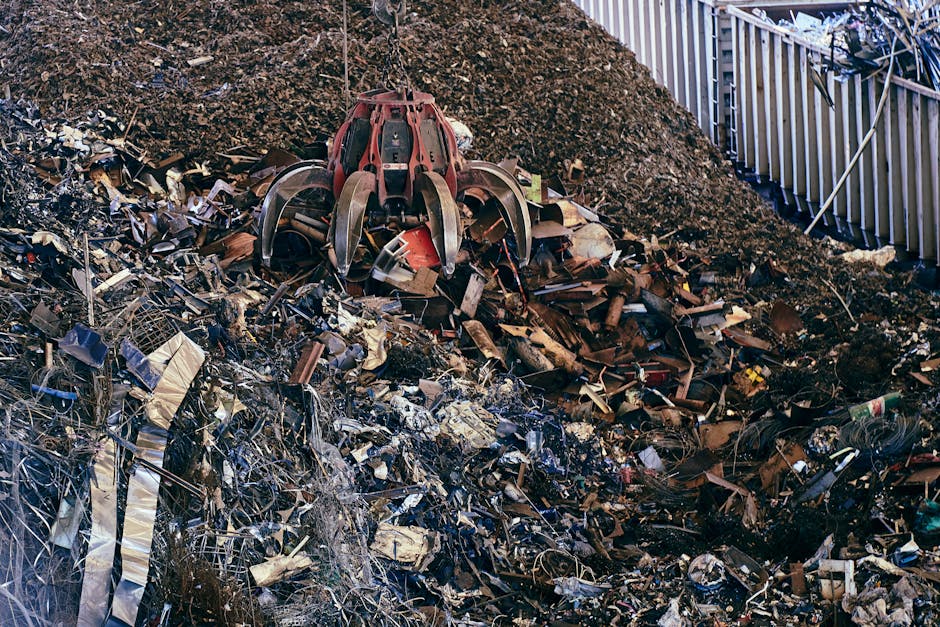

Navigating the landscape of greenacre scrap metal requires a deep understanding of how global commodities markets intersect with local industrial operations. Whether you are a tradesperson, a demolition contractor, or a household resident, the ability to identify, sort, and trade scrap effectively is a vital skill that pays dividends. As the demand for sustainable manufacturing grows, the role of local facilities becomes increasingly central to the Australian circular economy. This Comprehensive Guide to Scrap Metal Greenacre Recycling provides the technical foundation needed to turn waste into a high-value asset stream while ensuring compliance with environmental standards.
Understanding Metal Grades and Classification
The first step in professional scrap management is the precise identification of metal grades. Scrap is primarily divided into two categories: ferrous and non-ferrous. Ferrous metals, such as iron and steel, contain carbon and are magnetic. These are the workhorses of the construction industry, commonly found in structural beams, reinforcing bars, and discarded machinery. Non-ferrous metals, including copper, aluminium, brass, and lead, are highly prized for their corrosion resistance and electrical conductivity. These materials do not contain iron and are non-magnetic, making them significantly more valuable per kilogram at any reputable metal scrap yard near me.
Within these categories, sub-grades dictate the final payout. For instance, ‘Bright and Shiny’ copper wire commands a premium over ‘Burnt’ or ‘Insulated’ copper because it requires less refining. Similarly, clean aluminium extrusions are valued higher than contaminated ‘Cast’ aluminium. Understanding these nuances allows you to maximize your returns by keeping materials separate and free from contaminants like plastic, rubber, or wood. When you present sorted material to a professional yard, you reduce the labour cost for the processor, which is often reflected in the premium rates offered to the supplier.
The Mechanics of Professional Metal Recycling
The recycling process is a sophisticated industrial operation that transforms raw scrap into high-purity feedstock for steel mills and smelters. Upon arrival at a facility, scrap is weighed on certified scales to ensure transparency. This is where you should always cross-reference current Scrap Metal Prices to ensure you are receiving a fair market valuation for your inventory. Once weighed, the material undergoes a rigorous sorting process. Advanced facilities use X-ray fluorescence (XRF) analyzers to determine the exact elemental composition of alloys, ensuring that high-grade materials are not downgraded by impurities.
After sorting, the material is processed. Ferrous metals are often shredded to remove non-metallic attachments, while non-ferrous metals may be baled, sheared, or granulated. The resulting product is then shipped to domestic or international smelters. By utilizing services like Crg Scrap Metal, you tap into a supply chain that prioritizes efficiency and environmental compliance. This systematic approach is not just about clearing space; it is about keeping valuable resources within the production cycle, thereby reducing the need for destructive mining operations.
Environmental Benefits and Economic Impact
The environmental case for greenacre scrap metal recycling is undeniable. Producing new steel from scrap uses approximately 75% less energy than producing it from virgin iron ore. For aluminium, the energy savings are even more dramatic, reaching up to 95%. Beyond energy, recycling significantly reduces greenhouse gas emissions and prevents toxic heavy metals from leaching into the soil in landfills. When you choose to recycle, you are actively participating in a global effort to preserve natural resources for future generations.
Economically, the industry acts as a barometer for the broader economy. High demand for scrap metal typically signals a robust construction and manufacturing sector. Conversely, fluctuations in commodity prices often reflect changes in global manufacturing output. By staying informed through resources like Scrap Trade, you can time your sales to align with peak market conditions. This is a business-minded approach to waste management that treats scrap as a secondary raw material rather than a nuisance.
Optimizing Your Scrap Collection Strategy
To truly maximize the value of your scrap, you must adopt a strategic collection process. Start by designating separate bins for different metal types on your job site or in your workshop. Cross-contamination is the biggest killer of value in the scrap industry. If you mix low-value steel with high-value copper, you may be paid at the lower rate for the entire lot. Invest in basic tools like a magnet to test for ferrous content and a wire stripper to isolate copper from plastic insulation. These small investments in time and equipment pay for themselves within a few loads.
Furthermore, build a relationship with your local yard. Consistent suppliers who provide clean, sorted loads are often given priority service and access to better pricing tiers. If you are dealing with large volumes from demolition or industrial decommissioning, consult with experts at Scrap Trade Australia to discuss logistics, such as skip bin placement and scheduled pickups. Moving large quantities efficiently is just as important as the purity of the metal itself.
Navigating Market Volatility and Trends
The greenacre scrap metal market is dynamic and influenced by factors ranging from the price of oil to geopolitical stability in major exporting nations. Understanding these trends is essential for anyone looking to turn a profit. For example, when the construction industry in China slows down, global demand for steel scrap often dips, leading to lower prices. Conversely, a surge in electric vehicle production drives up demand for copper and aluminium, pushing prices higher. By monitoring these macro trends, you can make informed decisions about when to hold your stock and when to sell.
Always verify the legitimacy of the yard you are working with. A reputable facility will be transparent about their grading process, offer clear documentation for every transaction, and adhere to all local environmental regulations. Avoid ‘fly-by-night’ operators who do not provide scale tickets or who operate without proper licensing. Professionalism in the scrap industry is a two-way street; by providing clean, sorted, and well-documented material, you encourage higher standards across the entire supply chain.
Safety and Compliance in the Yard
Safety is the paramount concern in any scrap operation. Handling heavy metals, sharp edges, and industrial machinery carries inherent risks. Always wear appropriate personal protective equipment (PPE), including heavy-duty gloves, steel-toed boots, and high-visibility clothing. When transporting scrap, ensure your load is properly secured and does not exceed the weight capacity of your vehicle. Compliance with local traffic and transport regulations is non-negotiable.
Additionally, be aware of environmental regulations regarding hazardous materials. Some scrap, such as lead-acid batteries, old transformers (which may contain PCBs), or pressurized gas cylinders, requires special handling. Never attempt to cut or dismantle these items yourself. A professional recycling facility will have the equipment and expertise to handle these hazardous materials safely. By following these guidelines, you protect yourself, your workers, and the environment, ensuring that your scrap metal recycling activities remain profitable and sustainable for years to come.
Related: Metal Scrap Yard Near Me
Related: Comprehensive Guide to Scrap Metal Greenacre Recycling
Frequently Asked Questions
What is the difference between ferrous and non-ferrous scrap?
Ferrous metals contain iron and are magnetic, such as steel and iron, while non-ferrous metals do not contain iron and are generally more valuable, including copper, aluminium, and brass.
How can I get the best price for my scrap metal?
You can maximize your returns by thoroughly sorting your scrap into specific categories, removing all non-metallic contaminants like plastic or wood, and staying updated on current market price trends.
Why is it important to keep scrap metal clean?
Clean, sorted scrap is significantly more valuable because it requires less processing and refining by the recycling facility, allowing them to offer higher payout rates to the supplier.
Are there any items that cannot be recycled at a standard scrap yard?
Yes, items like hazardous waste, sealed gas cylinders, or materials containing asbestos or PCBs require specialized handling and should not be brought into standard scrap facilities without prior consultation.