
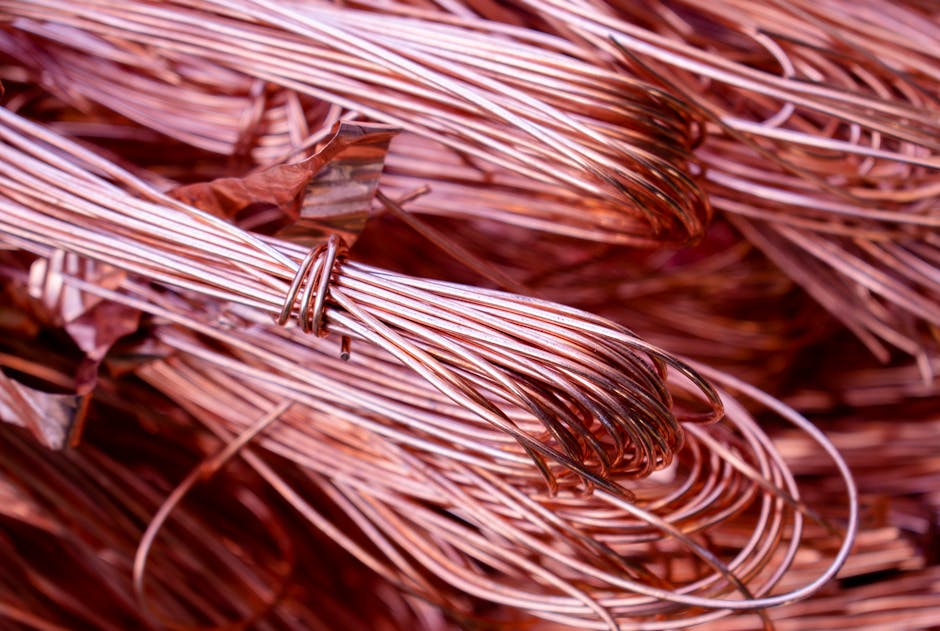

Understanding the current scrap copper wire price is essential for any tradesperson, demolition contractor, or scrap collector looking to maximize profit in the Australian recycling sector. Copper remains one of the most valuable non-ferrous metals globally, and its price is inherently linked to industrial demand, geopolitical stability, and the transition toward renewable energy infrastructure. Because copper is infinitely recyclable without losing its physical properties, the market for high-grade scrap is exceptionally robust. Whether you are dealing with heavy-duty industrial cabling or household electrical remnants, knowing how to categorize your material is the first step toward securing the best financial return. For those looking to optimize their logistics, our platform at Scrap Trade provides the tools needed to navigate these volatile market conditions effectively.
Understanding How Market Forces Dictate Scrap Copper Wire Price
The scrap copper wire price is not a static figure; it is a dynamic value derived primarily from the London Metal Exchange (LME). When global demand for copper rises—driven by sectors like electric vehicle manufacturing, telecommunications, and building construction—scrap prices follow suit. However, the price you receive at a local yard is a ‘net’ price, which accounts for the yard’s processing costs, transport logistics, and the necessary profit margin. Understanding the Copper Wire Scrap Price: A Comprehensive Guide to Market Values is vital for anyone serious about the trade. Factors such as the strength of the Australian Dollar (AUD) against the US Dollar (USD) play a massive role, as copper is traded globally in USD. When the AUD is weak, imported copper becomes more expensive, often leading to higher local scrap prices. Conversely, local supply chain disruptions or global economic downturns can compress margins. To stay ahead, professional recyclers monitor metal prices today to anticipate shifts before they hit the retail yard level.
Grading Copper: From Bare Bright to Insulated Cable
To secure the highest payout, you must accurately grade your material. Scrap yards categorize copper based on cleanliness, oxidation levels, and the presence of attachments like plastic insulation or steel shielding. Bare Bright Copper is the gold standard; it consists of unalloyed, uncoated, and unpainted copper wire, typically 16 gauge or thicker, free of oxidation or contaminants. This material commands the highest price per kg because it requires minimal processing by the smelter. Number 2 Copper, by contrast, includes wire that has been slightly oxidized, coated, or contains minor impurities like solder or paint. It is still highly valuable but requires more intensive refining. When dealing with Insulated Copper Wire Scrap Price Per Kg Recovery Rates, you must understand that the weight of the insulation significantly reduces the overall value of the load. Stripping wire can be profitable if you have the right tools, but for many, selling it as-is to a specialized facility is more time-efficient. Always consult with experts at Scrap Trade Australia to ensure your grading matches the current industry standards.
The Economics of Cable Scrap and Electronic Waste
Cable scrap represents a significant portion of the recycling market, yet it is often misunderstood. Modern cables are complex, often containing a mix of copper, aluminum, and various plastics like PVC or polyethylene. The recovery rate of these materials is the primary driver of the value. For those managing large quantities of industrial waste, understanding the Cable Wire Scrap Price Copper Bearing Electronic Cable 2026 projections is crucial for long-term planning. High-voltage power cables contain significant copper volume, while data cables or low-voltage wiring may contain more plastic than metal, making them less profitable per kilogram. If you are struggling to find a reliable buyer, search for Scrap Copper Near Me Where To Sell Copper Scrap For The Best Price to connect with reputable local yards that utilize modern granulating technology. Granulation allows recyclers to separate the copper from the plastic insulation mechanically, which is far more efficient and environmentally friendly than burning, which is illegal and hazardous.
Environmental Benefits of Copper Recycling
Recycling copper is not just a financial decision; it is an environmental imperative. Mining virgin copper is an energy-intensive process that involves massive earth displacement, chemical leaching, and significant carbon emissions. In contrast, recycling copper uses approximately 85% less energy than producing copper from raw ore. By keeping copper in the circular economy, we reduce the demand for new mining operations and preserve natural landscapes. Furthermore, copper is 100% recyclable, meaning a piece of copper wire used today could be melted down and repurposed into a new electrical component, a plumbing fitting, or a renewable energy turbine component indefinitely. This efficiency makes copper one of the most sustainable materials in the global infrastructure supply chain. As Australia moves toward a net-zero future, the role of the scrap recycler becomes even more critical in providing the raw materials needed for the green energy transition.
Practical Tips for Maximizing Your Scrap Returns
Success in the scrap business requires organization and a strategic approach. First, never mix your grades. If you throw a handful of dirty, insulated wire into a bin of Bare Bright, the yard will likely downgrade the entire batch to the lower price bracket. Keep your materials segregated in clearly marked containers. Second, invest in a stripping machine if you generate a high volume of insulated wire. While labor-intensive, the price difference between insulated and stripped copper is often substantial enough to pay for the machine within a few months of active operation. Third, build a relationship with a specific yard. Consistency matters; when a yard knows they can rely on you for clean, well-sorted material, they are more likely to offer you premium pricing or volume incentives. Finally, track the market. Use mobile apps or industry newsletters to watch the LME trends. If you see a major price spike, it might be the right time to clear out your warehouse. If the market is in a slump, hold your stock if your storage space allows, waiting for a rebound in metal prices today.
The Future of the Australian Scrap Metal Industry
The Australian scrap industry is undergoing a digital transformation. Traceability, transparency, and efficiency are becoming the new benchmarks for success. As regulations around waste management tighten, the industry is moving away from informal, cash-in-hand operations toward professionalized, data-driven recycling centers. This shift is beneficial for the seller, as it leads to more competitive pricing and better service. We are seeing increased investment in automated sorting technologies, such as X-ray fluorescence (XRF) analyzers, which allow yards to grade scrap with near-perfect accuracy in seconds. This technology removes the guesswork from the transaction, ensuring that you are paid exactly what your material is worth based on its chemical composition. For the individual contractor or small business owner, this means that the scrap copper wire price you receive is becoming more standardized and fair. By staying informed and utilizing professional resources, you can ensure that you are always getting the best possible return on your scrap metal assets.
Case Study: Optimizing Industrial Site Cleanouts
Consider a recent scenario involving a commercial demolition project in Sydney. The contractors were initially planning to discard all electrical cabling as general construction waste due to the time required to sort it. After consulting with a professional recycling partner, they implemented a simple on-site sorting system. By separating high-grade copper piping and heavy-duty power cables from the general debris, they were able to reclaim over two tonnes of copper. This not only diverted a significant amount of waste from the landfill but also generated a five-figure revenue stream that helped offset the costs of the entire demolition project. This case highlights the importance of viewing scrap not as a waste product, but as a secondary raw material. Whether it is copper pipe from a plumbing renovation or complex electronic cable from an office fit-out, the value is there if you have the strategy to capture it. The key takeaway is simple: never treat scrap as trash. With the right approach to collection and sorting, your scrap copper wire price yields can turn a project from a loss into a profit.
Frequently Asked Questions
What is the most effective way to strip insulated copper wire?
For small quantities, a handheld wire stripper or a sharp utility knife works, but for professional or high-volume needs, an electric wire stripping machine is the most efficient. These machines use rollers and blades to slice the insulation, allowing the copper to be pulled out cleanly without damaging the metal.
Does the price of copper change daily?
Yes, the scrap copper wire price is linked to the London Metal Exchange (LME) and fluctuates daily based on global supply, demand, and currency exchange rates. Most scrap yards adjust their buy-prices to reflect these daily shifts in the global market.
Why is ‘Bare Bright’ copper worth more than other grades?
Bare Bright is considered the purest form of scrap copper because it is unalloyed, uncoated, and free of any oxidation or insulation. It requires the least amount of processing by refineries, making it the most cost-effective material for them to turn back into new copper products.
Are there environmental regulations regarding burning wire for copper?
Yes, burning insulated wire to remove plastic is illegal in most Australian states due to the release of toxic dioxins and heavy metals into the air. Always use mechanical stripping or professional granulation services to ensure compliance with environmental health and safety laws.