
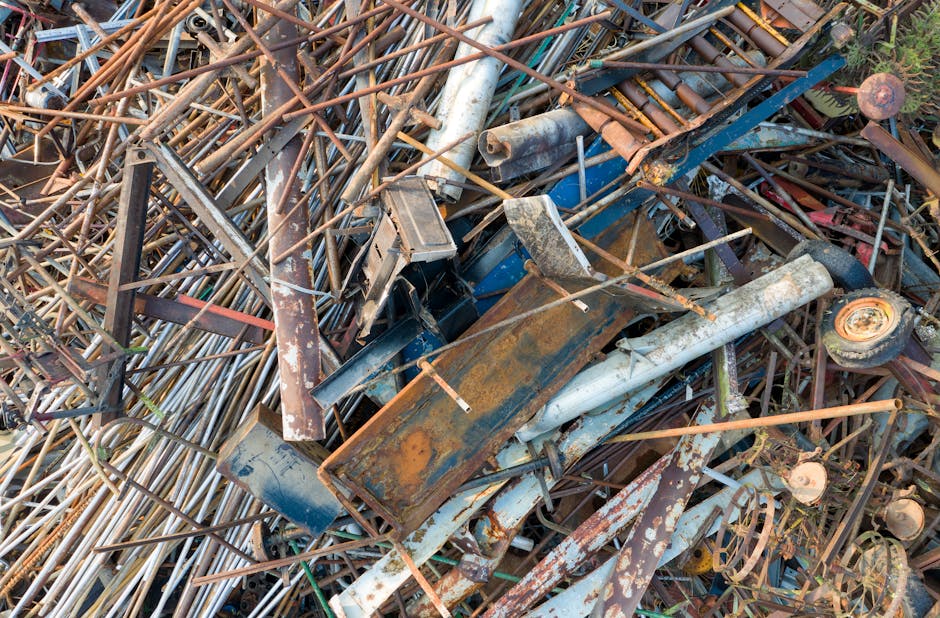

Understanding where to sell metal scrap effectively is the difference between a minor payout and a significant revenue stream. Whether you are a tradesperson clearing a worksite or a homeowner cleaning out a shed, the Australian scrap market rewards those who treat their waste as a secondary raw material rather than trash. When you learn How to Sell Scrap Metal: Best Price & Where to Sell, you gain access to a circular economy that values high-quality, sorted metals. If you are looking to Sell Scrap Metal Near Me In 2026, you must first recognize that scrap yards operate on global commodity cycles. By optimizing your collection process, you position yourself to capture the highest margins available in the current market.
Understanding Metal Grades and Market Value
The foundation of maximizing your profit lies in correctly identifying and grading your scrap. Scrap dealers classify metals into two primary categories: Ferrous and Non-Ferrous. Ferrous metals, such as iron and steel, contain iron and are magnetic. While these are abundant, they generally command lower prices per kilogram than non-ferrous metals. Non-ferrous metals—including copper, aluminium, brass, lead, and stainless steel—do not contain iron and are highly prized for their infinite recyclability without loss of properties. To secure the Scrap Metal Prices you deserve, you must separate these grades rigorously. A batch of high-grade copper wire contaminated with plastic insulation or steel screws will be downgraded to a lower price tier by any professional scrap dealer. Preparation is the single most effective way to increase your bottom line. Always use a magnet to test your piles; if it sticks, it is ferrous. If it does not, investigate further to see if you have valuable non-ferrous material. Cleanliness is equally critical. Removing non-metallic attachments like wood, glass, or heavy paint allows yards to process your material faster, which often leads to premium pricing for ‘clean’ scrap.
How to Prepare Your Scrap for Maximum Profit
Many sellers lose money by bringing mixed, dirty, or unorganized loads to the yard. When you decide where to sell metal scrap, choose a facility that rewards clean, sorted loads. Start by stripping insulation from high-voltage copper cables—clean, bright copper fetches significantly more than insulated wire. Next, categorize your aluminium by type: extrusion, cast, or sheet. Mixing these alloys forces the dealer to process them as ‘mixed’ aluminium, which is priced at the lowest common denominator. For those looking to Sell Scrap, invest in a reliable set of digital scales. Knowing the exact weight of your load before you arrive prevents discrepancies and builds trust with your local yard. Practical tip: keep a record of your scrap sales. By tracking your weight and the price per kilo over time, you can identify trends in the market and wait for spikes in demand before offloading large quantities of non-ferrous materials. Furthermore, ensure your scrap is free of hazardous substances. Items like sealed tanks, gas bottles, or items containing asbestos will be rejected by any reputable yard and may even result in fines. Safety is paramount; always wear gloves and protective eyewear when handling jagged metal edges.
Navigating the Australian Scrap Metal Industry
The Australian industry is heavily regulated to prevent the trade of stolen goods and to ensure environmental safety. When researching where to sell metal scrap, you will encounter various types of facilities, from large-scale industrial processing plants to smaller, community-focused scrap yards. It is essential to choose a licensed operator that complies with state-based environmental protection authority (EPA) guidelines. You can find reliable partners through professional networks like Scraptrade.com.au, which connects sellers with vetted, legitimate buyers. When you arrive at the yard, expect to present valid government-issued identification. Under the ‘Cash for Scrap’ legislation in many Australian states, cash payments are often restricted or prohibited to prevent the sale of stolen property. Be prepared to provide your bank details for an electronic funds transfer (EFT). This is a standard security measure designed to create a transparent audit trail for every transaction. Do not be deterred by these requirements; they are a sign that you are dealing with a professional, law-abiding business that will provide fair, market-based compensation for your materials.
The Environmental and Economic Impact of Recycling
Recycling metal is one of the most effective ways to reduce the environmental footprint of industrial production. Producing virgin aluminium from bauxite ore, for instance, requires massive amounts of electricity and results in significant carbon emissions. Recycling existing aluminium consumes only about 5% of the energy required for primary production. By choosing to sell your scrap rather than sending it to a landfill, you are directly contributing to the conservation of finite natural resources. This circular process is the backbone of sustainable manufacturing. Furthermore, the economic benefits are substantial. The scrap industry provides thousands of jobs across Australia, from collection and logistics to high-tech sorting and smelting. When you sell your scrap, you are feeding a local supply chain that reduces the need for expensive, environmentally damaging mining operations. This is why the industry is so vital; it turns waste into wealth while protecting the planet. Every kilogram of metal you divert from a landfill is a win for the environment and a step toward a more sustainable future for the Australian economy.
Advanced Strategies for High-Volume Sellers
If you are a contractor or a business owner generating consistent scrap, your strategy should shift from ‘occasional seller’ to ‘strategic partner.’ High-volume sellers should negotiate long-term contracts with scrap yards. These contracts can include scheduled pickups, the provision of skip bins on-site, and preferential pricing tiers based on volume. By streamlining your waste management, you reduce your own operational costs while ensuring a steady revenue stream. For instance, if you are a demolition contractor, sorting on-site is far more efficient than sorting at the yard. Use colour-coded bins for different metal grades to ensure your team separates materials at the point of origin. This proactive approach ensures you always receive the top-tier ‘best price’ for every load. Additionally, keep an eye on international commodity markets, particularly the London Metal Exchange (LME). While local prices fluctuate based on domestic demand, they generally track with global LME trends. Understanding these cycles allows you to time your sales for maximum gain. If you have the storage capacity, holding onto non-ferrous scrap during a market dip and selling when prices rebound can significantly increase your annual return. This level of professional management transforms scrap metal from a nuisance into a high-value asset class.
Ensuring Compliance and Avoiding Pitfalls
Compliance is the final piece of the puzzle. The Australian scrap industry operates under strict oversight to mitigate environmental risks and prevent the illicit trade of metals. When selecting a yard, verify their credentials. A legitimate operator will have clear signage, professional weighing equipment, and a transparent process for grading materials. Avoid any operator that offers ‘under the table’ deals or refuses to provide documentation for your transaction. Always ask for a weighbridge ticket or a detailed receipt that breaks down the weight and price for each category of metal sold. This documentation is not only important for your own records but is often required for tax purposes if you are operating as a business. Furthermore, be aware of ‘contaminants.’ A load of copper wire that is heavily burned or coated in tar will be penalized, as it creates toxic fumes during the smelting process. Modern recycling facilities use advanced technology like X-ray fluorescence (XRF) analyzers to determine the exact alloy composition of your scrap. Trying to pass off lower-grade materials as higher-grade will be detected instantly. Honesty and transparency in your dealings will build a reputation with the yard manager, which can lead to better service and more competitive pricing in the long run. By following these best practices, you ensure that your participation in the scrap market is profitable, legal, and environmentally responsible.
Frequently Asked Questions
Do I need identification to sell scrap metal in Australia?
Yes, all legitimate scrap metal dealers are required by law to record the identity of the seller. You must provide a valid government-issued photo ID, such as a driver’s license or passport, to complete any transaction.
Can I get cash for my scrap metal?
Many Australian states have introduced ‘cashless’ scrap laws to combat metal theft. Most reputable yards will now pay you via electronic funds transfer (EFT) to your bank account to ensure a legal audit trail.
What is the most valuable metal to collect?
Copper is generally the most valuable non-ferrous metal, particularly clean, bright copper wire. Other high-value materials include brass, stainless steel, and aluminium extrusions.
How can I tell if my metal is ferrous or non-ferrous?
The simplest method is to use a magnet. If the magnet sticks to the metal, it is a ferrous metal like iron or steel; if it does not stick, it is likely a non-ferrous metal, which typically holds higher market value.