
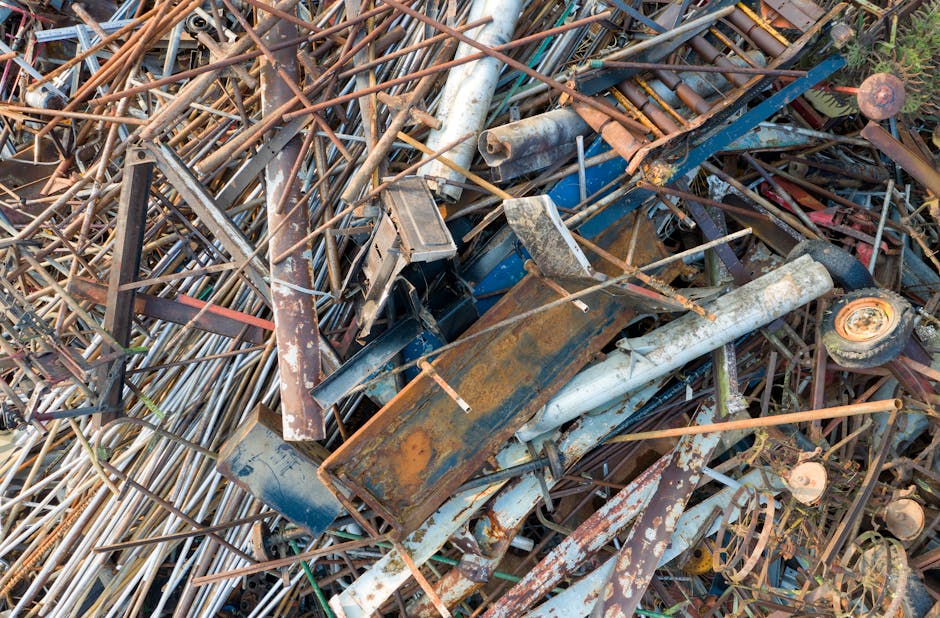

When searching for a waste scrap shop near me, you are essentially looking for a partner in the circular economy who can provide fair market value for your materials while ensuring responsible processing. Whether you are a tradesperson, a construction firm, or a household decluttering, understanding the nuances of metal grades and market fluctuations is the key to turning waste into revenue. In Australia, the recycling landscape is highly regulated, and choosing a reputable facility ensures that your scrap is diverted from landfills and returned to the manufacturing supply chain. If you are looking for a professional Scrap Shop Near Me: The Ultimate Guide to Metal Recycling, this guide serves as your comprehensive resource for navigating the industry.
Understanding Metal Grades: Ferrous vs. Non-Ferrous
The foundation of scrap trading lies in the distinction between ferrous and non-ferrous metals. Ferrous metals, such as iron and steel, contain carbon and are magnetic. They are the most recycled materials on the planet, often found in structural beams, automotive parts, and household appliances. Because of their abundance, their price per tonne is typically lower than non-ferrous metals. To get the best price at a waste scrap shop near me, you must ensure your ferrous scrap is clean, meaning it is free from non-metallic attachments like plastic, wood, or concrete.
Non-ferrous metals, including copper, aluminium, brass, lead, and stainless steel, do not contain iron and are non-magnetic. These materials are highly prized by recyclers because they do not lose their chemical properties during the recycling process. Copper, in particular, is a high-value commodity. When preparing your load, separate your bright shiny copper from burnt copper or insulated wiring. Most local scrap yards offer significantly higher rates for sorted, clean materials compared to mixed loads. If you are dealing with large volumes of metal from construction sites, refer to our guide on How To Monetize Renovation Waste Scrap to maximize your margins.
The Lifecycle of Metal Recycling
The recycling process is a sophisticated industrial operation designed to minimize energy consumption. Once you deliver your materials to a local recycler, the journey begins with sorting and grading. Advanced facilities use X-ray fluorescence (XRF) analyzers to determine the exact chemical composition of alloys. This technology ensures that high-grade metals are not contaminated by lower-grade impurities, which is critical for maintaining the integrity of the recycled product.
After sorting, the metal is processed through shredders or hydraulic shears to reduce volume. This makes the material easier to transport and feed into furnaces. For electronics, the process involves specialized recovery techniques; you can learn more about this in our E Waste Scrap Trading Guide. Once shredded, the metal is melted down into ingots or billets, which are then sold back to manufacturers to create new products. By participating in this loop, you are directly reducing the need for virgin ore mining, which is an energy-intensive and environmentally destructive process. For businesses looking to scale their operations, utilizing a B2B Scrap Trading Platform can provide access to wider markets and more stable pricing structures.
Environmental and Economic Benefits
The environmental impact of recycling metal is profound. Recycling aluminium, for instance, requires 95% less energy than producing it from bauxite ore. This energy saving translates to a massive reduction in greenhouse gas emissions. Furthermore, keeping metal out of landfills prevents heavy metals from leaching into the soil and groundwater. When you choose a reputable local recycler, you are supporting a sustainable infrastructure that benefits your local community.
Economically, scrap trading is a vital component of the Australian economy. It provides a secondary supply of raw materials that helps stabilize manufacturing costs. Whether you are an individual or a business, keeping track of global commodity prices is essential. You can find detailed market insights and industry news by visiting Scrap Trade Australia for the latest updates on regional pricing trends. Many facilities also offer local pickup services for commercial clients, which can significantly reduce your logistics overhead if you generate large quantities of waste on a recurring basis.
Optimizing Your Scrap Management Strategy
Success in scrap trading requires a strategic approach to collection and storage. If you are a contractor, implement a color-coded bin system on-site to separate metals at the source. This prevents cross-contamination and saves hours of labor during the sorting process. A nearby recycler will often provide dedicated bins for different metal grades, which simplifies the process for your team. Always keep your yard clean and organized to ensure safety and efficiency.
Build a relationship with your local scrap yard manager. Regular traders often receive better pricing and priority service. Ask for a tour of their facility to understand their specific requirements for material preparation. Some yards may require specific sizes for heavy steel, while others might have specific protocols for hazardous materials like lead-acid batteries. By aligning your internal processes with the requirements of your chosen recycler, you ensure a smooth transaction every time you visit.
Navigating Market Volatility
The scrap metal market is sensitive to global economic conditions, including demand from major manufacturing hubs like China and India. Prices can fluctuate daily based on supply chain disruptions, energy costs, and currency exchange rates. To protect your revenue, consider setting up price alerts through your chosen B2B Scrap Trading Platform or subscribing to industry newsletters. Being aware of these trends allows you to time your sales when the market is peaking.
Do not be afraid to shop around. While loyalty is valuable, you should periodically compare rates between different local recyclers to ensure you are receiving a fair market price. Check if the yard is a member of any industry associations, as this often indicates a commitment to ethical standards and transparent weighing practices. Always ensure that the facility is licensed to handle the specific types of waste you are providing, especially if you are dealing with complex items like industrial machinery or electronic waste.
The Future of Scrap Recycling in Australia
The Australian scrap industry is moving toward greater automation and transparency. As ESG (Environmental, Social, and Governance) mandates become more stringent, companies are under pressure to prove that their waste is being recycled responsibly. This shift is driving demand for digital tracking and reporting, which is where modern platforms are revolutionizing the industry. By digitizing the supply chain, recyclers can provide better data to their clients, helping them meet their sustainability goals.
Furthermore, the rise of circular economy initiatives is encouraging more innovation in the recovery of rare earth metals and precious materials from complex waste streams. As technology evolves, the role of the waste scrap shop near me will expand from simple collection to sophisticated resource recovery. Staying informed and adaptable will ensure that you remain competitive and profitable in this shifting landscape. Whether you are a small business or a large-scale enterprise, the tools and knowledge available today make it easier than ever to turn your waste into a valuable asset.
Related: How To Monetize Renovation Waste Scrap
Frequently Asked Questions
How do I find the best waste scrap shop near me?
Search for local scrap yards with high ratings on Google Maps and check their websites for a list of accepted materials. Look for facilities that offer transparent, digital weighing and have clear, published pricing guidelines for different metal grades.
Does sorting my scrap really increase the price I get?
Yes, sorting is the most effective way to maximize your return. Mixing ferrous and non-ferrous metals usually results in the entire load being paid at the lowest common denominator price, so separating copper, aluminium, and steel will significantly boost your payout.
What should I do if I have large volumes of industrial waste?
Contact local recyclers to inquire about their B2B services, which often include on-site bin placement and regular local pickup schedules. Using a professional scrap trading platform can also help you manage large volumes and secure better bulk pricing.
Is it safe to recycle all types of metal scrap?
Most metals are safe to recycle, but you must avoid items containing hazardous materials like asbestos, radioactive components, or pressurized gas cylinders. Always consult with your local scrap yard before bringing in unusual or industrial-grade equipment to ensure compliance with safety regulations.