
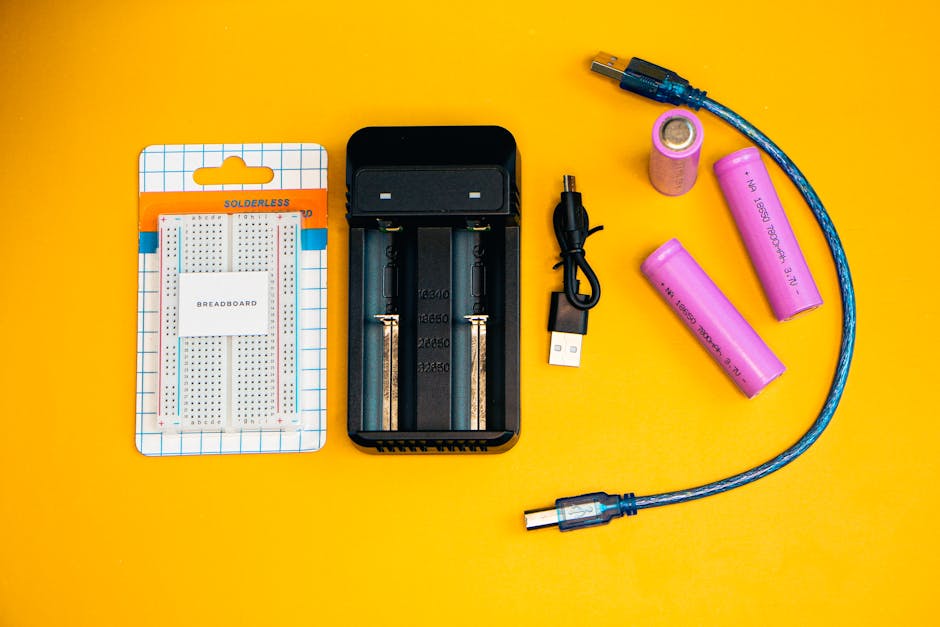

When you look to Buy Scrap Lithium-Ion Batteries in Bulk – Best Price & Pickup Guide, you are entering a complex, high-stakes sector of the circular economy. Lithium-ion (Li-ion) batteries are the lifeblood of the electric vehicle (EV) revolution and renewable energy storage, making their recovery an essential industrial process. Unlike traditional lead-acid batteries, which have a well-established recycling chain, Li-ion batteries present unique handling, storage, and valuation challenges. To navigate this market successfully, you must understand the interplay between battery chemistry, global commodity markets, and Australian environmental regulations.
Understanding the Market for Lithium-Ion Batteries
The market for Li-ion batteries is driven by the demand for critical minerals: lithium, cobalt, nickel, manganese, and graphite. When you decide to Buy Scrap Lithium-Ion Batteries in Bulk – Best Price & Pickup Guide, you are essentially investing in a refined ore body that has already been processed. The current market value of these batteries is not static; it fluctuates based on the London Metal Exchange (LME) pricing for these core components. Unlike copper or aluminum, where the scrap value is straightforward, Li-ion value is determined by the “black mass” yield—the concentrated powder recovered after shredding and processing.
For those new to this, it is essential to consult the A1 Scrap Metal Complete Guide To Scrap Metal Recycling And Selling For The Best Price to understand the broader context of metal recovery. The price per tonne for Li-ion scrap is significantly influenced by the battery’s State of Health (SoH) and its chemistry (e.g., LFP vs. NMC). NMC (Nickel Manganese Cobalt) batteries generally command a higher price per kg due to the intrinsic value of the cobalt and nickel, whereas LFP (Lithium Iron Phosphate) batteries have lower material value but are increasingly common in stationary storage.
How Prices Are Set and Factors Affecting Cost
The pricing mechanism for bulk scrap batteries is a specialized field. Buyers and sellers typically negotiate based on the following factors:
- Chemistry Composition: As noted, NMC batteries are more valuable than LFP. You must request a technical specification sheet for any bulk lot you intend to purchase.
- State of Charge (SoC): Safety regulations often dictate that batteries must be discharged to a specific level (typically below 30%) before transport. High SoC batteries increase fire risk and insurance premiums, which lowers the net value.
- Logistics and Transport: Because Li-ion batteries are classified as Class 9 Dangerous Goods, transport costs are substantial. When calculating your price per tonne, always factor in the specialized freight costs required to move these items across Australia.
- Purity and Contamination: Bulk lots containing plastic casings, wiring, or non-battery debris will be discounted. The cleaner the batch, the better the margin.
When searching for the best price for scrap metal near me, remember that Li-ion batteries are often traded through specialized channels rather than standard scrap yards. You should always verify the credentials of the entity you are dealing with. For those looking for reliable sourcing, consider Where To Buy Bulk Scrap Metal From Verified Sellers to ensure you aren’t dealing with hazardous, non-compliant stock.
Logistics and Safety: The Pickup and Transport Process
Safety is the paramount concern when handling bulk lithium-ion batteries. Thermal runaway is a real risk if batteries are punctured, short-circuited, or exposed to excessive heat. When you Buy Scrap Lithium-Ion Batteries in Bulk – Best Price & Pickup Guide, you must ensure that your logistics provider is certified to carry Dangerous Goods.
The process involves:
- Inspection: A physical audit of the batteries to check for leaks, swelling, or physical damage.
- Packaging: Using UN-approved containers or specialized thermal-resistant bins to prevent fire propagation.
- Documentation: Ensuring all transport manifests comply with the Australian Dangerous Goods Code.
- Tracking: Maintaining a chain of custody to satisfy environmental regulations regarding hazardous waste disposal.
If you are looking to scale your operations, you can find further resources on Where To Buy Bulk Scrap Metal Directly From Verified Sellers. This is critical for maintaining a steady supply chain of high-quality feedstock.
The Role of the Scrap Buyer in the Circular Economy
A professional scrap buyer acts as the bridge between end-of-life battery generators (such as EV manufacturers, solar installers, and electronics recyclers) and the hydrometallurgical processing facilities. In Australia, the industry is rapidly expanding, with new facilities coming online to process black mass locally. As a buyer, your role is to aggregate volume. The economy of scale is vital here; processing small quantities is rarely profitable due to the high overhead of safety compliance. By consolidating bulk lots, you achieve a better market rate, which allows you to offer more competitive pricing to your suppliers.
For those interested in the broader battery market, including older technologies, check out the current scrap car batteries price per kg to compare the logistics of lead-acid versus lithium-ion. While lead-acid is easier to transport, the future growth is undeniably in Li-ion.
Navigating Market Volatility and Metal Prices Today
Metal prices today are highly volatile. A sudden shift in EV production demand in China or a new mining discovery can send the market rate for cobalt or nickel plummeting or soaring. To mitigate risk, successful traders often use hedging strategies or short-term contracts that lock in pricing based on a percentage of the LME index at the time of delivery. Never commit to a long-term fixed price for bulk batteries without a mechanism to adjust for the underlying commodity value. If you want to stay updated on the general scrap market, visit Scrap Trade for industry insights. For specific Australian market data, check Scrap Trade Australia for localized updates.
The Future of Lithium-Ion Recycling in Australia
Australia is uniquely positioned to become a global leader in battery recycling. With a vast amount of renewable energy infrastructure being deployed, the secondary market for batteries will grow exponentially over the next decade. Buying in bulk now allows you to establish the infrastructure and relationships necessary to dominate this space. The goal is to move beyond simple collection and toward high-value material recovery. As the technology for “direct recycling”—where the cathode material is recovered without full chemical breakdown—matures, the value of your bulk inventory will only increase.
Technical Specifications and Quality Control
When you are preparing to purchase, you must have a clear understanding of the “State of Health” (SoH). A battery that has 80% capacity remaining is worth significantly more as a second-life storage unit than as scrap for material recovery. Always perform a capacity test on a representative sample of your bulk lot. If the batteries are completely dead, they are strictly for material recovery. If they retain charge, you may have a secondary revenue stream in the stationary energy storage market. This distinction is vital for maximizing your ROI.
Environmental Compliance and Reporting
In Australia, the environmental regulatory landscape is tightening. You are responsible for the waste you purchase. If you buy bulk batteries, you must ensure they are sent to a facility that is licensed to handle hazardous materials. Failure to do so can result in massive fines and permanent reputational damage. Always keep detailed records of every kilogram purchased, stored, and processed. This is not just good business; it is a legal requirement in most Australian states and territories.
Conclusion: Building a Sustainable Business
The lithium-ion battery market is not for the faint of heart. It requires a deep understanding of chemistry, logistics, and global finance. However, for those who take the time to master the process, it offers unparalleled growth potential. By focusing on safety, verified sourcing, and efficient logistics, you can build a robust business in one of the most important sectors of the modern economy. Remember to regularly check the current scrap prices and keep your network of buyers and sellers updated. Whether you are starting out or looking to scale, consistency and compliance will be your greatest assets.
Frequently Asked Questions
What is the most important factor when buying scrap lithium-ion batteries?
Safety and chemistry identification are the most critical factors. You must ensure the batteries are properly discharged and identified as NMC, LFP, or other chemistries to determine their true market value and handling requirements.
How do I determine the price per kg for bulk lithium-ion batteries?
Prices are determined by the ‘black mass’ yield, which is the concentration of valuable metals like cobalt, nickel, and lithium. You should negotiate based on a percentage of the current London Metal Exchange (LME) prices for these specific commodities.
Are there special transport requirements for bulk battery scrap?
Yes, lithium-ion batteries are classified as Class 9 Dangerous Goods. They must be transported by certified carriers using UN-approved packaging to prevent fire risks during transit.
Where can I find reliable sellers for bulk lithium-ion batteries?
Reliable sellers are typically found through industrial waste management companies, EV fleet operators, and large-scale renewable energy storage installers. Always verify their licensing and ability to provide a consistent supply chain.