
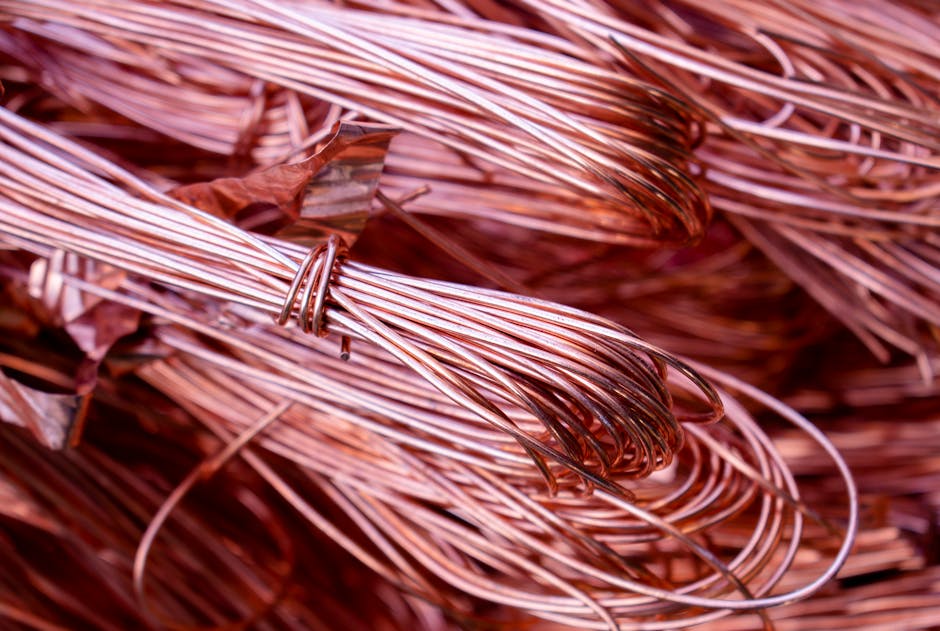

If you are searching for Copper Wire Scrap Buyers Near You – Get Best Millberry Prices, you have arrived at the definitive resource for navigating the Australian scrap metal market. Understanding the nuances of copper grades—from bare bright to insulated wire—is the single most effective way to ensure you are not leaving money on the table during your next yard visit.
Understanding Copper Grades and Market Value
The copper market is highly tiered, and knowing exactly what you are holding is crucial. In the industry, “Millberry” refers to high-grade, bare bright copper wire that is clean, unalloyed, and free of oxidation or insulation. It is the gold standard for recyclers because it can be melted down immediately without extensive processing. When you search for Copper Wire Scrap Buyers Near You – Get Best Millberry Prices, you are essentially looking for a facility that values this purity.
Beyond Millberry, you will encounter number 2 copper, which may have slight oxidation or minor impurities. Then there is insulated wire and cable scrap, which requires mechanical stripping to reach the copper core. If you are unsure about the classification of your haul, you can learn more about the process in our guide on We Buy Scrap Metal How To Sell Scrap Metal To Verified Buyers And Get The Best Prices. The value of your scrap is directly tethered to the London Metal Exchange (LME) prices, adjusted for local currency fluctuations and processing costs.
How Copper Prices Are Set in Australia
The copper price per kg you receive at the weighbridge is not arbitrary. It is a derivative of global commodity markets. Several factors influence the final payout:
- LME Spot Price: The global benchmark for copper trading.
- Currency Exchange: Since copper is traded in USD, the strength of the AUD significantly impacts your local return.
- Processing Costs: If your copper is heavily insulated, the buyer must account for the labor and machinery required to strip it.
- Volume: Commercial quantities often command a premium over “bucket-load” amounts.
For those tracking these fluctuations, staying informed about copper wire scrap prices is essential. You should also consult resources at Scrap Trade Australia to see how regional demand impacts local yard offers.
Maximizing Your Returns: Preparation Tips
Preparation is the difference between a standard payout and a top-tier return. If you have copper pipe, ensure it is free of solder, brass fittings, or plastic attachments. If you have electrical wire, decide whether it is worth your time to strip it yourself. Often, high-volume stripping machines can turn low-value insulated scrap into high-value clean copper, but only if the volume justifies the investment.
When you are ready to sell, use our guide on Scrap Metal Places Near Me How To Find Reliable Buyers And Get The Best Scrap Prices to identify yards that offer transparent weighing procedures. Always ask to see the scale and ensure it is certified by the National Measurement Institute (NMI).
The Importance of Choosing Verified Buyers
Not all scrap yards operate with the same level of integrity. When you are looking for Copper Wire Scrap Buyers Near You – Get Best Millberry Prices, you need to prioritize transparency. A verified buyer will provide a clear breakdown of your load, identifying the weight of each grade and applying the correct price per kilogram. You can find a list of reputable professionals by reading our article on Copper Buyers How To Find Reliable Buyers And Get The Best Price For Copper Scrap.
Furthermore, checking scrap copper wire prices regularly allows you to gauge whether a buyer’s offer is competitive. If a yard is offering significantly below the market average without a valid reason (such as high contamination levels), it is time to look elsewhere.
The Environmental Impact of Copper Recycling
Copper is one of the few materials on earth that can be recycled infinitely without losing its chemical or physical properties. By choosing to recycle your copper rather than sending it to a landfill, you are participating in a circular economy that reduces the demand for destructive open-pit mining. Every kilogram of recycled copper saves approximately 85% of the energy required to produce copper from virgin ore.
As an industry, we are moving toward more efficient collection methods. Whether you are a tradesperson with offcuts or a demolition contractor with tonnes of cable, your contribution to copper recycling is vital for Australia’s sustainability goals.
Common Pitfalls to Avoid
Avoid “dirty” copper loads. Mixing steel, plastic, or aluminum with your copper will result in your entire batch being downgraded to a lower price category. Always separate your materials before arriving at the yard. Additionally, be wary of yards that do not publish or provide clear pricing structures. A professional buyer will always be happy to discuss the current market rates with you.
The Future of the Copper Market
With the global transition toward renewable energy and electric vehicles, the demand for copper is projected to rise significantly over the next decade. Copper is essential for wind turbines, solar panels, and EV charging infrastructure. This long-term demand curve suggests that the market for scrap copper will remain robust, making it a reliable asset for those in the construction and demolition sectors.
Conclusion: Your Next Steps
Securing the best price for your copper is a combination of market awareness, proper material preparation, and choosing the right partner. By following the advice in this guide and utilizing the resources provided, you can ensure that you are getting maximum value for your scrap. Remember to stay updated on copper wire scrap prices and always verify your buyer’s reputation before handing over your load.
Whether you are a professional electrician or a weekend DIY enthusiast, the scrap market is accessible and rewarding if you approach it with the right knowledge. Start by sorting your materials, checking the daily rates, and visiting a verified buyer near you to turn your waste into profit.
The metal recycling industry is constantly evolving, with new technologies making it easier to process complex cables and mixed materials. By staying informed, you position yourself to benefit from these advancements. Keep your scrap clean, keep your records organized, and always aim for the highest grade possible to ensure your returns are as high as the current market allows.
If you have large volumes of scrap, consider building a long-term relationship with a local yard. Many buyers offer better rates and priority service to regular suppliers. This level of partnership can provide you with consistent income and peace of mind, knowing that your scrap is being handled by professionals who understand the value of your material.
We hope this guide has provided the clarity you need to navigate the world of copper recycling with confidence. From understanding the difference between Millberry and number 2 copper to finding the right buyer, you now have the tools to succeed. Happy scrapping!
Frequently Asked Questions
What is the difference between Millberry and number 2 copper?
Millberry is high-grade, bare bright copper wire that is clean and free of oxidation. Number 2 copper includes wire that has slight oxidation, is slightly coated, or has minor impurities, resulting in a lower price.
Should I strip my own insulated wire?
It depends on the volume and the type of wire. If you have a high volume of thick cable, using a wire stripping machine can significantly increase your profit, but for thin, low-yield wire, the labor cost may outweigh the gain.
How often do copper scrap prices change?
Copper prices fluctuate daily based on the London Metal Exchange (LME) and currency exchange rates. It is best to check current rates on the day you plan to sell.
How can I ensure I am getting the best deal at a scrap yard?
Always separate your metals by grade before arriving, ask to see the scale during the weighing process, and check the daily market rates beforehand to ensure the offer is fair.