
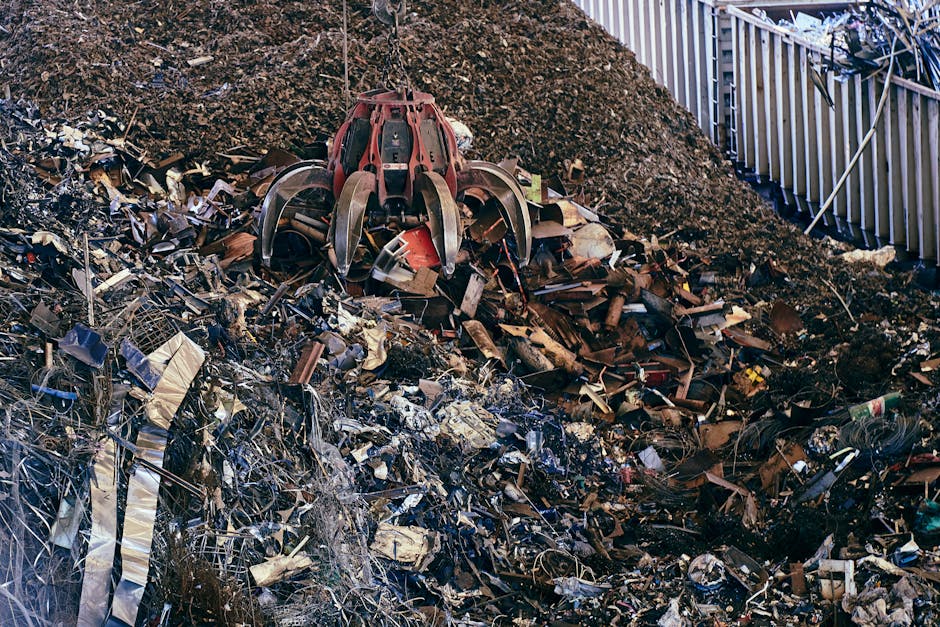

Navigating the scrap uae industry requires a deep understanding of global supply chains, local environmental regulations, and the technical specifications of various metal grades. As the United Arab Emirates continues to position itself as a global hub for logistics and sustainable industrial growth, the trade of recovered materials has become a cornerstone of the circular economy. Whether you are looking to Sell Scrap or source high-quality raw materials, understanding the nuances of the local market is essential for profitability and compliance.
Understanding the Scrap UAE Market Landscape
The scrap uae market is a sophisticated ecosystem characterized by high-volume industrial output and a strategic geographic location that bridges East and West. Unlike localized recycling sectors, the UAE market is heavily export-oriented, feeding steel mills and refineries across Asia and Europe. To succeed here, stakeholders must understand uae scrap market dynamics, which are influenced by global commodity prices, construction activity, and government sustainability initiatives like the UAE Net Zero 2050 strategy.
For those new to the industry, it is vital to first grasp What Is Scrap Trade and how it differentiates between industrial offcuts, demolition waste, and end-of-life consumer goods. The market is divided into two primary categories: ferrous metals (iron and steel) and non-ferrous metals (copper, aluminum, brass, and lead). Each category requires specific handling, processing, and logistical arrangements to ensure safety and maximum recovery value.
Categorizing Metal Grades: A Technical Deep Dive
Standardization is the language of the scrap industry. Without it, global trade would collapse under the weight of quality disputes. When you look for scrap for sale in uae, you will encounter various ISRI (Institute of Scrap Recycling Industries) codes. These codes define the physical state, chemical composition, and contamination levels of the material.
Ferrous Grades
Ferrous metals, primarily iron and steel, are the backbone of the construction sector. Common grades include:
- HMS 1 & 2 (Heavy Melting Steel): The global benchmark for steel scrap. HMS 1 is thicker and free of impurities, while HMS 2 includes thinner sections.
- Shredded Steel: Steel that has been processed through a shredder to remove non-metallic materials, resulting in a clean, high-density product ideal for electric arc furnaces.
- Cast Iron: Often sourced from engine blocks or heavy machinery, valued for its carbon content.
Non-Ferrous Grades
Non-ferrous metals do not contain iron and are generally more valuable due to their corrosion resistance and high conductivity. Key grades include:
- Copper: Categorized by purity, such as ‘Berry’ (bright, shiny copper wire) or ‘Candy’ (clean, unalloyed copper).
- Aluminum: Includes ‘Tense’ (mixed aluminum clippings) and ‘Talk’ (aluminum wire).
- Brass/Bronze: Often sourced from plumbing fixtures and industrial fittings.
For expert insights into how these grades are managed internationally, you can visit the leading scrap trading platform in Australia to compare global standards with local UAE practices.
The Mechanics of Scrap Recycling Processes
The recycling process is a multi-stage operation designed to transform waste into a high-value commodity. It begins with collection and segregation. In the scrap uae sector, this often involves sophisticated sorting technologies, including magnetic separators for ferrous metals and eddy current separators for non-ferrous materials. Once sorted, the material undergoes densification—baling, shearing, or shredding—to optimize it for transport and melting.
Processing is critical because it removes contaminants like plastic, rubber, or hazardous fluids. For instance, in the recycling of automotive scrap, the removal of fluids and batteries is a mandatory environmental step before the vehicle body is shredded. This level of diligence ensures that the final output meets the strict quality requirements of smelters, who demand high purity to maintain the integrity of the new metal produced.
Environmental Benefits and Sustainability
The environmental case for scrap recycling is irrefutable. Recycling one tonne of steel saves approximately 1,100 kilograms of iron ore, 630 kilograms of coal, and 55 kilograms of limestone. Furthermore, it significantly reduces the energy intensity of production. Producing steel from scrap uses up to 75% less energy than producing it from virgin iron ore. By participating in the Scrap market, businesses are directly contributing to the reduction of greenhouse gas emissions and the preservation of natural resources.
In the UAE, the focus on sustainable development is driving a shift toward ‘circularity.’ Companies that integrate scrap recovery into their operational workflows are not only reducing their carbon footprint but also benefiting from the economic efficiency of closed-loop manufacturing. This is particularly relevant in the construction sector, where high volumes of rebar and structural steel are recovered from demolition sites and fed back into the production cycle.
Logistics and Global Trade Dynamics
The UAE’s position as a global trade nexus makes it a preferred destination for international scrap traders. The proximity to major ports like Jebel Ali allows for efficient export of processed scrap to markets in India, Pakistan, and the Far East. However, logistics is not just about shipping; it is about compliance. Exporters must navigate complex customs regulations, hazardous waste export permits, and international environmental treaties like the Basel Convention.
Effective scrap trading requires a robust network of suppliers and buyers. Platforms like the premier global scrap trading marketplace provide the necessary infrastructure to connect these parties transparently. By digitizing the trading process, companies can track shipments, verify quality through standardized certificates, and mitigate the risks associated with volatile global commodity prices.
Practical Tips for Trading Scrap
For those looking to enter the market, success is built on relationships and quality control. Here are several practical tips:
- Know your grade: Never misrepresent the quality of your material. Inaccurate grading leads to shipment rejections and loss of reputation.
- Invest in sorting: The cleaner your scrap, the higher the price. Use magnets and manual sorting to remove as much contamination as possible.
- Stay informed: Monitor the London Metal Exchange (LME) and local market reports to understand price trends.
- Compliance is key: Ensure all your documentation, including environmental permits and export licenses, is up to date.
- Build long-term partnerships: The scrap industry relies on trust. Work with reputable buyers who offer fair terms and reliable payment schedules.
Future Trends in the Scrap Industry
The future of the scrap industry is increasingly digital and automated. We are seeing the rise of AI-driven sorting machines that can identify metal alloys in milliseconds using X-ray fluorescence (XRF) technology. Simultaneously, blockchain is being explored to track the ‘provenance’ of scrap, providing buyers with a transparent record of the material’s journey from origin to smelter. These innovations will further professionalize the industry and increase the value of recycled materials.
Furthermore, as governments implement stricter carbon taxes and environmental regulations, the demand for high-quality, recycled raw materials will only grow. The UAE is well-positioned to lead this transition, leveraging its industrial capacity to become a green manufacturing powerhouse. Whether you are a small-scale collector or a large industrial firm, the opportunities within the scrap sector are expanding, provided you remain committed to quality, sustainability, and technological adoption.
Conclusion
The scrap industry is a vital pillar of the global economy, turning waste into wealth and supporting the transition to a sustainable future. By mastering the grades, understanding the recycling processes, and leveraging global trade networks, participants in the UAE market can achieve significant growth. Whether you are looking to source high-grade materials or dispose of industrial waste, the key is to engage with the market through reliable, transparent, and expert-led platforms. As you continue your journey in this sector, remember that every kilogram of recycled metal is a step toward a more efficient and environmentally responsible world.
Frequently Asked Questions
What is the most valuable type of scrap metal?
Non-ferrous metals like copper, brass, and aluminum are generally the most valuable. Copper, in particular, commands high prices due to its high demand in electrical and plumbing applications.
How do I determine the grade of my scrap metal?
You can determine the grade by checking the material’s physical properties, such as magnetic attraction, color, and weight. Referencing ISRI (Institute of Scrap Recycling Industries) specifications is the standard way to categorize your scrap for sale.
Why is the UAE a major hub for the scrap industry?
The UAE’s strategic location, world-class port infrastructure, and proximity to major manufacturing hubs in Asia and the Middle East make it an ideal logistical center for the global scrap trade.
How does recycling scrap metal help the environment?
Recycling scrap metal significantly reduces the need for energy-intensive mining and refining of virgin ores. This process lowers carbon emissions, saves water, and preserves natural landscapes from the impact of mining.