
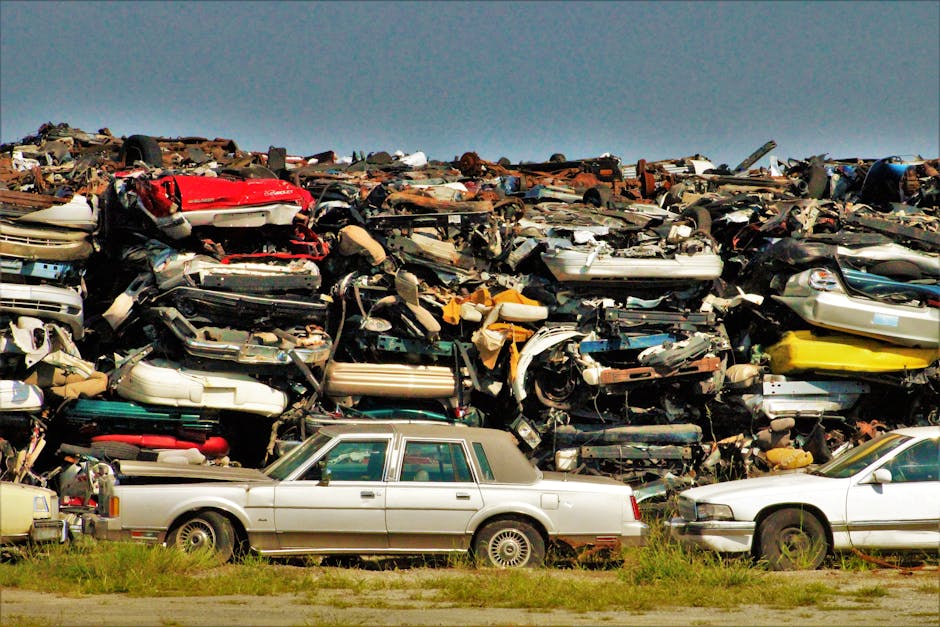

Understanding the nuances of carscrap is essential for anyone involved in the automotive or recycling industry. As the global demand for sustainable resource management grows, the professional handling of end-of-life vehicles (ELVs) has become a cornerstone of the circular economy. By transforming discarded vehicles into high-quality raw materials, we reduce the need for virgin ore extraction and lower the energy intensity of industrial production. Whether you are a car wrecker or an industrial recycler, navigating the complexities of vehicle recycling requires a deep understanding of material grades and regulatory compliance.
The Lifecycle of an End-of-Life Vehicle (ELV)
The journey of an ELV begins long before it reaches the crusher. When a vehicle is no longer roadworthy or economically viable to repair, it enters the formal recycling stream. This process is strictly regulated in Australia to ensure that hazardous materials—such as lead-acid batteries, motor oil, refrigerants, and brake fluids—are removed safely. This phase, known as depollution, is critical to preventing soil and groundwater contamination. Once the vehicle is depolluted, it is stripped of high-value components, including catalytic converters, alternators, and aluminium engine blocks.
For those looking to stay ahead in the industry, staying informed on operational excellence is key. As highlighted in our report on Scraptrade Recognises Sands Industries With The Australian Industrial Innovation Award 2025, innovation in processing technology is driving higher recovery rates across the country. Modern recycling facilities now utilize advanced sensor-based sorting to separate ferrous from non-ferrous metals with surgical precision, ensuring that no material is wasted in the carscrap process.
Understanding Scrap Metal Grades in Automotive Recycling
Not all scrap is created equal. To maximize the value of an ELV, one must understand the specific grading systems used in the industry. Ferrous metals, such as steel and iron, make up the bulk of a vehicle’s weight. These are typically classified as ‘HMS’ (Heavy Melting Steel) or ‘Shredder Feed’. High-grade steel is highly sought after, but purity is the main factor determining its market price.
Non-ferrous metals are where the real value lies. Aluminium, copper, and lead are extracted from various professional scrap metal trading services to be melted down and repurposed. For example, wiring harnesses are rich in copper, while engine blocks and transmission housings are primary sources of high-grade aluminium alloys. Understanding these classifications allows recyclers to negotiate better rates on our global scrap metal trading platform. We see a growing interest in these processes globally, as evidenced by our international reach, such as the グローバル廃金属取引プラットフォームが正式サ and the منصة تجارة الخردة العالمية تُطلق خدما, which connect recyclers with buyers across borders.
The Environmental Imperative of Vehicle Recycling
The environmental impact of recycling a car is profound. Every tonne of recycled steel saves approximately 1.5 tonnes of iron ore, 0.5 tonnes of coal, and 40% of the water required for primary steel production. Beyond the raw material savings, recycling reduces the carbon footprint of the automotive industry by minimizing the energy-intensive mining and refining processes. When an ELV is properly processed, up to 95% of the vehicle by weight can be recycled or recovered.
Furthermore, vehicle recycling prevents the accumulation of toxic substances in the environment. Lead-acid batteries, if left in a landfill, can leach heavy metals into the soil. By integrating these into a formal carscrap chain, we ensure that these materials are neutralized and reused in new battery production. This is a vital component of the circular economy, ensuring that the legacy of a vehicle remains useful long after its engine stops running.
Role of Car Wreckers and Professional Dismantlers
Car wreckers play a pivotal role in the automotive ecosystem. They act as the primary collection point for end-of-life vehicles, providing a service that keeps streets clear of abandoned cars and ensures that hazardous waste is managed correctly. A professional wrecker doesn’t just crush metal; they perform a surgical dismantling process that recovers functional auto parts. These parts are then tested and sold, extending the lifecycle of components that would otherwise be melted down.
This secondary market for auto parts is a highly efficient way to reduce waste. By reusing alternators, starter motors, and body panels, we reduce the demand for new, energy-intensive manufacturing. When these parts eventually reach the end of their second life, they are then fed back into the scrap metal stream, completing the cycle. The synergy between car wreckers and industrial recyclers is the engine that keeps the scrap industry moving forward.
Technological Advancements in Material Recovery
The scrap industry is currently undergoing a digital and physical transformation. Automated shredding plants are now capable of processing hundreds of vehicles per day, using magnetic separators and eddy current separators to sort metals instantly. These technologies have revolutionized the speed and efficiency of the industry. Furthermore, the integration of digital platforms has brought transparency to the pricing of scrap metals, allowing sellers to track market fluctuations in real-time.
Innovation is not just about the machinery; it is about the data. By tracking the composition of vehicles, recyclers can predict the yield of various metals, allowing for better inventory management and higher profitability. As we move toward a future of electric vehicles, the scrap industry is also preparing for the challenge of recycling lithium-ion batteries. This new frontier will require specialized handling and safety protocols, representing the next major evolution in vehicle recycling.
Practical Tips for Maximizing Scrap Value
If you are looking to dispose of an end-of-life vehicle, there are several steps you can take to ensure you get the best value for your scrap. First, remove any non-metallic items that might contaminate the load, such as plastics, textiles, or rubber, if your local recycler requires pre-sorting. Second, ensure that the vehicle is free of hazardous waste; a clean, drained vehicle is much easier and cheaper to process, and many recyclers will pay a premium for it.
Third, keep an eye on the market. Scrap metal prices are volatile and influenced by global demand. Using a digital trading platform allows you to monitor these trends and choose the optimal time to sell. Finally, always work with licensed and reputable recyclers. Not only does this ensure you are paid fairly, but it also guarantees that your vehicle will be handled in compliance with environmental regulations. Responsible disposal is the hallmark of a professional approach to the scrap metal industry.
Future Trends in the Scrap Metal Industry
The future of the scrap metal industry is inextricably linked to the global transition toward sustainable energy. As the automotive industry shifts toward electric vehicles (EVs), the composition of the scrap we process is changing. EVs contain significant amounts of copper, lithium, cobalt, and nickel, all of which are critical materials for the new green economy. The ability to efficiently recover these materials from ELVs will be a major differentiator for recyclers in the coming decade.
We are also seeing a shift toward greater traceability in the supply chain. Manufacturers are increasingly looking for ‘green steel’—steel produced with a high percentage of recycled content. This demand will drive higher prices for high-quality scrap and incentivize better sorting and processing techniques. By staying at the forefront of these trends, participants in the carscrap industry can position themselves as essential partners in the global transition to a low-carbon future.
Conclusion: The Path Forward
The recycling of end-of-life vehicles is far more than a simple disposal process; it is a sophisticated industrial operation that underpins the circular economy. Through the recovery of valuable metals and the safe management of hazardous materials, the carscrap industry provides an essential service to both the environment and the manufacturing sector. As we continue to innovate and adopt new technologies, the efficiency and impact of vehicle recycling will only grow.
Whether you are a professional in the industry or an individual looking to recycle an old vehicle, the key to success is knowledge. By understanding the grades, the environmental benefits, and the importance of working with reputable partners, we can all contribute to a more sustainable future. The industry is evolving rapidly, and those who embrace the shift toward transparency, efficiency, and technological integration will lead the way in the next chapter of global scrap metal trading.
Related: グローバル廃金属取引プラットフォームが正式サ
Frequently Asked Questions
What is the most valuable part of an end-of-life vehicle?
The most valuable components are typically the catalytic converter, which contains precious metals like platinum and rhodium, and the copper wiring harnesses. Aluminium engine blocks and transmission housings also command high prices due to the purity of the metal.
How does carscrap help the environment?
It reduces the need for energy-intensive mining of virgin ores, saves significant amounts of water and electricity in manufacturing, and prevents hazardous fluids and heavy metals from polluting soil and groundwater.
What happens to the non-metal parts of a car?
Non-metal parts like glass, plastics, and rubber are often processed separately. Many plastics are recycled into new automotive components, while glass can be crushed for use in construction materials or road base.
Why is it important to use a licensed car wrecker?
Licensed wreckers are legally required to follow strict depollution protocols to safely remove and dispose of hazardous liquids and batteries. This protects the environment and ensures the recycler remains compliant with state and federal regulations.