
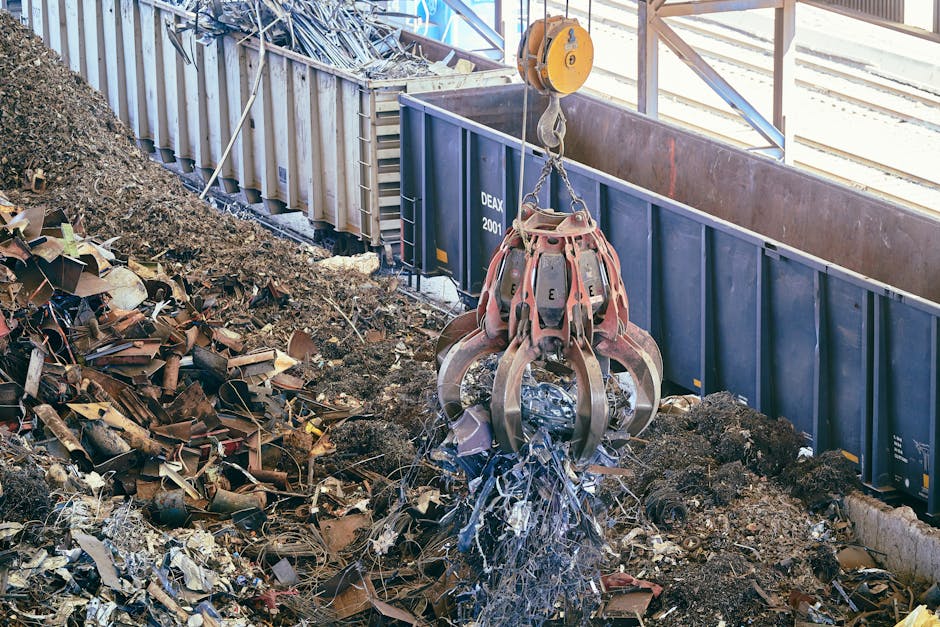

Navigating the landscape of scrap trading international markets requires a deep understanding of commodity flows, regulatory frameworks, and the technical specifications that define value in the global supply chain. As industries worldwide pivot toward sustainability, the demand for recycled metal has transformed from a niche waste management activity into a cornerstone of global industrial policy. Whether you are a local recycler looking to expand your reach or an industrial manufacturer seeking reliable raw materials, understanding how to engage with metal scrap trading is essential for operational success.
The Global Mechanics of Scrap Trading International
At its core, the international scrap trade is the backbone of the circular economy. It bridges the gap between countries with surplus industrial waste and nations with high demand for raw manufacturing inputs. Engaging in scrap trading international requires more than just logistics; it demands a rigorous adherence to quality control and international standards. When dealing with cross-border transactions, the variance in quality can lead to significant financial losses if not managed correctly. This is why professional entities utilize a B2b Scrap Trading Platform to ensure transparency, verified compliance, and secure payment structures.
The process begins with collection and segregation. In Australia, the sophisticated infrastructure for scrap processing allows for high-purity yield, which is highly sought after in Asian and European markets. Understanding the distinction between a trading entity and a processing facility is vital; you can learn more about this in our guide on Scrap Trading Vs Recycling Business. By leveraging digital tools, traders can track price fluctuations in real-time, optimizing their margins against volatile commodity indices like the LME (London Metal Exchange).
Standardized Grades: The Language of Metal
Global trade relies on a universal language of grades, primarily established by the Institute of Scrap Recycling Industries (ISRI). Without these grades, scrap trading international would collapse under the weight of disputes regarding material purity and chemical composition. For example, Copper #1 (Bare Bright) commands a premium because it is free of alloys and coatings, making it immediately ready for smelting. In contrast, lower grades like ‘Copper #2’ contain impurities that require additional refining, thus lowering the purchase price.
Aluminum is similarly graded, with ‘Tense’ (mixed aluminum castings) and ‘Talk’ (aluminum copper radiators) serving as benchmarks. Ferrous metals, such as HMS 1 and 2 (Heavy Melting Steel), are the workhorses of the steel industry. Understanding these specifications is not just a technical requirement; it is a financial one. Before diving into the market, it is prudent to understand your Scrap Trading Roi Explained to ensure that the processing costs do not outweigh the market value of the specific grade you are handling.
How the International Recycling Process Works
The journey from a scrap yard to a finished product is a multi-stage process involving collection, sorting, shredding, and smelting. Collection is the initial phase, where scrap is gathered from demolition sites, manufacturing plants, and household recycling programs. Once collected, the material undergoes rigorous sorting. Advanced facilities now use X-ray fluorescence (XRF) analyzers and eddy current separators to identify and remove non-metallic contaminants. This high-tech approach ensures that the output meets the stringent requirements of international scrap buyers who demand consistent quality.
After sorting, the metal is often shredded into small, uniform pieces. This increases the surface area, making it easier to melt down in furnaces. The final stage is the smelting process, where the scrap is melted and cast into ingots or billets. These are then sold back into the manufacturing sector to create everything from new car parts to structural steel beams. For businesses operating in the Australian market, connecting with a professional scrap trading network is the most efficient way to ensure your materials reach the right global destination.
Environmental Benefits and the Circular Economy
The environmental case for scrap recycling is undeniable. Producing steel from scrap, rather than virgin iron ore, reduces CO2 emissions by approximately 75%. For aluminum, the energy savings are even more dramatic, with recycled aluminum requiring 95% less energy than primary production. By participating in the international trade of scrap, companies are directly contributing to the reduction of global carbon footprints and the preservation of natural resources.
Furthermore, the circular economy model promotes the idea that materials should never become ‘waste’. When we trade scrap internationally, we are essentially moving ‘urban ore’ from areas where it is abundant to areas where it is needed for production. This minimizes the need for destructive mining practices. As global regulations like the EU’s Carbon Border Adjustment Mechanism (CBAM) become more prevalent, the ability to document the recycled content of your materials will become a vital competitive advantage. You can explore more resources at the global scrap trading hub to stay ahead of these regulatory shifts.
Logistics and Regulatory Compliance
Logistics in the scrap trade is a complex web of shipping containers, bulk carriers, and maritime law. Because scrap is often classified as a secondary raw material, it is subject to the Basel Convention, which governs the transboundary movement of hazardous wastes. Traders must ensure that their shipments are properly categorized and that all documentation, including Certificates of Analysis (COA) and Bills of Lading, are accurate. Failure to comply can result in seized shipments and heavy fines.
Furthermore, currency fluctuations play a significant role in international trading. Since most metals are priced in USD, Australian traders must hedge against exchange rate risks. Using a centralized trading platform helps mitigate these risks by providing access to broader market data and more stable counterparties. It is important to remember that speed of payment and reliability of logistics are just as important as the price per tonne when negotiating international contracts.
Technological Advancements in Scrap Processing
The scrap industry is currently undergoing a digital transformation. Artificial Intelligence (AI) is being deployed to visually inspect scrap piles and predict grade quality with high accuracy, reducing the reliance on manual sorting. Additionally, blockchain technology is being explored to create a ‘digital passport’ for metal, allowing buyers to trace the origin and carbon history of the scrap they purchase. This level of transparency is becoming a requirement for major automotive and aerospace manufacturers who have ambitious ESG (Environmental, Social, and Governance) targets.
For the average trader, these technological advancements mean that data is now a core asset. Understanding how to interpret market trends, monitor shipping routes, and utilize digital marketplaces is the new standard for success. The days of relying solely on relationships and phone calls are being replaced by data-driven decision-making, which allows for more precise forecasting of supply and demand cycles across different regions.
Future Outlook: Sustainability and Market Growth
The future of the scrap industry is inextricably linked to the global energy transition. As the world moves toward renewable energy, the demand for copper, nickel, and lithium—all of which are highly recyclable—will skyrocket. This presents a massive opportunity for those already established in the scrap trade. However, it also means that the barrier to entry is rising. Quality control, environmental compliance, and technical expertise are no longer optional.
To thrive in this environment, participants must focus on building long-term relationships with end-users. Moving away from purely transactional, one-off deals toward strategic partnerships will provide the stability needed to navigate market volatility. By focusing on high-quality processing and transparent reporting, traders can position themselves as essential links in the global supply chain, ensuring their business remains profitable and relevant for decades to come.
Practical Tips for International Scrap Traders
1. Verify your counterparties: Always use a platform that performs KYC (Know Your Customer) checks on all buyers and sellers to prevent fraud.
2. Focus on purity: The cleaner your scrap, the higher your margin. Invest in better sorting technology to minimize contaminants.
3. Understand shipping costs: Freight is a major component of your total cost. Optimize your loading density to maximize the value per container.
4. Stay informed: Follow LME price trends and regional demand indicators daily. Market conditions can change overnight.
5. Document everything: Maintain meticulous records of your material grades, testing results, and shipping documents to avoid customs delays.
6. Build a network: Join industry associations and attend global trade conferences to meet buyers and sellers face-to-face.
Conclusion
The international scrap trade is a sophisticated, high-stakes industry that serves as a vital engine for the global economy. By mastering the nuances of grading, logistics, and digital trading platforms, businesses can unlock significant value while contributing to a more sustainable planet. Whether you are navigating the complexities of the Australian market or looking to expand your footprint globally, the key to success lies in quality, transparency, and the strategic use of modern trading tools. As the world continues to prioritize the circular economy, those who master the art of scrap trading international will undoubtedly find themselves at the forefront of the next industrial revolution.
Frequently Asked Questions
What is the most important factor in scrap trading international?
Quality consistency is the most critical factor. Buyers require materials that meet specific grade standards to ensure their smelting processes remain efficient and cost-effective.
How do I ensure my scrap shipments are compliant with international laws?
You must adhere to the Basel Convention guidelines and ensure all shipments are accompanied by accurate Certificates of Analysis and proper customs documentation. Working with reputable, verified trading platforms can help ensure your compliance.
Why is the B2B scrap trading platform better than traditional methods?
A B2B platform provides real-time pricing, verified counterparties, and secure payment escrow services. This reduces the risk of fraud and market volatility compared to traditional, manual brokering.
How does recycling scrap metal benefit the environment?
Recycling metal significantly reduces the energy required for production compared to mining virgin ore. It also lowers CO2 emissions, reduces landfill waste, and preserves natural resources for future generations.