
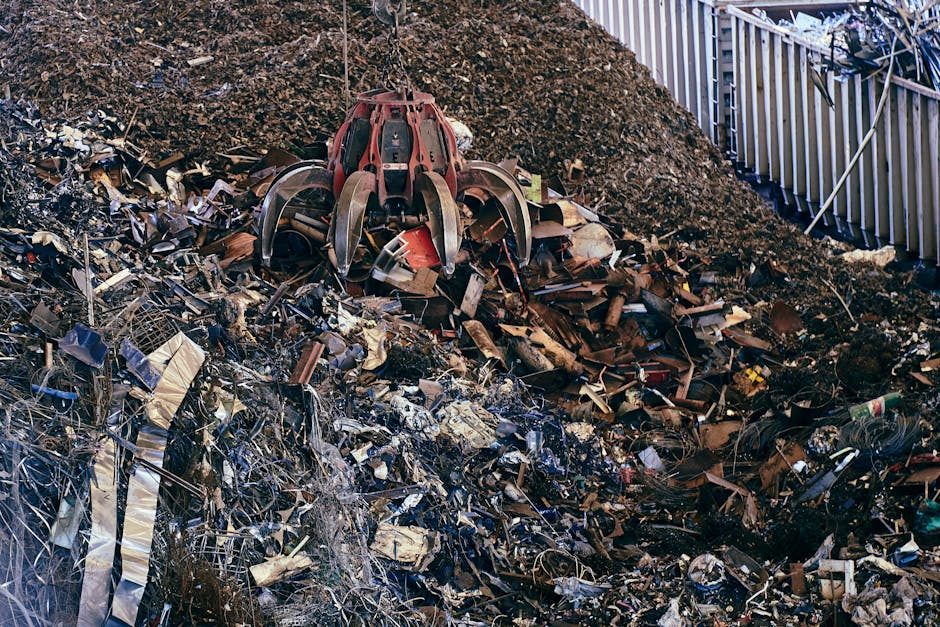

Understanding the complexities of scraps trad is essential for anyone involved in the Australian industrial sector. As the global demand for sustainable materials rises, the efficiency of how we handle scraps—from collection to final smelting—determines the health of our circular economy. Whether you are a small workshop or a large-scale industrial manufacturer, navigating the nuances of metal grades and market pricing is the first step toward optimizing your waste management strategy.
The Fundamentals of Metal Grading in Australia
In the world of scraps trad, the value of material is dictated by its purity, chemical composition, and ease of recovery. Metals are generally categorized into two primary buckets: Ferrous and Non-Ferrous. Ferrous metals, such as iron and steel, are magnetic and are the backbone of the construction and automotive industries. Non-ferrous metals, including copper, aluminium, brass, and lead, are highly prized for their resistance to corrosion and superior electrical conductivity. The grading process is highly technical; for instance, copper is further subdivided into grades like ‘Bright and Shiny’ (Number 1) or ‘Burnt’ (Number 2), each commanding a different price point on the [global scrap metal marketplace](https://scraptradepro.com). To ensure you are maximizing your returns, it is vital to keep these materials segregated. Mixing grades often leads to lower payouts, as the recycling facility must invest more energy and labor into separating the contaminants. The [Australian scrap metal industry](https://scraptrade.com.au) follows strict standards to ensure that the quality of recycled metal meets the high requirements of domestic and international manufacturers.
How the Recycling Process Works: From Waste to Resource
The journey of scraps of metal from a discarded state to a valuable commodity is a multi-stage industrial process. It begins with collection and sorting, where advanced technology like X-ray fluorescence (XRF) analyzers are used to identify the exact elemental makeup of a piece of metal. Once sorted, the materials undergo processing, which may involve shredding, shearing, or baling. Shredding is particularly effective for larger items like vehicles or white goods, breaking them down into small, uniform pieces that are easier to transport and process. Following shredding, magnetic separators pull out the ferrous materials, while eddy current separators are used to eject non-ferrous metals. The final stage is melting, where the processed metal is heated in a furnace to reach a molten state. This liquid metal is then cast into ingots or billets, ready to be sold back into the manufacturing supply chain. This infinite recyclability of metals is what makes the industry so vital to modern sustainability efforts. Innovation in this space is constant, as evidenced by the fact that [Scraptrade Recognises Sands Industries With The Australian Industrial Innovation Award 2025](https://scraptradepro.com/scraptrade-recognises-sands-industries-with-the-australian-industrial-innovation-award-2025). Such advancements highlight how technology is driving higher recovery rates and cleaner production methods.
Environmental Benefits of Metal Recycling
The environmental impact of recycling metals cannot be overstated. When we recycle scraps trad materials, we drastically reduce the need for virgin ore extraction. Mining is an energy-intensive process that leaves significant scars on the landscape, consumes vast amounts of water, and releases greenhouse gases. By contrast, recycling aluminium, for example, saves approximately 95% of the energy required to produce the same amount of metal from raw bauxite ore. Furthermore, steel recycling reduces water pollution by 76% and air pollution by 86% compared to primary production. Beyond energy savings, recycling keeps millions of tonnes of waste out of landfills, where heavy metals could potentially leach into the soil and groundwater. As the world moves toward carbon neutrality, the scrap metal industry serves as a critical pillar, providing the raw materials needed for green technologies like electric vehicle batteries, wind turbines, and solar panel frames. The industry’s commitment to sustainability is reflected in the growth of international cooperation, such as the [グローバル廃金属取引プラットフォームが正式サ](https://scraptradepro.com/グローバル廃金属取引プラットフォームが正式サ/) initiative, which ensures that scrap materials are traded transparently and ethically across borders.
Global Market Dynamics and Digital Transformation
The scrap metal market is no longer a local affair; it is a highly interconnected global network. Prices fluctuate based on supply chain disruptions, geopolitical stability, and the manufacturing output of major economies like China and the United States. For Australian businesses, staying informed about these shifts is crucial for financial planning. Digital platforms have revolutionized how we interact with this market. By providing real-time data and connecting buyers and sellers directly, these platforms reduce the friction that historically plagued the industry. The expansion of these services is evident in global outreach, such as the [منصة تجارة الخردة العالمية تُطلق خدما](https://scraptradepro.com/منصة-تجارة-الخردة-العالمية-تُطلق-خدما/) project, which aims to standardize trading practices and improve accessibility for participants worldwide. Digitalization also brings greater accountability, as blockchain and other tracking technologies help ensure that the scrap being traded is sourced legally and ethically. This shift toward transparency is building trust within the industry and encouraging more companies to participate in the circular economy.
Practical Tips for Maximizing Your Scrap Returns
If you are looking to get the best value for your scrap, preparation is key. First, always clean your metal. Removing non-metallic attachments like plastic, rubber, or wood from a copper pipe can significantly increase its grade and, consequently, its price. Second, keep your metals separated by type. Do not throw your aluminium cans in with your steel scrap; the recycler will have to do the work to sort them, and they will likely pay you for the lower-value material. Third, keep an eye on the market. Scrap prices change daily, just like the stock market. If you have a large volume of scrap, it may be worth waiting for a period of high demand to sell. Fourth, build a relationship with a reputable local recycler. A trusted partner will provide you with accurate weights and fair pricing, and they can often offer advice on how to better prepare your materials for recycling. Finally, prioritize safety. Handling scrap metal can be dangerous, involving sharp edges and heavy objects. Always wear appropriate personal protective equipment (PPE), including gloves and safety boots, when sorting or transporting your materials.
The Future of the Australian Scrap Industry
Australia is uniquely positioned to lead in the scrap metal space due to its vast industrial base and commitment to environmental standards. As we look toward 2030 and beyond, the focus will shift heavily toward ‘urban mining’—the process of recovering valuable metals from end-of-life electronics (e-waste) and infrastructure. This requires more sophisticated sorting technologies and a deeper understanding of the chemistry involved in recycling complex alloys. Government policy is also playing a larger role, with increased regulations on waste management pushing businesses to adopt circular economy principles. This regulatory environment, combined with the efforts of private industry, is creating a more resilient and sustainable ecosystem. Companies that embrace these changes early will not only contribute to a healthier planet but will also find themselves with a competitive advantage in the global marketplace. The integration of advanced logistical solutions and automated sorting, combined with a focus on ethical sourcing, will define the next generation of scrap metal trading.
Conclusion: Why Participation Matters
Engaging in the recycling of metal is more than just a way to clear out a warehouse; it is a fundamental contribution to the global supply chain. By participating in the market for scraps trad, you are helping to conserve natural resources, save energy, and reduce the carbon footprint of the manufacturing sector. Whether you are an individual recycler or a multinational corporation, your actions have a cumulative effect. As the industry continues to evolve through digital innovation and improved recycling techniques, the barrier to entry is lowering, making it easier than ever to contribute to a sustainable future. We encourage all stakeholders to stay informed, prioritize the quality of their sorted materials, and utilize the latest digital tools to ensure their operations are as efficient and profitable as possible. Together, we can ensure that the metals of today become the resources of tomorrow.
Related: scraps
Related: scraps of metal
Frequently Asked Questions
What is the difference between ferrous and non-ferrous scrap?
Ferrous metals contain iron and are magnetic, such as steel and iron, while non-ferrous metals do not contain iron and are typically more valuable, such as copper, aluminium, and brass.
How can I get the best price for my scrap metal?
To get the best price, ensure your scrap is clean of contaminants like plastic or wood, sort your metals by type, and keep an eye on daily market price fluctuations.
Why is recycling scrap metal better for the environment?
Recycling metal significantly reduces the energy required for production compared to mining virgin ore, which in turn lowers greenhouse gas emissions and preserves natural landscapes.
What is urban mining?
Urban mining is the process of recovering raw materials, particularly precious and base metals, from discarded products like e-waste and old infrastructure instead of mining them from the earth.