
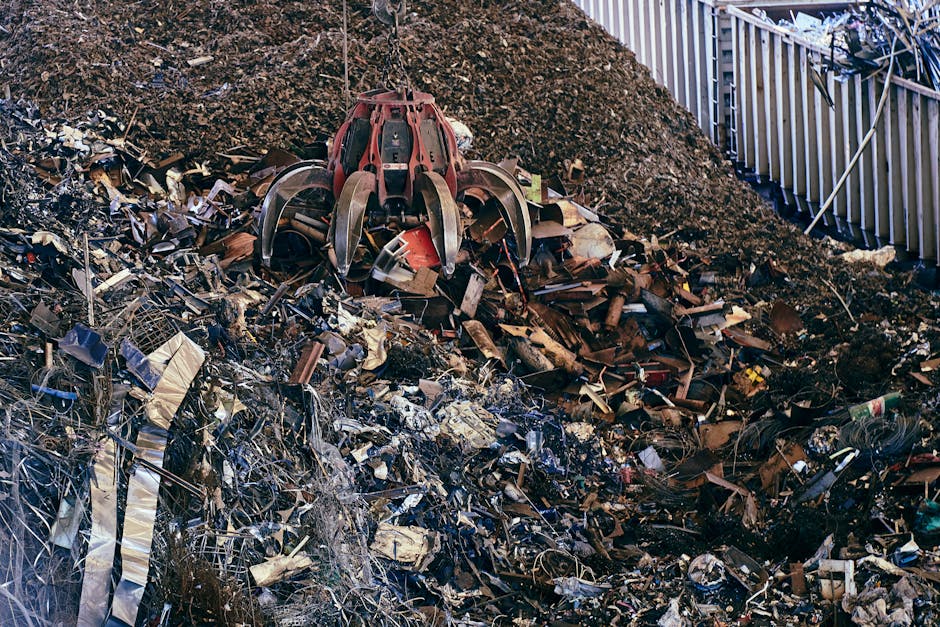

When you are searching for the nearest scrap shop, you are taking the first step toward participating in a circular economy that preserves natural resources and reduces industrial waste. Whether you are a tradesperson clearing a job site or a homeowner cleaning out a garage, understanding how to identify, sort, and trade your materials is essential for maximizing your return and ensuring environmental compliance. This guide serves as your authoritative resource for navigating the Australian scrap metal landscape, helping you understand scrap shop operations and the broader industry.
Understanding the Fundamentals of Metal Recycling
Before heading to the nearest scrap shop, it is vital to understand the industry’s core principles. Metal recycling is not merely about dumping old items; it is a sophisticated industrial process that transforms waste into high-value raw materials. To get a foundational understanding of how this industry functions, read our guide on What Is Scrap Trade. The process begins with collection, followed by sorting, processing, melting, and purification. By recycling metals like copper, aluminum, and steel, we significantly reduce the need for energy-intensive mining and ore processing.
The industry is strictly regulated in Australia to ensure that hazardous materials are handled safely. When you engage with a professional facility, you are contributing to a system that prevents toxic heavy metals from leaching into the soil and water supply. For those curious about the mechanics of the industry, our detailed breakdown on What Scrap Trade Actually Is provides a deep dive into the logistics and economic drivers that dictate daily market prices.
Categorizing Scrap: Ferrous vs. Non-Ferrous Grades
The value of your scrap depends entirely on its grade. Scrap metal is broadly categorized into two types: ferrous and non-ferrous. Ferrous metals contain iron, are magnetic, and include items like steel, iron, and cast iron. While these are common, they generally trade at lower volumes and prices compared to non-ferrous metals. Non-ferrous metals, which include copper, aluminum, brass, lead, and stainless steel, are non-magnetic and are highly prized for their durability and infinite recyclability.
Understanding these grades is the difference between a small payout and a significant return. For instance, ‘bright shiny’ copper is the highest grade of copper scrap because it is free of insulation and oxidation. Conversely, ‘dirty’ aluminum—which contains plastic, steel screws, or other contaminants—will fetch a lower price. It is important to note that while metal is the primary focus, some facilities also accept Plastic Scrap to help streamline the recycling process for large-scale industrial clients. Always check with your local operator to see what they accept before you arrive.
The Environmental Benefits of Professional Recycling
The environmental impact of recycling cannot be overstated. When we recycle aluminum, for example, we use approximately 95% less energy than producing it from raw bauxite ore. This energy saving translates directly into a massive reduction in greenhouse gas emissions. Furthermore, recycling helps conserve our limited landfill space. When you take your materials to the nearest scrap shop, you are preventing bulky, non-biodegradable items from sitting in landfills for centuries.
Beyond energy savings, metal recycling protects biodiversity. Mining operations often require the clearing of forests and the disruption of local ecosystems. By circulating existing metals through the economy, we reduce the demand for new mining operations. This is the cornerstone of sustainable development. Our platform at Scrap Trade is dedicated to connecting individuals and businesses with the information they need to make these sustainable choices daily.
How the Recycling Process Works
Once you drop off your scrap, it undergoes a multi-stage transformation. First, the material is weighed on certified scales to determine its value. Next, it is sorted using advanced technology, including magnetic separators, eddy current separators for non-ferrous metals, and X-ray fluorescence (XRF) analyzers to determine the exact chemical composition of alloys.
After sorting, the metal is shredded or sheared to reduce its volume, making it easier to transport and process. The shredded metal is then melted in massive furnaces. Because metal can be melted down and reformed without losing its structural integrity, this process can be repeated infinitely. The resulting ingots are then sold to manufacturers to create everything from new car parts to beverage cans. If you are looking for specific regional services, our partners at Scrap Trade Australia provide localized insights into how these processes are managed at a state-by-state level.
Practical Tips for Maximizing Your Scrap Value
To ensure you get the best price, preparation is key. First, separate your metals. Mixing copper with steel or brass will result in the entire load being graded as a lower-value ‘mixed’ scrap. Second, clean your materials. Remove non-metal attachments like plastic handles, rubber gaskets, or wood frames. The cleaner your metal, the higher the grade you will receive.
Third, keep an eye on market trends. Metal prices fluctuate based on global supply and demand, the strength of the Australian dollar, and industrial activity in manufacturing hubs like China. While you cannot control the market, you can control when you sell. If you have a large volume of high-grade copper or brass, it may be worth holding onto it until prices peak. Finally, always ensure you have valid identification, as most professional scrap yards require ID to comply with anti-theft legislation.
Navigating Regulations and Safety
Safety is the most important aspect of metal recycling. Scrap yards are industrial environments with heavy machinery, moving vehicles, and sharp materials. Always follow site signage, wear appropriate Personal Protective Equipment (PPE) like steel-capped boots and high-visibility vests, and never attempt to handle materials that appear hazardous or pressurized. If you are ever unsure about a specific item, such as a sealed tank or a container that held chemicals, ask the site supervisor before attempting to unload it.
Legislation such as the Second-Hand Dealers and Pawnbrokers Act in various Australian states ensures that the trade is transparent and discourages the sale of stolen goods. By choosing a reputable, licensed facility, you are supporting a legal and ethical industry. If you are searching for a reliable partner, searching for a waste scrap shop near me will often yield results that prioritize these safety and legal standards, ensuring your recycling journey is both profitable and compliant.
The Future of the Scrap Metal Industry
The future of the scrap metal industry is bright, driven by technological innovation and a global shift toward a circular economy. We are seeing the rise of ‘smart’ sorting technologies that use artificial intelligence to identify and separate complex alloys with unprecedented accuracy. Furthermore, urban mining—the process of recovering valuable metals from discarded electronics and infrastructure—is becoming a major pillar of the industry.
As we move toward a net-zero future, the role of the scrap metal trader will become even more critical. By efficiently managing our material resources, we reduce the carbon footprint of the entire manufacturing sector. Whether you are a small-scale recycler or a large industrial firm, your participation in this system is vital. By staying informed and engaging with professional, transparent recycling partners, you contribute to a cleaner, more efficient Australia.
Conclusion: Taking Action Today
Finding the right facility is about more than just convenience; it is about finding a partner who values transparency, safety, and environmental stewardship. By understanding the grades of scrap, the importance of sorting, and the broader impact of your actions, you can turn waste into a valuable resource. We encourage you to use the resources provided here to make informed decisions. Start by identifying your materials, sorting them by grade, and using our tools to locate a facility that meets your needs. Together, we can ensure that metal recycling remains a sustainable and profitable cornerstone of the Australian economy.
Frequently Asked Questions
How do I know if my metal is ferrous or non-ferrous?
The easiest way to tell is by using a magnet. If the magnet sticks to the metal, it is ferrous (like steel or iron); if it does not, it is non-ferrous (like copper, aluminum, or brass).
Why does my scrap metal need to be sorted?
Sorting your metal by type and removing contaminants like plastic or wood ensures you receive the highest market price. Mixed loads are often graded at the lowest common denominator, significantly reducing your payout.
Do I need identification to sell scrap metal?
Yes, in Australia, most licensed scrap yards are legally required to record your details and verify your identity to prevent the trade of stolen materials. Always bring a valid driver’s license or government-issued ID.
Can I recycle items that contain both metal and plastic?
Yes, but you will get a better price if you separate the materials before arriving. Many scrap shops will deduct the weight of non-metal components or refuse to process items that are heavily contaminated.