
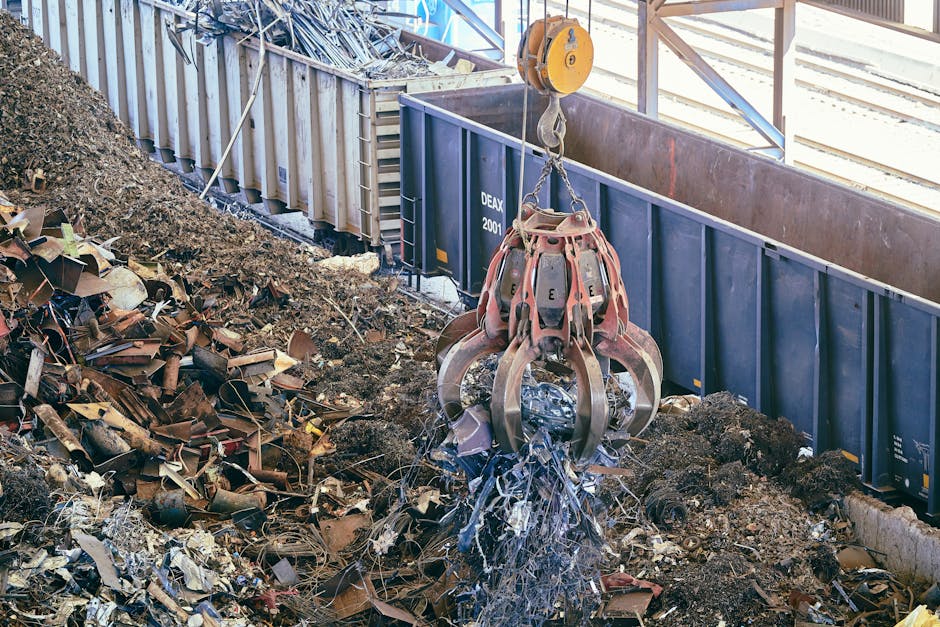

Understanding the complexities of melting scrap metal is essential for anyone involved in the industrial supply chain, from construction contractors to household recyclers. As global demand for sustainable materials grows, the ability to transform waste into high-quality feedstock through thermal processing has become a cornerstone of the Australian economy. Whether you are looking to Sell Scrap Metal Near Me In 2026 or simply want to understand the lifecycle of your materials, this guide provides the technical expertise required to navigate the market.
The Fundamentals of Metal Grading and Sorting
Before any furnace is fired, the most critical step in the recycling value chain is the accurate identification and segregation of material grades. The purity of the final ingot depends entirely on the feedstock quality. In Australia, the industry relies on standardized classifications to ensure that alloys are not contaminated during the melting process. For instance, copper is often categorized into grades like ‘Bright and Shiny’ (Number 1) or ‘Burnt’ (Number 2), each commanding different Scrap Metal Prices based on their recovery potential.
Sorting is not merely a manual task; it involves advanced technologies such as X-ray fluorescence (XRF) analyzers and laser-induced breakdown spectroscopy (LIBS). These tools allow recyclers to determine the exact chemical composition of a piece of scrap. If you are located in specific regions, you might find localized expertise, such as scrap metal maryknoll centers that offer specialized sorting services for industrial clients. Similarly, if you are searching for scrap metal glendale facilities, you will find that professional sorting is the primary factor that determines the profitability of your load.
The Industrial Process of Melting Scrap Metal
The process of melting scrap metal is a highly controlled thermal operation designed to remove impurities and restore the metal to a specification-compliant state. Once sorted, the metal is fed into a furnace—most commonly an Electric Arc Furnace (EAF) for steel or a reverberatory furnace for non-ferrous metals like aluminum and copper. The heat required varies significantly; aluminum melts at approximately 660°C, while steel requires temperatures exceeding 1,500°C.
During the melt, fluxing agents are added to the molten bath. These chemicals react with impurities, forming a layer of ‘slag’ that floats to the surface and is skimmed off, leaving behind pure molten metal. This molten material is then cast into billets, ingots, or slabs. This refined product is then sold back to manufacturers to create everything from automotive parts to structural beams. For those interested in the broader industry, you can explore the leading scrap trading platform to see how these materials move through the global market. Furthermore, professional services provided by Australian scrap trade experts ensure that the melting process adheres to strict environmental and safety standards.
Environmental Benefits of Circular Metal Economy
The environmental case for melting scrap metal is overwhelming. When we recycle metal, we bypass the energy-intensive process of mining virgin ore. Extracting aluminum from bauxite, for example, requires roughly 95% more energy than recycling existing aluminum scrap. By closing the loop, we drastically reduce the carbon footprint of the manufacturing sector. Furthermore, the mining process often involves significant land clearing and habitat destruction, whereas recycling utilizes existing urban stockpiles.
Beyond energy savings, melting scrap reduces the volume of waste sent to landfills. Australia’s commitment to a circular economy is bolstered by the fact that metals can be recycled indefinitely without losing their physical or chemical properties. This means a soda can recycled today could be part of a new car or a building facade within weeks. By choosing to engage in Scrap Metal Recycling Near Me, you are directly contributing to a reduction in greenhouse gas emissions and preserving natural resources for future generations.
Managing Impurities and Alloying Elements
One of the greatest challenges in the melting process is the presence of ‘tramp elements.’ These are unintended metals that end up in the melt and can compromise the mechanical properties of the final product. For example, copper contamination in steel can lead to hot shortness, a condition that causes the steel to crack during hot rolling. Managing these impurities requires deep metallurgical knowledge and precise control over the furnace atmosphere.
Recyclers must be diligent about removing coatings, plastics, and non-metallic attachments before the material enters the furnace. This is why the ‘preparation’ phase of scrap processing—which includes shredding, shearing, and magnetic separation—is just as important as the melting itself. Advanced facilities use eddy current separators to eject non-ferrous metals from a stream of non-metallic waste, ensuring a clean feedstock that maximizes the efficiency of the melting process.
The Economic Impact of Global Scrap Markets
The price of scrap metal is a barometer for the health of the global economy. When construction and automotive manufacturing are booming, demand for recycled steel and aluminum surges, driving up prices. Conversely, economic slowdowns can lead to a surplus of scrap and lower prices. Understanding these fluctuations is vital for businesses that rely on scrap as a primary source of revenue or raw material.
Australia plays a significant role in this market, exporting large volumes of processed scrap to manufacturing hubs in Asia and beyond. The logistics of moving this material—from local collection points to international shipping ports—is a massive undertaking that requires sophisticated supply chain management. By staying informed about market trends, sellers can time their disposals to coincide with peak demand, ensuring they receive the best possible returns for their materials.
Safety Protocols in Melting Facilities
Operating a furnace is inherently dangerous, involving extreme temperatures, molten materials, and heavy machinery. Safety is the top priority in any professional scrap melting facility. This includes the use of personal protective equipment (PPE) such as heat-resistant suits, face shields, and specialized footwear. Furthermore, facilities must have rigorous protocols to prevent explosions, which can occur if moisture or sealed containers are accidentally introduced into a molten bath.
Environmental safety is equally critical. Melting processes must be equipped with sophisticated filtration and scrubbing systems to capture particulate matter and volatile organic compounds (VOCs). These systems ensure that the air quality around the facility remains within regulatory limits. By adhering to these strict standards, the Australian scrap industry demonstrates that it is possible to perform industrial-scale recycling while protecting both the workforce and the surrounding community.
Future Trends in Metal Recycling
The future of metal recycling is being shaped by digitalization and increased automation. Smart sorting machines, powered by artificial intelligence, are becoming the standard, allowing for faster and more accurate segregation of complex alloys. Additionally, there is a growing trend toward ‘design for recycling,’ where manufacturers create products with the end-of-life process in mind, making it easier to disassemble and melt down components.
As we move toward 2026 and beyond, the integration of blockchain technology into the scrap supply chain is expected to provide greater transparency regarding the origin and purity of recycled materials. This will give manufacturers more confidence in using high-percentage recycled content in their products, further driving the demand for high-quality scrap. Staying ahead of these trends will be essential for anyone looking to maximize their involvement in the scrap metal industry.
Conclusion: The Path Forward
The process of melting scrap metal is a sophisticated, essential, and environmentally responsible practice that underpins modern industry. By understanding the grades, the thermal processes, and the economic drivers, you can better navigate the market and contribute to a more sustainable future. Whether you are a small-scale recycler or an industrial supplier, your participation in the circular economy is valuable. Remember to prioritize safety, stay informed on market prices, and utilize professional recycling channels to ensure that your scrap metal is handled with the expertise it deserves.
Frequently Asked Questions
Why is sorting scrap metal so important before melting?
Sorting prevents cross-contamination of alloys, which can ruin an entire batch of molten metal. Different metals have different melting points and chemical properties, so keeping them separated ensures the final product meets industrial quality standards.
Does melting scrap metal consume as much energy as producing new metal from ore?
No, melting scrap metal is significantly more energy-efficient. For example, recycling aluminum saves approximately 95% of the energy required to produce primary aluminum from raw bauxite ore.
What are ‘tramp elements’ in the context of scrap melting?
Tramp elements are unintended metallic impurities that enter the melt, such as copper in steel. These elements can negatively alter the physical properties of the finished metal, often making it brittle or difficult to process.
How can I ensure I get the best value for my scrap metal?
You can maximize your returns by cleaning your scrap of non-metallic attachments, sorting it by grade (e.g., separating copper from steel), and keeping up-to-date with current market prices before selling to a reputable recycler.