
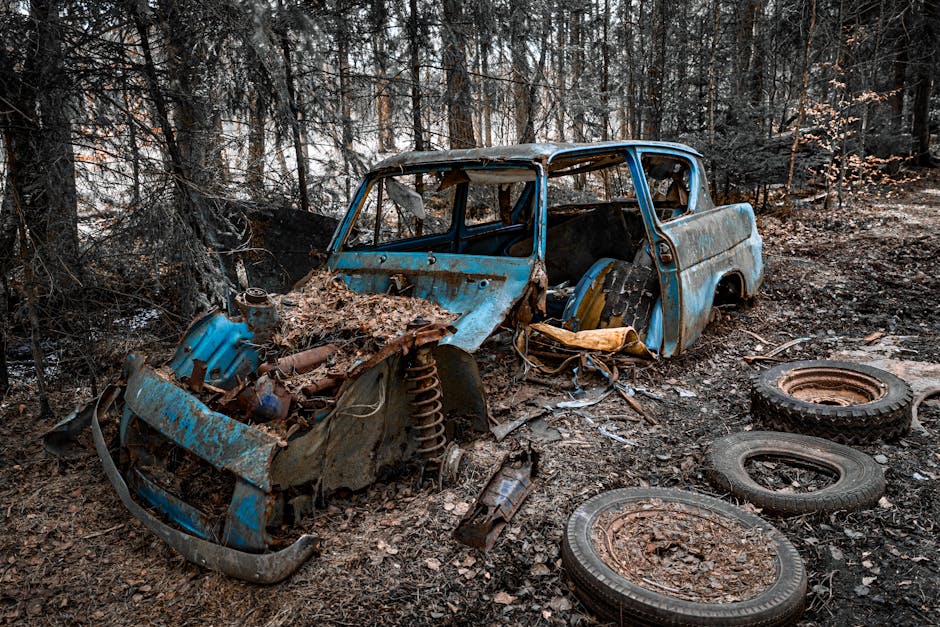

Understanding the scrap road is essential for anyone looking to enter the metal recycling industry in Australia. Whether you are a hobbyist collector or an industrial operator, the journey from discarded metal to a refined commodity is governed by specific technical grades, market demands, and environmental regulations. By mastering these variables, you can optimize your returns and contribute to a circular economy that minimizes the need for virgin ore extraction.
Understanding the Lifecycle of Metals
The journey of metal begins long before it reaches a facility. It starts with the initial collection, where items are diverted from landfills. When you decide to Sell Scrap, you are participating in a global supply chain that values resource efficiency. The process typically involves sorting, shredding, and melting, which transforms raw, mixed waste into high-purity ingots. For those new to the sector, learning What Is Scrap Trade provides the necessary foundation to understand how market fluctuations impact your bottom line. Scrap is not merely trash; it is a stored asset that holds intrinsic value regardless of economic cycles.
The Australian market is unique due to its heavy reliance on export and domestic manufacturing. When you visit a local scrap shop, you are engaging with a vital node in this network. These facilities act as aggregators, ensuring that materials are processed correctly to meet international quality standards. The efficiency of this process depends on the purity of the material collected. Contamination, such as plastics or non-metallic attachments, can significantly reduce the value of your haul, making proper preparation a key skill for any serious trader.
Categorizing Scrap: Ferrous vs. Non-Ferrous
To navigate the scrap road effectively, one must distinguish between the two primary categories of metal: ferrous and non-ferrous. Ferrous metals, such as iron and steel, are magnetic and are the most commonly recycled materials in the world. They are essential for construction, automotive manufacturing, and infrastructure projects. Because of their high volume, they are often traded in bulk quantities.
Non-ferrous metals, which include copper, aluminum, brass, and lead, are non-magnetic and generally command higher prices due to their scarcity and the energy-intensive nature of their primary production. Copper, for example, is highly sought after for its electrical conductivity. When you are determining where can i sell scrap, it is important to identify which category your materials fall into, as different yards specialize in different types of metals. Specialized yards may offer better rates for high-grade non-ferrous metals compared to general-purpose facilities.
- Ferrous Metals: Cast iron, mild steel, stainless steel, and wrought iron.
- Non-Ferrous Metals: Copper piping, aluminum siding, brass fittings, and lead-acid batteries.
- High-Value Alloys: Titanium, nickel, and cobalt, often found in specialized industrial components.
By correctly identifying and separating these grades, you maximize the value of your Scrap. Mixing materials often leads to a lower “dirty” price, whereas clean, sorted loads are highly prized by recyclers who can immediately feed them into the smelting process.
The Technical Process: How Recycling Works
The transformation of scrap into raw material is a sophisticated industrial operation. Upon arrival at a facility, the material is weighed and inspected. Advanced technology, such as X-ray fluorescence (XRF) analyzers, is often used to determine the exact chemical composition of the metal. This ensures that the final product meets the stringent requirements of steel mills and foundries.
Once identified, the metal undergoes shredding, which reduces large objects into smaller, manageable fragments. This increases the surface area, making it easier to separate contaminants. Magnetic separators are then used to pull ferrous metals from the mix, while eddy current separators are employed to sort non-ferrous materials based on their conductivity. This precision is what makes the scrap trading platform a vital resource for modern industry. Through the Australian scrap trading network, businesses can track these materials as they move through the supply chain, ensuring transparency and accountability.
Environmental Benefits of Metal Recycling
The environmental impact of recycling cannot be overstated. Mining for virgin ore is one of the most carbon-intensive activities on the planet, involving massive land disruption, water usage, and energy consumption. By recycling aluminum, for instance, we save approximately 95% of the energy required to produce the same amount from bauxite ore. This massive energy saving translates to a significant reduction in greenhouse gas emissions.
Furthermore, recycling preserves natural resources. Metal is infinitely recyclable; it can be melted down and reformed without losing its structural integrity. This means that a piece of steel today could have been part of a car in the 1990s and a skyscraper in the 1970s. By keeping these materials in circulation, we reduce the demand for new mining operations and decrease the volume of waste sent to landfills. This is the true promise of the scrap road—a sustainable path toward a resource-secure future.
Strategic Tips for Maximizing Your Returns
If you are looking to turn a profit, preparation is everything. First, always clean your metal. Removing non-metallic parts like rubber, plastic, or wood can move your material from a lower grade to a higher one. Second, keep your metals separated. If you have a pile of mixed brass and copper, you will only get the price of the lowest-value metal in that pile. By keeping them in separate bins, you ensure you are paid the market rate for each.
Timing also plays a role. Metal prices are volatile and influenced by global demand, particularly from manufacturing hubs in Asia. Keep an eye on market trends. If you have the storage space, it can be beneficial to hold onto your stock until prices rise. Finally, build a relationship with your local yard. Regular suppliers often receive better service, more accurate grading, and even loyalty bonuses. Consistency is the hallmark of a successful professional scrap trader.
Global Market Dynamics and Future Trends
The future of the industry is being shaped by digitization and the push for a circular economy. We are seeing a rise in blockchain technology being used to track the provenance of recycled metals, ensuring that manufacturers can verify the sustainability of their supply chains. This is particularly important for the automotive and aerospace industries, which are under increasing pressure to reduce their carbon footprint.
As Australia continues to pivot toward greener manufacturing, the demand for high-quality recycled scrap will only increase. Regulations are also tightening, with governments implementing stricter standards for waste management and environmental compliance. This will likely lead to a consolidation of the industry, where only the most efficient and transparent operators will thrive. Staying informed about these shifts will keep you ahead of the curve.
Safety Protocols in the Scrap Yard
Safety is paramount when handling scrap metal. Sharp edges, heavy machinery, and hazardous materials are common hazards. Always wear appropriate personal protective equipment (PPE), including heavy-duty gloves, steel-toed boots, and high-visibility clothing. Be aware of your surroundings, especially when heavy equipment like excavators or loaders is in operation.
Furthermore, never attempt to dismantle sealed containers, such as gas cylinders or pressurized tanks, as these can explode. If you are unsure about an item, ask the yard staff. Professional recyclers have specific protocols for handling hazardous materials like lead-acid batteries or mercury-containing switches. Responsible recycling involves not just the material, but the safety of the people involved in the process.
Conclusion: The Path Forward
The scrap road is more than just a route to a recycling yard; it is a vital component of a sustainable global economy. By understanding the grades, the processes, and the environmental implications of your actions, you contribute to a system that values conservation and efficiency. Whether you are a small-scale collector or a large industrial partner, your participation ensures that valuable resources remain in use rather than ending up as waste. Start your journey today by staying educated, staying safe, and engaging with the right networks to maximize your impact and your returns.
Frequently Asked Questions
What is the most valuable metal to recycle?
Copper is generally the most valuable non-ferrous metal due to its high demand in electrical and plumbing applications. However, rare alloys and precious metals like gold or silver found in electronics can sometimes fetch higher prices per kilogram.
How can I tell if my metal is ferrous or non-ferrous?
The easiest way is to use a magnet. If the magnet sticks to the metal, it is ferrous (iron-based). If it does not stick, it is non-ferrous, such as aluminum, copper, or brass.
Why are scrap metal prices always changing?
Scrap metal is a global commodity, and its price is influenced by supply and demand, international trade policies, and the cost of raw materials like iron ore. Economic growth in manufacturing-heavy nations often drives prices up.
Do I need a license to sell scrap in Australia?
Most states have implemented regulations requiring scrap yards to record the details of sellers to prevent the trade of stolen goods. While you may not need a formal business license to sell small amounts, you will need to provide valid photo identification.