
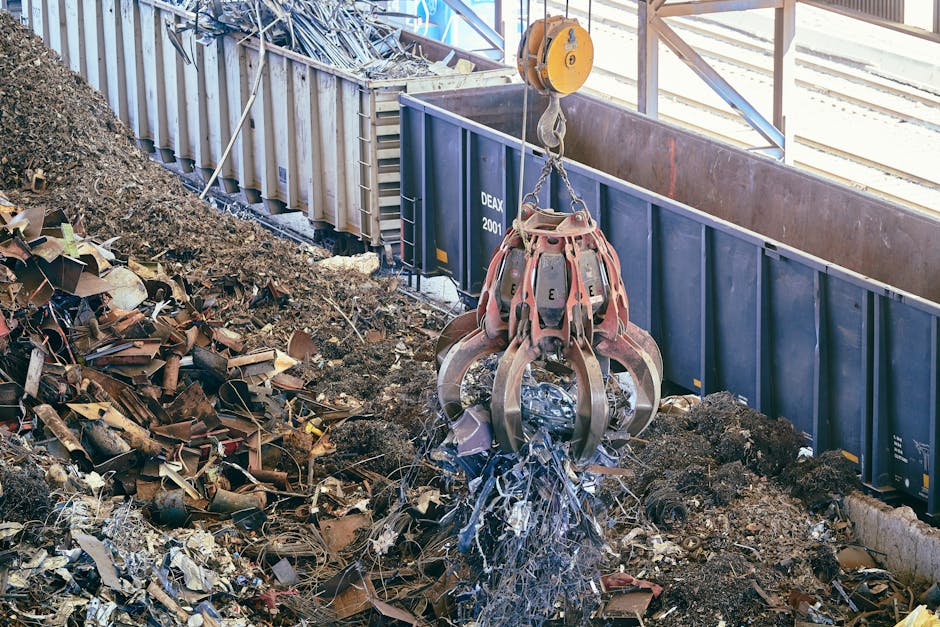

When you decide to recycle scrap, you are participating in a vital circular economy that preserves Australia’s natural resources and reduces the energy intensity of manufacturing. Whether you are a homeowner clearing out a garage or a business managing industrial waste, understanding the nuances of the scrap metal industry is the first step toward turning waste into value. To truly understand the industry, it is helpful to first look at What Is Scrap Trade and how it functions as the backbone of global material supply chains.
The Comprehensive Guide to Metal Recycling
Metal recycling is a sophisticated industrial process that transforms end-of-life products into high-quality raw materials. Unlike plastic or paper, which often degrade in quality during the recycling process, metals like copper, aluminium, and steel can be recycled infinitely without losing their structural integrity. This unique property makes the decision to recycle scrap not just an environmental choice, but an economic imperative. By choosing to recycle scrap for money, you are contributing to a system that prevents millions of tonnes of waste from entering landfills annually.
The process begins with the identification and classification of materials. Metals are generally categorised into two groups: ferrous and non-ferrous. Ferrous metals, such as iron and steel, contain iron and are typically magnetic. Non-ferrous metals, including copper, aluminium, brass, and lead, are more valuable and resistant to corrosion. When you prepare to How to recycle scrap metal, separating these materials is the most effective way to ensure you receive the best market price for your goods. Our platform, Scrap Trade, provides the tools and information necessary to navigate these grades effectively.
Understanding Scrap Grades and Market Value
The value of your material is determined by its grade and purity. In the Australian market, scrap dealers assess the quality based on contamination levels—such as plastic coatings on wires, dirt on aluminium sheets, or non-metallic attachments. High-grade copper, often referred to as ‘bright and shiny,’ fetches the highest price because it requires minimal processing before it can be melted down.
Steel is the most recycled material by volume in Australia. It is categorised into grades like ‘heavy melting steel’ (HMS) or ‘light gauge’ (such as appliances). Understanding these grades allows you to maximise your return when you Sell Scrap. For industrial partners, keeping these grades segregated at the source is the single most important factor in maintaining profitability. Contamination is the enemy of value; even small amounts of steel mixed into a copper bin can downgrade the entire load to a lower price tier.
Drop-off vs. Pickup: Choosing the Right Logistics
For most Australians, the choice between a recycling centre drop-off and a professional pickup service depends on the volume and nature of the material. If you have a small amount of household scrap, visiting a local recycling centre is often the most convenient and immediate way to get paid. These facilities are equipped with industrial scales that provide accurate weight readings and instant payment processing.
Conversely, for large-scale industrial projects, construction sites, or demolition companies, a dedicated pickup service is essential. Professional scrap companies provide skip bins or flatbed trucks to haul away heavy metals, saving you the time and logistical headache of transporting hazardous or bulky materials yourself. When evaluating a provider, look for those with a strong track record in safety and environmental compliance. You can find reputable local operators through the national database at Scrap Trade Australia.
The Environmental Impact and Carbon Footprint
The environmental benefit of recycling metal cannot be overstated. Mining virgin ore is an energy-intensive process that involves massive land disruption, habitat destruction, and significant water usage. By contrast, recycling existing metal requires a fraction of the energy. For instance, recycling aluminium saves approximately 95% of the energy required to produce the same amount of aluminium from raw bauxite ore.
Furthermore, the carbon footprint of metal production is drastically reduced through recycling. Every tonne of recycled steel prevents nearly two tonnes of carbon dioxide from being released into the atmosphere. This is a critical component of Australia’s commitment to net-zero emissions. When you recycle scrap, you are directly reducing the demand for new mining operations and lowering the aggregate greenhouse gas emissions of the manufacturing sector. This is why scrap metal trading is considered one of the most effective green industries in the world.
The Step-by-Step Recycling Process
Once your metal reaches the facility, it undergoes a rigorous processing sequence. First, it is weighed and inspected for quality. Advanced technology, such as X-ray fluorescence (XRF) analysers, is often used to identify the specific chemical composition of alloys, ensuring that each metal is sorted into its correct category.
Next, the metal is shredded or sheared to reduce its size. Shredding is particularly common for end-of-life vehicles and white goods. Once shredded, the material passes through magnetic separators to extract ferrous metals. Eddy current separators are then used to eject non-ferrous metals from the mix. Finally, the clean, sorted metal is compressed into dense bales or ‘biscuits’ and shipped to smelters, where it is melted into ingots or billets. These billets then head to manufacturing plants to be turned into everything from new car parts to structural beams for buildings.
Safety and Compliance in Scrap Trading
Safety is paramount when handling scrap metal. Many items, such as old batteries, gas cylinders, or sealed containers, can pose significant risks if handled incorrectly. Always ensure that gas cylinders are depressurised and that hazardous materials like asbestos or radioactive components are handled by licensed professionals. Most reputable recycling centre locations will have strict protocols regarding what they can and cannot accept. Always check with your local site before loading your vehicle.
Compliance with local environmental laws is also non-negotiable. Australia has stringent regulations regarding the storage and transport of industrial waste. By working with established, licensed scrap traders, you ensure that your waste is being processed in a way that protects local waterways and soil quality. This ethical approach to disposal is the hallmark of a responsible business or household.
Future Trends in the Metal Recycling Industry
The future of the scrap industry is increasingly digital. We are seeing a shift toward automated sorting technologies using artificial intelligence and robotics to improve purity levels. Furthermore, the rise of electric vehicles (EVs) is changing the composition of available scrap. EV batteries contain valuable minerals like lithium, cobalt, and nickel, which require specialised recycling processes. As these technologies mature, the scrap industry will become even more integral to the global supply chain, serving as a ‘mine above ground’ for the critical minerals needed for the green energy transition.
Moreover, the integration of blockchain technology is beginning to offer greater transparency in the supply chain. This allows manufacturers to trace the origin of their recycled materials, ensuring that they meet sustainability standards. As consumers demand more ‘green’ products, the ability to certify that a product was made from recycled content will become a significant competitive advantage for manufacturers, further driving the demand for high-quality scrap metal.
Practical Tips for Maximising Your Scrap Returns
If you want to get the most out of your scrap metal, preparation is key. First, keep your metals dry. Water weight can affect your payout, and rust can degrade the quality of steel. Second, strip plastic insulation from copper wire if you have the time and tools; ‘bright’ copper is significantly more valuable than insulated wire. Third, keep your metals separated by type. A mixed load of aluminium, brass, and steel will usually be priced at the rate of the lowest-value metal in the pile. Fourth, call ahead. Prices for scrap metal fluctuate daily based on global commodity markets. Checking the current market trends before you head to the recycling centre ensures you are informed and ready to negotiate.
Finally, build a relationship with a local buyer. Consistent suppliers often receive better service and more reliable information regarding market shifts. Whether you are a small-scale recycler or a large industrial firm, treating scrap as a valuable commodity rather than ‘trash’ will change your approach to waste management entirely. By following these best practices, you contribute to a more efficient, profitable, and sustainable Australian economy.
Conclusion
Recycling scrap metal is a powerful way to reduce your carbon footprint and support the Australian economy. From the moment you decide to gather your materials to the final processing at a recycling centre, every step contributes to a more sustainable future. By understanding the grades, knowing the difference between drop-off and pickup options, and acknowledging the significant environmental benefit of metal recovery, you are making a tangible difference. Whether you are looking to clear space or generate extra income, the scrap metal industry offers a pathway to responsible resource management. Start today by sorting your materials and connecting with local professionals to ensure your scrap is handled with the expertise it deserves.
Related: Scrap
Frequently Asked Questions
What is the most valuable type of scrap metal?
Copper is generally the most valuable common scrap metal due to its high demand in electrical and plumbing industries. Other high-value metals include brass, stainless steel, and aluminium.
Do I need to clean my scrap metal before taking it to a recycling centre?
Yes, cleaning your scrap by removing non-metallic attachments like plastic, rubber, or wood will significantly increase its value. Contaminated scrap is often downgraded, resulting in a lower payout.
How do scrap metal prices change?
Scrap metal prices fluctuate based on global commodity markets, supply and demand, and the current cost of virgin metal production. It is best to check current rates with your local dealer before selling.
Is there a minimum amount of scrap required for a pickup service?
Most professional scrap companies require a minimum volume or weight to justify the cost of sending a truck for a pickup service. Contact your local provider to discuss your specific quantity and logistical needs.