
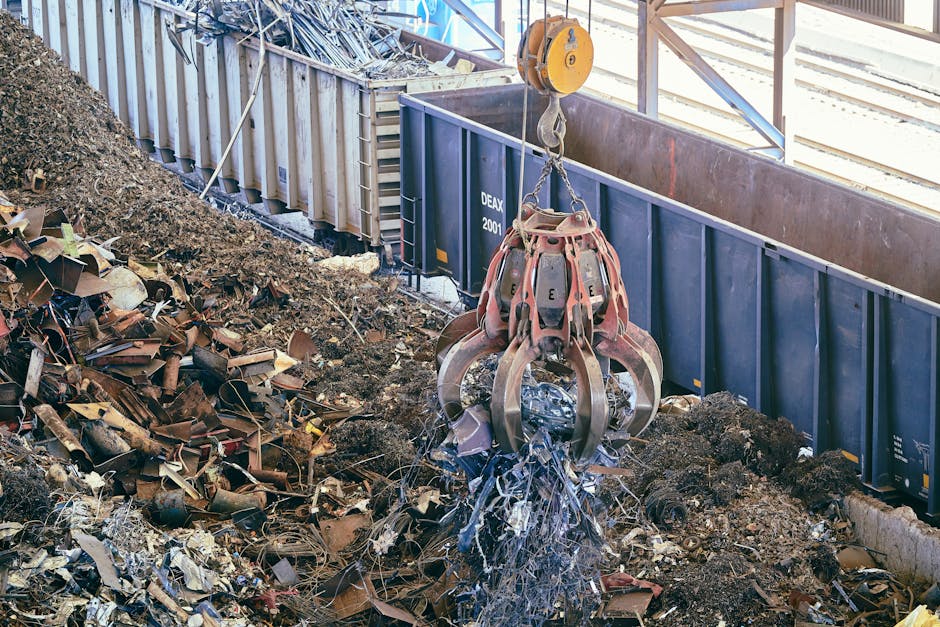

Understanding the nuances of recycling scrap is essential for both industrial stakeholders and individual contributors looking to participate in the circular economy. As Australia moves toward more sustainable waste management practices, the importance of efficient metal recovery cannot be overstated. Whether you are an industrial manufacturer or a homeowner cleaning out a shed, knowing how to properly classify and process your materials is the first step toward environmental stewardship and financial gain.
Understanding the Fundamentals of the Scrap Metal Industry
To truly grasp the value of the industry, one must first understand What Is Scrap Trade. At its core, the scrap trade is the backbone of the global manufacturing supply chain. It transforms what is perceived as waste into a vital resource. When you engage in recycling scrap, you are actively participating in a global market that values the infinite recyclability of metals like copper, aluminium, and steel. Unlike plastic, which often degrades in quality during the recycling process, metals can be melted down and repurposed indefinitely without losing their structural integrity.
The process begins with collection and logistics. Many businesses and individuals look for Scrap Metal Recycling Near Me to find local facilities that can handle their specific volume of material. Once collected, the metal is subjected to rigorous testing. Modern facilities use X-ray fluorescence (XRF) analysers to determine the exact chemical composition of the metal, ensuring that alloys are separated correctly. This precision is what allows for the high-quality output that manufacturers demand. For those located in specific regions, specialized services like scrap recycling glenfield or scrap recycling campbelltown provide localized solutions to manage industrial and commercial waste streams effectively.
The Classification of Metal Grades
Not all metal is created equal, and understanding grading is the secret to maximizing the value when you Sell Scrap. Metals are generally divided into two main categories: Ferrous and Non-Ferrous.
Ferrous Metals: These contain iron and are magnetic. Common examples include carbon steel, alloy steel, wrought iron, and cast iron. Because they are abundant and relatively easy to recover, they are often recycled in massive quantities. They are the workhorses of the construction and automotive industries.
Non-Ferrous Metals: These are the high-value materials. They do not contain iron and are non-magnetic. This category includes copper, brass, aluminium, lead, zinc, and precious metals like gold or silver. Because these metals are more energy-intensive to mine from raw ore, their recycled counterparts are highly sought after. For instance, recycling aluminium saves approximately 95% of the energy required to produce the same amount of metal from bauxite ore.
Within these categories, there are specific grades. For example, copper is graded as ‘bright and shiny’ (clean, unalloyed wire), ‘heather’ (burnt wire), or ‘birch’ (clean pipe). Knowing these distinctions is vital. When you visit a professional scrap metal trading platform, being able to identify your material grade ensures you receive a fair market price based on current LME (London Metal Exchange) data.
The Environmental Impact of Metal Recycling
The environmental case for recycling scrap is overwhelming. Mining is one of the most destructive industrial activities on the planet, involving deforestation, soil erosion, and the contamination of water sources. By choosing to recycle, we reduce the demand for virgin mining.
Energy savings are perhaps the most significant benefit. The production of virgin aluminium from bauxite requires massive amounts of electricity to power the electrolysis process. By contrast, melting down existing aluminium scraps requires only a fraction of that energy. This reduction in energy consumption leads to a direct decrease in greenhouse gas emissions. Furthermore, recycling reduces the volume of hazardous materials that end up in landfills. Heavy metals like lead and cadmium can leach into groundwater if not disposed of correctly, making the professional recovery process a critical public health safeguard.
For businesses looking to improve their ESG (Environmental, Social, and Governance) scores, working with an Australian scrap metal recycling expert ensures that your waste management practices are not only compliant with local regulations but are also contributing to a lower carbon footprint for your entire supply chain.
The Lifecycle of Scrap: From Collection to Melt
The recycling process is a sophisticated industrial operation. It typically follows a five-step path:
- Collection: Scrap is gathered from demolition sites, manufacturing plants, and household collections.
- Processing: Large items are shredded or sheared to make them easier to handle. Magnets are used to pull ferrous metals out of the stream.
- Sorting: Advanced technology, including eddy current separators and sensor-based sorting, separates non-ferrous metals by density and conductivity.
- Melting: The sorted metal is placed in a furnace and melted down. This is where impurities are removed, and specific alloying elements are added to meet the requirements of the final product.
- Casting: The molten metal is cast into ingots, billets, or pellets, which are then sold back to manufacturers to be turned into new products.
This closed-loop system is the pinnacle of the circular economy. By keeping materials in use, we ensure that we are not depleting the earth’s finite resources. The efficiency of this system depends on the quality of the sorting. The cleaner the scrap, the higher the grade, and the more valuable the resulting material becomes.
Practical Tips for Scrap Sellers
If you are planning to enter the scrap market, preparation is key. Here are some expert tips to optimize your returns:
1. Segregate your metals: Never mix your copper with your steel. Mixing metals lowers the grade of the entire load, and you will likely be paid the ‘mixed’ rate, which is significantly lower than the price for pure materials.
2. Clean your scrap: Remove non-metal attachments. If you are selling an electric motor, remove the plastic casing. If you are selling copper wire, try to strip the insulation if it is cost-effective to do so. Clean, ‘bare’ metal is always worth more.
3. Understand the market: Prices fluctuate daily. Keep an eye on global commodity trends. If you have a large stockpile, timing your sale can make a significant difference in your profit margins.
4. Safety first: Metal can be sharp and heavy. Always wear appropriate PPE, including thick gloves and steel-toed boots, when handling scrap. If you are dealing with industrial machinery, ensure it has been properly decommissioned and drained of any oils or fluids.
The Future of Metal Recycling in Australia
Australia is uniquely positioned to lead the world in metal recycling. With a vast landscape and a robust industrial sector, the potential for growth in the circular economy is immense. Innovations in robotics and artificial intelligence are currently transforming how sorting facilities operate. We are seeing the introduction of ‘smart’ sorting systems that can identify alloys with 99.9% accuracy, significantly reducing the amount of waste that ends up in landfills.
Furthermore, government initiatives aimed at reducing industrial waste are pushing companies to adopt more sustainable practices. Recycling is no longer just a ‘green’ choice; it is a regulatory requirement and a smart business strategy. As the demand for raw materials continues to rise globally, the value of recycled metal will only increase. By investing in better collection and processing infrastructure today, Australia is securing its position as a key player in the global raw materials market.
Why Professional Partnership Matters
Choosing the right partner for your recycling needs is crucial. A professional scrap metal trader provides more than just a price for your goods; they provide logistics, compliance, and market intelligence. When selecting a partner, look for transparency in their weighing process, their commitment to environmental standards, and their ability to handle the specific volume and type of scrap you generate.
Whether you are a construction firm dealing with large-scale demolition waste or a local business managing office furniture, a professional partner will help you navigate the complexities of the scrap market. They can provide roll-off bins, schedule pickups, and provide the necessary documentation to prove that your waste was recycled according to environmental best practices. This level of service transforms a logistical headache into a streamlined revenue stream.
Conclusion: Taking Action
Recycling scrap is a powerful tool for environmental preservation and economic efficiency. By understanding how to classify your materials, preparing them correctly, and partnering with experienced professionals, you can turn waste into a valuable asset. The journey toward a circular economy begins with the individual choices we make every day. Whether you are searching for local recycling options or looking to optimize your industrial waste management, remember that every kilogram of metal kept in the loop is a victory for our planet. Start by evaluating your current waste streams, educate your team on proper segregation, and connect with a reputable trader to begin your recycling journey today.
Frequently Asked Questions
What is the most valuable type of scrap metal?
Non-ferrous metals like copper, brass, and aluminium are generally the most valuable. Among these, clean, high-grade copper wire typically commands the highest price per kilogram due to its high demand in electrical and plumbing industries.
Do I need to clean my scrap metal before selling it?
Yes, cleaning your scrap significantly increases its value. Removing non-metallic attachments like plastic, rubber, or wood ensures the material is classified at a higher grade, which directly translates to a better payout.
How often do scrap metal prices change?
Scrap metal prices fluctuate daily based on global commodity markets, specifically the London Metal Exchange (LME). Factors like supply, demand, and currency exchange rates play a major role in these price shifts.
Is it safe to recycle all types of scrap metal?
Most metals are safe to recycle, but you must be careful with items that contain hazardous substances, such as lead-acid batteries, mercury switches, or sealed containers that may have held chemicals. Always consult with your recycler regarding the safe handling of specialized materials.