
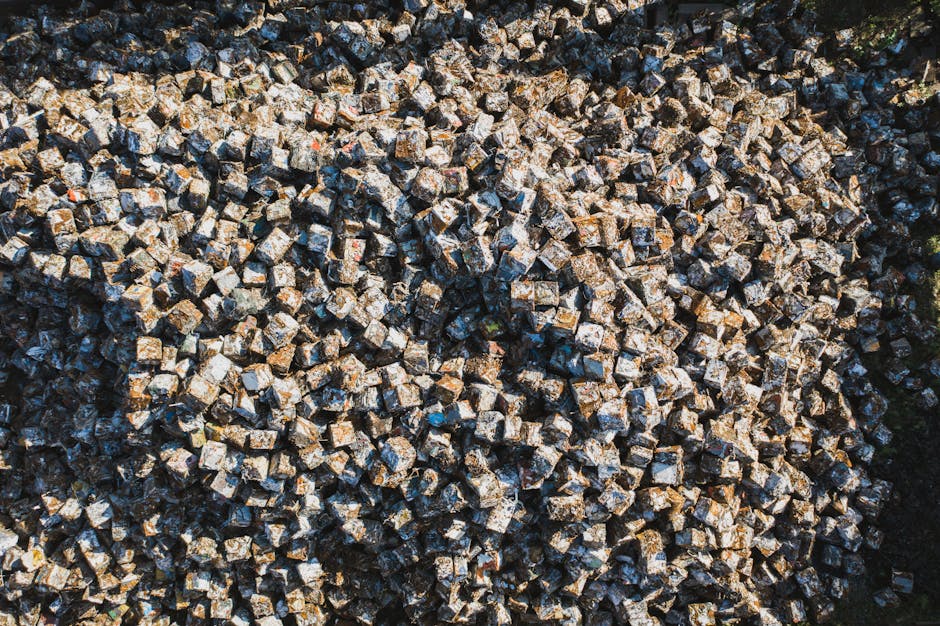

Understanding the current carbide scrap price is essential for industrial workshops, machine shops, and metal recyclers looking to maximize their returns on tungsten carbide inserts, end mills, and drill bits. Unlike common commodities, tungsten carbide is a high-value industrial asset that requires precise grading to determine its true market worth. Whether you are managing waste from high-precision engineering or dealing with bulk industrial clearing, knowing how to value these materials prevents significant profit leakage. In the broader Australian metal market, traders often compare these values against the Stainless Steel Scrap Price to understand the relative strength of specialty alloys. Our platform, Scrap Trade, provides the data-backed insights needed to navigate these complex valuations effectively.
The Mechanics of Carbide Scrap Price Determination
The carbide scrap price is not a static figure; it is a dynamic reflection of global tungsten supply, geopolitical stability in mining regions, and the industrial demand for virgin tungsten. Tungsten is a critical raw material for the aerospace, automotive, and oil and gas sectors. When global manufacturing output increases, the demand for carbide tools rises, subsequently pushing up the scrap value. Conversely, when manufacturing slows, the price per kg of scrap carbide may soften. Market participants must monitor the London Metal Exchange (LME) and specific tungsten concentrate indices to forecast trends. For those involved in the broader recycling sector, understanding How To Price Scrap For Export Markets is vital when dealing with high-volume carbide shipments. Furthermore, local Australian market rates are heavily influenced by domestic logistics costs and the strength of the AUD against the USD, as most tungsten pricing is denominated in US dollars. Traders should always check the latest Australian metal market updates to ensure they are receiving a fair market rate for their inventory.
Understanding Carbide Grades and Purity
Tungsten carbide is rarely pure; it is almost always bound with cobalt to provide the necessary toughness for industrial cutting applications. The ratio of tungsten to cobalt is the primary driver of the carbide scrap price. High-grade carbide, such as that used in precision milling or aerospace machining, often contains a lower percentage of cobalt binder, making it more valuable. Contamination is the enemy of profit. Materials like steel shanks, brazed carbide, or mixed metal contaminants will significantly downgrade the value of your scrap. For instance, a solid carbide drill bit is worth substantially more than a brazed carbide tip attached to a steel shaft. Proper sorting at the source is the most effective way to ensure you receive the highest possible price per kg. If you are also managing other metal waste, it is helpful to reference the Aluminum Scrap Price In 2026 to understand how different metal categories are projected to perform in the coming years. For more granular details on current market conditions, visit our comprehensive resource on Scrap Carbide Price: Current Rates & Recycling Tips.
The Environmental and Economic Impact of Recycling
Recycling tungsten carbide is an environmental imperative. Tungsten mining is energy-intensive and often involves significant land disturbance. By recovering tungsten from scrap, the industry reduces the need for virgin ore extraction, saving massive amounts of electricity and water. From an economic perspective, secondary production of tungsten is significantly cheaper than primary extraction. This circular economy model supports the long-term viability of the manufacturing sector. When businesses treat their scrap as a revenue stream rather than waste, they contribute to a more sustainable industrial ecosystem. Furthermore, the recycling process—which involves chemical leaching or zinc reclamation—allows for the near-total recovery of tungsten, which can then be repurposed into new tools, automotive components, or even specialized heavy alloys. This efficiency is why the scrap market remains a robust pillar of the Australian economy, even when primary commodity prices fluctuate.
Logistics and Best Practices for Selling Carbide
To secure the best price, logistics and presentation matter. Large-scale industrial suppliers should invest in magnetic separators to ensure their carbide is free from ferrous contamination. Packaging should be secure to prevent loss during transit, and documentation must be precise. When dealing with large volumes, it is often beneficial to work with specialized refineries that have the equipment to perform X-ray fluorescence (XRF) analysis on-site. This technology provides an instant, accurate reading of the material’s composition, removing any guesswork from the transaction. Always request a settlement report that breaks down the weight, the grade, and the specific market index used to calculate the final payment. Being transparent with your buyers about the origin of your scrap—such as confirming it came from high-speed steel or specific aerospace-grade tooling—can also help in negotiating a premium rate. By maintaining a clean, sorted inventory, you position yourself as a reliable supplier, which is the best way to ensure long-term profitability in the volatile world of metal recycling.
The Future of Carbide Recycling in Australia
As the Australian manufacturing landscape shifts toward high-tech, automated production, the volume of high-quality carbide scrap is expected to grow. This growth presents a significant opportunity for businesses to optimize their waste management strategies. We are seeing a trend where more workshops are integrating scrap collection directly into their production workflows. By separating carbide at the machine, companies avoid the costs associated with post-process sorting. Additionally, as global supply chains become more complex, the ability to source high-quality secondary raw materials locally will become a competitive advantage. The integration of digital tracking and blockchain in the scrap industry is also on the horizon, promising greater transparency in the pricing of materials. Staying informed about these technological shifts will be critical for anyone looking to capitalize on the carbide scrap price in the years to come. By treating scrap as a strategic asset, Australian businesses can turn a traditional expense into a consistent revenue stream, supporting both their bottom line and the national push toward a circular economy.
Scaling Your Scrap Operations
For businesses looking to scale, the key is consistency. Establishing a long-term relationship with a reputable buyer is far more profitable than chasing the highest spot price for a single load. A reliable partner will offer consistent pricing, fair grading, and timely payments, which are the hallmarks of a successful scrap procurement strategy. Consider implementing a ‘scrap-first’ policy in your workshop, where every employee is trained to identify and segregate carbide tools. This culture of precision pays dividends over time. Furthermore, keep an eye on international trade policies, as these can impact the export of refined tungsten powders, which in turn affects the demand for domestic scrap. By staying proactive, informed, and organized, you can ensure that your scrap operations are not just a side-hush, but a well-oiled component of your business’s financial strategy. Always remember that the value of your scrap is directly tied to the quality of your sorting and the accuracy of your market data.
Frequently Asked Questions
What is the primary factor that influences the price of carbide scrap?
The primary factor is the tungsten content and the percentage of cobalt binder. Higher purity tungsten with minimal contamination from steel or other metals commands the highest market rate.
How can I ensure I get the best price for my carbide scrap?
You can maximize your returns by meticulously sorting your scrap to remove all steel shanks, brazing, and other contaminants. Selling in bulk and working with a reputable buyer who uses XRF analysis will also ensure you receive a fair, market-based settlement.
Why is tungsten carbide recycling environmentally important?
Recycling tungsten carbide significantly reduces the need for energy-intensive primary mining and processing of tungsten ore. It supports a circular economy by reclaiming valuable metals that would otherwise end up in landfills, reducing the overall carbon footprint of the manufacturing industry.
Does the price of carbide scrap change daily?
Yes, the price of carbide scrap is subject to daily market fluctuations based on global tungsten demand, currency exchange rates, and the overall health of the manufacturing sector. It is recommended to check current market rates frequently before finalizing a sale.