
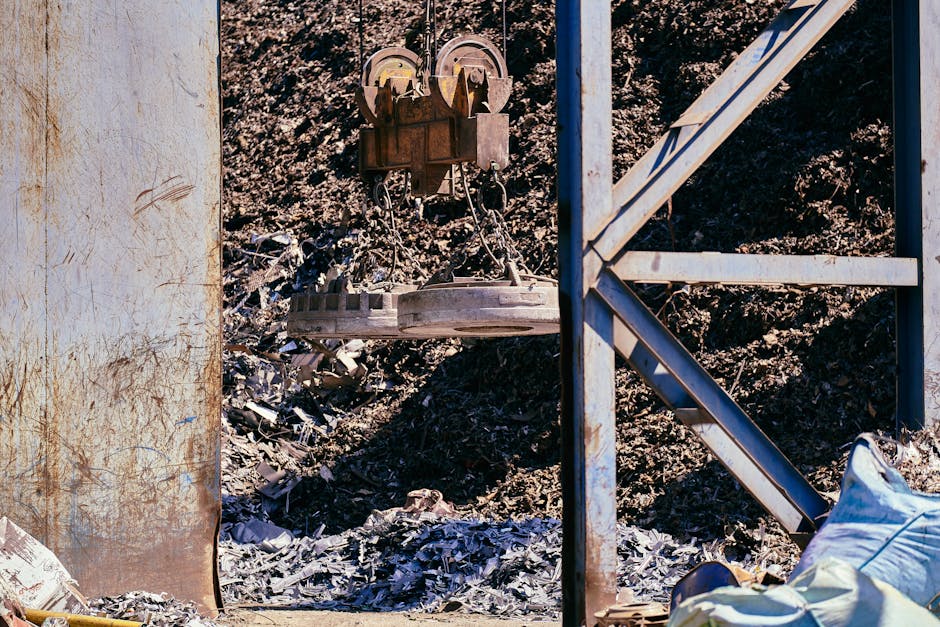

Understanding the current scrap stainless steel price is essential for anyone involved in industrial waste management, demolition, or metal fabrication. Unlike common ferrous metal or mild steel, stainless steel is a high-value alloy primarily valued for its chromium and nickel content. Because these alloying elements are traded on the London Metal Exchange (LME), the value of your scrap is inherently tied to global commodity markets. When you are looking to optimize your returns, it is vital to understand that the price is not static; it shifts daily based on supply chain logistics, manufacturing demand, and the specific chemical composition of the material you are recycling. For a detailed breakdown of current market rates, consult our Stainless Steel Scrap Price resource, which tracks real-time fluctuations.
The Mechanics of Scrap Stainless Steel Valuation
The valuation of stainless steel is significantly more complex than that of basic scrap steel. While a generic scrap steel price per kg is often dictated by local volume and regional transport costs, stainless steel valuation relies on the ‘surcharge’ mechanism. Manufacturers and recyclers use this to account for the volatile costs of raw nickel, chromium, and molybdenum. If you are preparing to offload large quantities of material, you must be aware of the specific grades you hold, as the difference between 304 and 316 can represent a substantial margin in your final payout. To ensure you are getting the best deal, follow our expert advice on the Stainless Scrap Price How To Sell Stainless Steel Scrap For Maximum Profit guide. The market effectively pays for the metallic value contained within the scrap, meaning that clean, non-contaminated loads will always command a premium compared to mixed or dirty scrap.
Distinguishing Between 304 and 316 Stainless Steel
In the Australian market, the two most common grades you will encounter are 304 and 316. 304 stainless steel, often referred to as ’18/8′ due to its 18% chromium and 8% nickel content, is the industry standard for kitchen equipment, architectural cladding, and general fabrication. However, 316 stainless steel contains molybdenum, which provides superior corrosion resistance, particularly in marine environments or chemical processing plants. Because of this added element, the Stainless Steel 316 Scrap Price Guide | Market Analysis & highlights why this grade consistently trades higher than 304. Sellers often make the mistake of mixing these grades, which results in the entire batch being downgraded to the lower price point. Using a handheld XRF (X-ray fluorescence) analyzer or a simple magnet test—while not foolproof—can help you segregate your piles. Remember, 304 and 316 are both non-magnetic, but if a magnet sticks, it is likely a lower-grade ferritic stainless or carbon steel, which will significantly reduce your return.
Factors Influencing the Market and Pricing
Several macroeconomic factors dictate the scrap stainless steel price. First, the LME nickel price is the primary driver. When nickel prices spike due to geopolitical instability or mining supply constraints, stainless steel scrap values follow suit almost immediately. Second, domestic demand in Australia for recycled content in new construction projects plays a role. As the construction industry pushes for greener certifications, the demand for high-quality recycled stainless steel has risen, providing a stable floor for prices. Third, the cost of logistics—specifically the cost of moving heavy metal to processing facilities—impacts the ‘gate price’ offered by scrap yards. If you are selling at scale, you must account for transport costs, which can often be offset by working with a reputable partner like Scrap Trade Australia to streamline your collection process. Finally, the purity of your scrap is paramount; contaminants like plastic, rubber, or other non-metallic materials increase the processing cost for the recycler, leading to lower offers for your material.
Recycling Processes and Environmental Impact
Recycling stainless steel is one of the most efficient industrial processes for reducing carbon footprints. Unlike many materials that lose integrity after repeated cycles, stainless steel is 100% recyclable without any loss of quality. The process begins with the collection and sorting of scrap, followed by shredding or shearing to reduce volume. Once processed, the scrap is melted in an Electric Arc Furnace (EAF). This method is significantly more energy-efficient than producing virgin steel from iron ore. By recycling, you are effectively closing the loop, reducing the need for destructive nickel mining and energy-intensive refining. Every tonne of recycled stainless steel saves thousands of litres of water and prevents significant CO2 emissions. For those interested in the broader context of metal recycling, our Scrap Steel Price Per Kg A Complete Guide For Sellers provides a deep dive into how these environmental benefits translate into economic incentives for sellers.
Strategic Tips for Maximizing Scrap Returns
To maximize your scrap stainless steel price, preparation is everything. Start by segregating your metals at the source. If you are a fabricator, keep your stainless offcuts in dedicated bins, away from mild steel or aluminium. Even a small amount of carbon steel contamination can ruin a whole bin of high-grade 316. Next, clean your material. Remove any attachments, such as rubber gaskets, plastic handles, or heavy paint, as these are considered ‘tare’ and will be deducted from your total weight. Timing is also critical; if you have the storage space, hold onto your scrap during market dips and sell when global nickel prices are trending upward. Always maintain a relationship with your local yard manager. They are often willing to offer better rates for consistent, high-quality, and pre-sorted loads. By positioning yourself as a reliable supplier of clean scrap, you move from being a casual seller to a preferred partner, which can often result in ‘above-market’ pricing for your material.
Future Trends in the Australian Metal Market
The Australian scrap industry is currently undergoing a digital transformation. We are seeing increased transparency in pricing, with more yards providing live data feeds. As the global economy shifts toward a circular model, the value of ‘urban mining’—extracting metal from retired infrastructure—is becoming a cornerstone of the domestic economy. We expect to see more stringent regulations regarding the sourcing of scrap, which will favour those who can provide clear documentation of their material’s origin. Furthermore, as Australia expands its renewable energy infrastructure, the demand for high-grade stainless steel for wind turbines and hydrogen storage will likely keep the floor price for high-quality scrap elevated. Staying informed about these trends is not just about profit; it is about ensuring that your business remains sustainable in a rapidly changing regulatory environment. By leveraging the resources available at Scrap Trade, you can stay ahead of these market shifts and ensure you are always maximizing the value of your scrap inventory.
Conclusion: The Value of Expert Knowledge
Mastering the market for stainless steel is a strategic advantage. Whether you are dealing with small quantities of offcuts or massive demolition projects, the principles remain the same: grade accuracy, cleanliness, and market timing are the keys to success. The scrap stainless steel price is a reflection of global industrial health, and by engaging with the market intelligently, you can turn your waste into a significant revenue stream. Always prioritize safety and environmental responsibility in your handling processes, and never hesitate to ask your scrap dealer for clarification on their grading criteria. With the right approach and the right partners, you can ensure that your scrap metal operations are both profitable and sustainable for the long term.
Frequently Asked Questions
Why is 316 stainless steel worth more than 304?
316 stainless steel contains molybdenum, an alloying element that provides superior corrosion resistance. This makes it more valuable and expensive to produce, which is reflected in higher scrap market prices.
How can I tell if my scrap is stainless steel or just steel?
The most common method is the magnet test. Most high-grade stainless steels (like 304 and 316) are non-magnetic, whereas mild steel is strongly magnetic. However, some lower-grade ferritic stainless steels can be magnetic, so professional testing is recommended.
Does the price of scrap stainless steel change daily?
Yes, scrap prices are highly volatile and fluctuate based on the London Metal Exchange (LME) prices for nickel and chromium. Local scrap yards typically adjust their buying prices weekly or even daily to reflect these global market shifts.
What is the best way to prepare stainless steel for sale?
To get the best price, you should clean the material of all non-metallic contaminants like plastic, rubber, wood, or grease. Additionally, sorting your stainless steel by grade (e.g., keeping 304 separate from 316) ensures you aren’t paid at the lower rate of a mixed batch.