
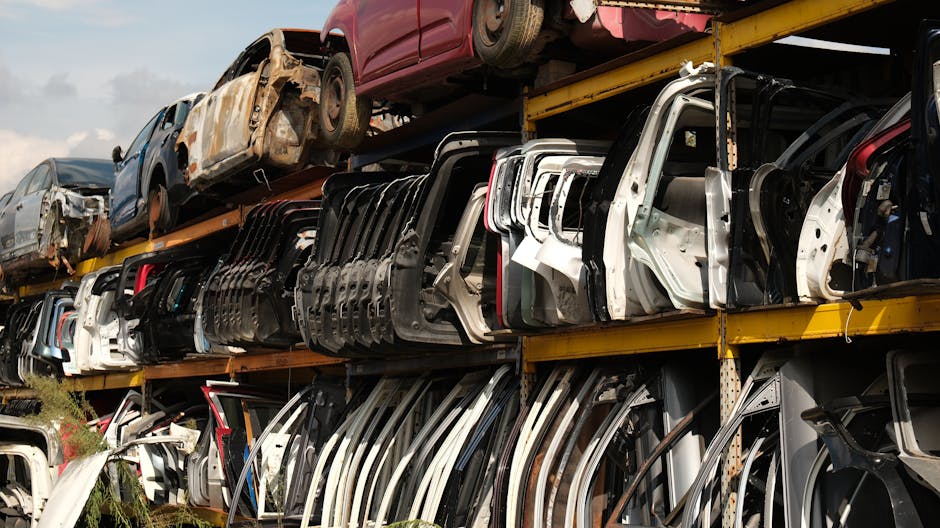

If you are wondering how to manage my scrap car, you are not alone. Across Australia, thousands of vehicles reach the end of their functional life every year. Navigating the world of automotive recycling can seem daunting, but understanding the value of your vehicle is the first step toward a responsible and profitable disposal. Whether you are looking for a scrap car app to manage the process or simply want to understand the logistics, this guide provides the professional insight you need.
Understanding the Lifecycle of an End of Life Vehicle (ELV)
An End of Life Vehicle (ELV) is defined as a vehicle that is no longer roadworthy, has been written off, or is simply too expensive to repair. In Australia, the automotive recycling industry is a sophisticated sector that prioritizes the recovery of materials. When you decide to sell your vehicle, it enters a structured process. First, the vehicle is drained of all hazardous fluids, including engine oil, transmission fluid, coolant, and brake fluid. These are treated according to strict environmental regulations.
Once the vehicle is ‘depolluted,’ high-value auto parts are removed for resale. These include alternators, starters, engines, and gearboxes. This is where the expertise of car wreckers becomes essential. By salvaging these components, the industry reduces the need for new manufacturing, which is energy-intensive. After the parts are stripped, the remaining frame is crushed and shredded into high-quality scrap metal. If you are curious about the broader industry context, you can read more about What Is Scrap Trade to understand how your vehicle fits into the global commodities market.
Categorizing Scrap Metal Grades in Vehicles
To maximize your return when you Sell Scrap, it is vital to understand that not all metal is created equal. Vehicles are complex mixtures of materials. Ferrous metals, which contain iron, make up the bulk of the chassis and body panels. These are typically sold as ‘prepared’ or ‘unprepared’ scrap depending on whether the vehicle has been stripped of non-metallic materials like plastic and glass.
Non-ferrous metals are where the real value lies. Aluminium, for instance, is found in engine blocks, wheels, and interior trim. Copper is found in the extensive wiring harnesses that run throughout the vehicle. Because copper is a high-demand commodity, professional recyclers will prioritize its recovery. Understanding these grades is essential when you look for where can i sell my car for scrap near me, as facilities that specialize in high-grade separation will often offer better rates than general car yards.
The Environmental Imperative of Vehicle Recycling
The environmental impact of abandoning a vehicle is severe. Fluids can leach into groundwater, and heavy metals can contaminate soil. By choosing professional vehicle recycling, you are preventing these toxins from entering the ecosystem. Furthermore, the energy savings are immense. Recycling steel uses approximately 75% less energy than producing steel from virgin iron ore. By participating in this circular economy, you are directly contributing to a reduction in carbon emissions.
Beyond steel, the recycling of plastics, rubber, and glass from vehicles is becoming more efficient. Modern shredding technology allows for the separation of these materials, which are then repurposed into new products. This is the core of the scrap metal trading platform mission, which aims to provide transparency and efficiency for every participant in the supply chain. When you choose to recycle, you are supporting a sustainable future for Australia.
How to Maximize Value When You Sell Your Car
Getting the best price for your vehicle requires a bit of preparation. First, remove any personal belongings. Second, ensure that you have the necessary documentation, such as the title or proof of ownership, as reputable buyers will always require this. If you are dealing with a professional recycler, they will often provide a valuation based on the current weight of the vehicle and the local market price for scrap.
It is also beneficial to check if your vehicle has any rare, high-value components that might be sought after by collectors. Some older models have parts that are no longer manufactured, making them valuable to enthusiasts. By identifying these before you hand over the keys, you can negotiate a better price. For those who want to track prices in real-time, visiting Scrap Trade Australia provides the data necessary to make informed decisions about your local scrap market.
The Role of Technology in Modern Scrap Trading
The scrap industry has undergone a digital transformation. Gone are the days of guessing the value of your vehicle. Today, digital platforms allow users to upload vehicle details and receive competitive quotes instantly. These tools have democratized the industry, ensuring that individuals receive fair market value for their assets. Whether you are a private owner or a business, using a dedicated platform ensures that your transaction is secure, transparent, and compliant with all legal requirements.
These platforms also provide essential data on market trends. By monitoring the fluctuations in the price of steel, aluminium, and copper, you can choose the optimal time to dispose of your vehicle. This level of market intelligence was once reserved for large-scale industrial players, but it is now accessible to everyone. The integration of logistics and recycling data ensures that the carbon footprint of transporting your vehicle to the recycling centre is also minimized.
Regulatory Compliance and Safety in Australia
Australia has stringent laws regarding the disposal of vehicles. It is illegal to dump a vehicle on public or private land. Furthermore, recycling facilities must be licensed to handle hazardous waste. When you choose to use a professional service, you are ensuring that your vehicle is processed in accordance with the Environment Protection Authority (EPA) guidelines. This includes the proper disposal of lead-acid batteries, which contain toxic lead and sulfuric acid.
Safety is the primary concern for any professional wrecker. The process of dismantling a vehicle involves heavy machinery and hazardous materials. By using a certified facility, you protect yourself from liability. If you are ever unsure about the legitimacy of a recycler, check for their business registration and environmental permits. A professional operator will always be happy to provide this information, as it validates their commitment to safe and ethical practices.
The Future of Circular Economy in Automotive
As the automotive industry shifts toward electric vehicles (EVs), the recycling landscape is changing. EV batteries contain valuable minerals like lithium, cobalt, and nickel. These are critical resources that must be recovered. The current infrastructure is rapidly evolving to handle these high-tech components, ensuring that the next generation of transport is also sustainable. Your participation in the current scrap market helps fund the development of these advanced recycling technologies.
The shift toward a circular economy is not just a trend; it is a necessity. By treating vehicles as a ‘mine’ of raw materials rather than ‘waste,’ we can significantly reduce our reliance on resource extraction. Every time you recycle, you are helping to close the loop, turning an end-of-life asset into the building blocks for future infrastructure. This is the ultimate goal of the scrap trade, and it is a process that benefits everyone from the individual seller to the global environment.
Practical Tips for Preparing Your Scrap Vehicle
Before handing over your vehicle, take a few moments to ensure the process goes smoothly. Check the vehicle for any remaining fuel, as some recyclers may require it to be drained. Ensure that you have cleared out all personal data from the vehicle’s infotainment system, including saved contacts and navigation history. If you are selling the vehicle to a wrecker, ask if they offer towing services, as this can save you significant time and effort.
Finally, keep a record of the transaction. Even if the vehicle is being scrapped, having a receipt or a certificate of destruction is important for your records. This documentation proves that you have disposed of the vehicle legally and correctly. By following these simple steps, you can ensure that the process of disposing of your vehicle is efficient, profitable, and environmentally sound.
Frequently Asked Questions
Related: Scrap
Frequently Asked Questions
How is the value of my scrap car determined?
The value is primarily based on the current market price of the metals contained in the vehicle, particularly steel, aluminium, and copper. Factors such as the vehicle’s weight, the presence of reusable auto parts, and the current demand for specific metals also influence the final quote.
Do I need to remove the battery before scrapping my car?
While not always required, it is often helpful to notify the recycler if the battery is intact. Lead-acid batteries are hazardous and must be handled separately from the main scrap metal, so professional recyclers have specific protocols to manage them safely.
What happens to the fluids in my scrap car?
Professional recyclers drain all fluids—including oil, coolant, and brake fluid—into sealed containers. These are then processed by specialized waste management companies to ensure they do not contaminate the soil or water supply.
Is it better to sell parts individually or scrap the whole car?
Selling parts individually can yield more money but requires significant time, mechanical knowledge, and storage space. Scrapping the whole car is a fast, convenient, and reliable way to dispose of the vehicle while still receiving a fair market price for the raw materials.