
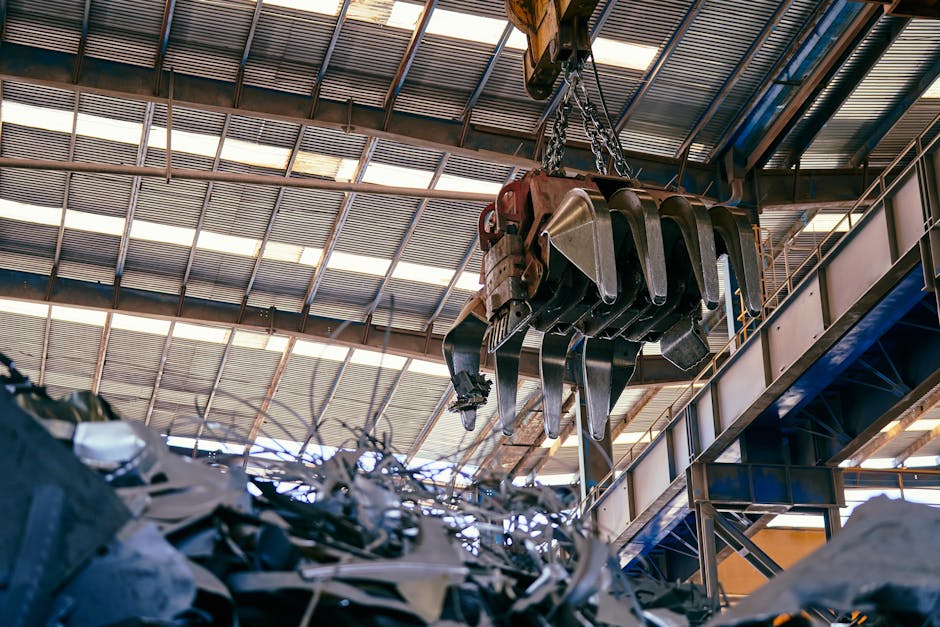

Understanding iron scrap prices is the cornerstone of a profitable metal recycling strategy for Australian businesses and individuals alike. Whether you are clearing a construction site or managing industrial waste, the value of your ferrous scrap is dictated by a complex interplay of global economic forces and local logistical realities. By staying informed on the Scrap Metal Prices, you can ensure that you are receiving a fair market rate for your heavy metals. Ferrous scrap, which includes iron and steel, constitutes the vast majority of the global recycling market, and mastering the nuances of these commodity fluctuations is essential for maximizing your returns.
The Mechanics of Iron Scrap Prices in Australia
The Australian scrap market operates as a satellite to global steel production hubs, primarily in Asia. When you investigate iron scrap prices, you are essentially tracking the demand for raw steel production. The price per kg is rarely static; it shifts daily based on the London Metal Exchange (LME) and regional supply-demand imbalances. To get the most accurate data, many professionals use industry-leading scrap metal tracking tools to monitor real-time trends. When demand for construction steel in China or Southeast Asia spikes, Australian exporters increase their intake, which inevitably pushes up the price per kg offered at local yards. Conversely, when global inventories are high, local yards may lower their buying rates to account for the increased cost of holding and shipping material. Factors such as the Australian Dollar (AUD) exchange rate also play a critical role, as most international metal transactions are settled in USD. A stronger AUD often means that local exporters receive less in their domestic currency, which can suppress local buying prices. Understanding these macroeconomic levers helps sellers time their sales for maximum profitability. For those looking for immediate local data, checking Scrap Metal Prices Near Me is the best way to determine the current local market rate before you transport your material.
Categorizing Ferrous Scrap: Grades and Their Value
Not all iron is created equal. To command the best iron scrap prices, you must understand how recyclers grade your material. The most common category is ‘Ferrous Scrap,’ which refers to any metal that contains iron and is magnetic. Within this category, grades are strictly enforced to ensure the efficiency of the smelting process.
- Heavy Melting Steel (HMS): This is the gold standard of ferrous scrap. It consists of thick, structural steel, such as beams, plates, and heavy machinery parts. Because it is dense and requires minimal processing, it commands the highest price per kg.
- Cast Iron: Often found in engine blocks, old pipes, and heavy industrial machinery, cast iron is brittle and high in carbon. It is highly sought after for specialized foundries, though its price fluctuates based on the specific purity of the cast.
- Light Gauge/Sheet Metal: This includes car bodies, appliances, and thin roofing iron. Because it has a high surface-area-to-volume ratio, it is more expensive to process and transport, resulting in lower market rates compared to HMS.
- Turnings and Borings: These are the shavings produced during machining processes. They are often contaminated with cutting oils, which makes them more difficult to recycle and therefore less valuable.
Properly segregating your scrap on-site is a practical tip that can significantly increase your payout. Mixing low-grade sheet metal with high-grade structural steel often results in the entire load being downgraded to the lowest common denominator. By keeping your grades separate, you demonstrate professionalism and ensure you are paid the correct rate for each specific type of metal. You can find more detailed breakdowns on Scrap Iron Prices in Australia: Market Value, Pricing Factors & to refine your sorting strategy.
Factors Influencing Metal Prices Today
Beyond global demand, several logistical factors influence the price you receive at the gate. The most significant factor is the cost of transport. Because iron is heavy and bulky, the distance between your collection point and the nearest processing facility is a major overhead cost. If you have a high volume of material, many yards will offer collection services, but they will deduct the cost of transport from the total payout. This is why it is often more cost-effective to consolidate your scrap over time rather than making frequent, small drops. Another factor is the ‘cleanliness’ of your material. If your iron scrap is heavily contaminated with plastic, rubber, wood, or non-ferrous metals like copper or aluminum, the recycler must spend time and energy cleaning it. This labor cost is passed on to you in the form of a lower price per kg. To get the best Scrap Prices, ensure your material is as clean as possible. Removing non-metallic attachments before arrival can sometimes move your load from a ‘mixed’ grade to a ‘premium’ grade, providing a significant boost to your bottom line. Additionally, market volatility means that metal prices today can be vastly different from what they were last week. Keeping a close eye on industry news and local yard updates is vital for anyone dealing in large volumes of ferrous material. For those operating across different states, visiting professional metal trading platforms can provide a broader view of regional price variations.
The Environmental and Economic Impact of Recycling
Recycling iron is not just a financial decision; it is an environmental imperative. The production of virgin steel from iron ore is an energy-intensive process that requires massive amounts of coal and produces significant carbon emissions. By contrast, recycling ferrous scrap uses up to 75% less energy than producing new steel from raw ore. This massive energy saving makes scrap metal a critical component of the circular economy. Every tonne of recycled steel saves over a tonne of iron ore, 600kg of coal, and 150kg of limestone. From an economic perspective, the Australian recycling industry is a major employer and a key contributor to the national GDP. When you choose to recycle your iron rather than sending it to a landfill, you are supporting a domestic industry that turns waste into a valuable resource. Furthermore, as the world moves toward net-zero targets, the demand for recycled steel is expected to grow. This long-term trend suggests that the strategic value of iron scrap will remain high. For businesses, implementing a robust scrap management plan is a clear indicator of corporate social responsibility. It demonstrates a commitment to sustainable practices that is increasingly valued by consumers and regulators alike. By participating in the market, you are helping to reduce the environmental footprint of the global construction and manufacturing sectors.
Optimizing Your Scrap Collection Strategy
To maximize your returns, you need a proactive collection strategy. Start by designating a specific area on your site for scrap storage. Use clearly labeled bins to separate different grades of iron. This prevents cross-contamination and makes the loading process faster. If you are a business, consider establishing a long-term relationship with a reputable local recycler. Yards often provide better service, better pricing, and more reliable collection schedules to regular, high-volume clients. When negotiating, be transparent about the volume and quality of the material you have. If you have a large quantity of HMS, don’t be afraid to ask for a premium price. If you are unsure about the current market value, use resources to compare the Scrap Prices across multiple vendors in your area. Remember that price is not the only factor; reliability, payment terms, and the availability of weighing scales that you can trust are equally important. Always ensure that the recycler is compliant with local environmental regulations. A reputable recycler will provide you with weight tickets and clear documentation for every transaction. This level of transparency is essential for your own accounting and ensures that your scrap is being handled in an environmentally responsible manner. By treating scrap management as a formal part of your business operations, you can turn what was once considered ‘waste’ into a consistent revenue stream.
Future Trends in the Ferrous Market
The future of the iron scrap market is being shaped by technological innovation and shifting global policies. We are seeing increased investment in automated sorting technologies, such as X-ray fluorescence (XRF) and advanced optical sensors, which allow recyclers to sort metals with unprecedented speed and accuracy. These technologies are reducing the cost of processing, which may lead to more stable and potentially higher prices for high-quality scrap. Furthermore, the global push for ‘green steel’—steel produced using hydrogen or renewable energy—is creating a new demand for high-purity scrap. As steelmakers transition away from coal-based blast furnaces to electric arc furnaces (EAFs), the need for high-quality, low-impurity scrap will only increase. This shift is likely to benefit those who can supply clean, well-sorted material. As an Australian seller, keeping up with these global shifts will give you a competitive edge. The market is becoming more specialized, and those who understand the specific needs of modern steelmakers will be the ones who command the highest prices. Stay informed, keep your material clean, and continue to monitor the market to ensure you are always getting the best value for your iron.
Related: Scrap Prices
Frequently Asked Questions
What is the biggest factor affecting iron scrap prices?
The biggest factor is the global demand for steel, primarily driven by industrial production in major economies. Local factors like transportation costs, the Australian Dollar exchange rate, and the purity of your scrap also play significant roles.
How can I get the best price for my iron scrap?
To get the best price, ensure your scrap is clean, free of contaminants like plastic or wood, and properly sorted by grade. Consolidating your material to reduce transport costs and building a relationship with a local, reputable yard will also help maximize your returns.
Does it matter if my iron is rusty?
Surface rust is generally acceptable for most ferrous scrap grades, as it is removed during the melting process. However, excessive corrosion that significantly reduces the weight or structural integrity of the metal may lead to it being downgraded to a lower-value category.
Why is it important to separate different types of metal?
Separating metals ensures that you are paid the correct market rate for each grade. Mixing high-value structural steel with low-value light gauge metal often results in the entire load being priced at the lower rate, significantly reducing your profit.