

Navigating the fluctuating landscape of scrap steel prices per ton requires a deep understanding of both local Australian market conditions and global industrial trends. As the backbone of the construction and manufacturing sectors, steel remains the most recycled material on the planet, yet its value is rarely static. Whether you are a demolition contractor, an industrial manufacturer, or a private seller, knowing how to interpret current market fluctuations is essential for maximizing your return on investment.
Understanding the Drivers of Scrap Steel Prices Per Ton
The valuation of steel scrap is not arbitrary; it is a complex calculation influenced by a variety of macroeconomic factors. When you research scrap steel prices per ton, you are looking at a snapshot of a global supply chain. The primary driver is the demand for new steel production. When global construction projects increase, the demand for iron ore and recycled steel rises, pushing prices upward. Conversely, economic slowdowns or oversupply in the manufacturing sector can lead to a softening of market rates.
Regional logistics play a significant role in Australia. Because our country is vast, the cost of transporting heavy scrap metal to processing facilities or ports for export significantly impacts the net price paid to the supplier. Facilities closer to major shipping hubs or steel mills typically offer higher rates because the overhead costs of logistics are lower. Furthermore, the currency exchange rate between the Australian Dollar (AUD) and the US Dollar (USD) is critical, as most global metal trading is denominated in USD. A strong AUD can sometimes make exports less competitive, while a weaker dollar can boost the attractiveness of Australian scrap to international buyers.
How Scrap Metal Prices are Set in Australia
To truly understand the value of your materials, you must look at how Scrap Metal Prices are benchmarked. Most recycling platforms and scrap yards rely on the London Metal Exchange (LME) or similar international indices for base metal values. However, steel is unique because it is an alloy rather than a pure element. Therefore, prices are often set based on the purity and the chemical composition of the steel.
For those looking for clarity, our scrap metal trading platform provides real-time data to help you navigate these shifts. It is also helpful to consult resources on scrap metal prices steel to understand the nuances between different grades. When a yard quotes a price, they are factoring in the cost of sorting, processing (shearing or shredding), and the potential yield of usable metal once contaminants are removed. This is why clean, sorted scrap always commands a higher price than mixed loads.
Categorizing Scrap: Grades and Their Impact on Value
Not all steel is created equal. In the recycling industry, steel is categorized into specific grades, each with its own price point. Understanding these categories is the first step in ensuring you receive fair compensation.
- Heavy Melting Steel (HMS): This is the industry standard for recycled steel. HMS 1 and 2 are the most common classifications, representing structural steel, plates, and beams. Because of its density and low contamination levels, it is highly sought after by mills.
- Mild Steel: Often found in construction, this low-carbon steel is easy to recycle and highly versatile. It is one of the most common materials traded in the Australian market.
- Sheet Metal: This refers to thin, flat pieces of metal. While useful, it is often less dense than structural steel and may require more processing, which can lead to a lower price per kg compared to heavy structural components.
- Stainless Steel: While technically a different category, it is vital to check the Stainless Steel Scrap Price separately, as it contains nickel and chromium, which significantly increase its value compared to carbon steel.
By keeping track of Scrap Prices, you can identify when to hold or sell your inventory. If you are dealing with large volumes, sorting your materials into these distinct grades before arriving at a yard can significantly increase your total payout.
The Mechanics of Steel Recycling
The recycling process is a marvel of industrial efficiency. Once scrap steel is collected, it undergoes a rigorous transformation process to become a raw material for new products. Initially, the metal is inspected and sorted. Advanced technology, such as X-ray fluorescence (XRF) analyzers, is often used to determine the exact chemical composition of the steel, ensuring that impurities like copper or tin are identified.
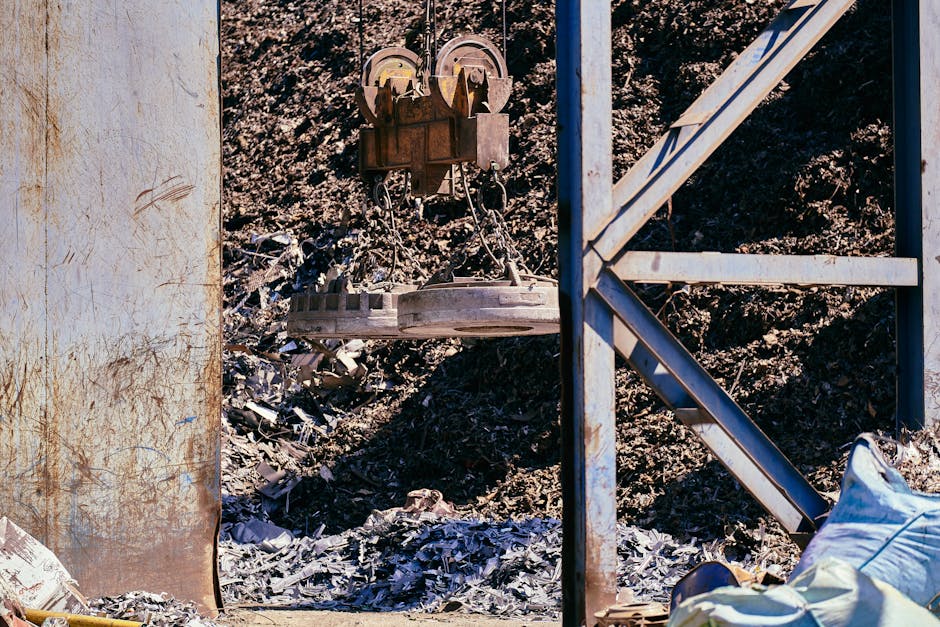
After sorting, the steel is processed. Large hydraulic shears cut structural beams into manageable sizes, while massive shredders break down smaller items like appliances and vehicles into “shredded scrap.” This material is then magnetically separated to remove non-ferrous contaminants. Finally, the scrap is melted in an Electric Arc Furnace (EAF). This process is far more energy-efficient than producing steel from virgin iron ore, which is why recycling is a pillar of the modern circular economy. For more detailed technical specifications on current market trends, you can visit our Australian scrap portal for regional updates.
Environmental Benefits of Steel Recycling
Recycling steel is one of the most effective ways to reduce industrial carbon footprints. Producing steel from virgin ore requires massive amounts of coal and energy, leading to significant greenhouse gas emissions. By contrast, recycling existing steel saves approximately 75% of the energy required for primary production. Furthermore, every ton of steel recycled saves over a ton of iron ore, 600kg of coal, and 50kg of limestone.
Beyond energy savings, steel recycling diverts millions of tons of waste from landfills every year. In Australia, where land management and sustainability are increasingly prioritized, the scrap metal industry acts as a vital environmental steward. By participating in the recycling loop, businesses and individuals are directly contributing to a reduction in mining activity and a more sustainable manufacturing future.
Practical Tips for Maximizing Your Returns
If you are looking to get the best possible scrap steel prices per ton, preparation is key. First, ensure your scrap is clean. Dirt, oil, concrete, and plastic attachments act as contaminants that force recyclers to deduct weight or lower the grade of your material. A “clean” load is always more valuable than a “dirty” one.
Second, timing is everything. While it is impossible to predict the market with 100% accuracy, watching for seasonal trends can help. For instance, construction activity often slows down during certain times of the year, which can impact demand. If you have the storage space, accumulating a larger load can also make transport costs more efficient, effectively increasing your net price per tonne. Always check the latest scrap metal steel prices per ton before finalizing your sale to ensure you are aligned with current market realities.
The Future of the Steel Market in Australia
The Australian scrap market is currently undergoing a transformation driven by automation and a push toward greener manufacturing. As global manufacturers face pressure to report their Scope 3 emissions, the demand for high-quality recycled steel is expected to grow. This shift will likely lead to more sophisticated pricing models that reward suppliers who provide high-purity, traceable scrap.
Furthermore, as Australia continues to invest in infrastructure, the availability of domestic scrap will increase. This creates a unique opportunity for local businesses to participate in a circular supply chain that keeps value within the country. Staying informed through reputable industry platforms is the best way to leverage these changes to your advantage.
Conclusion
Understanding scrap steel prices per ton is not just about checking a number; it is about understanding the global economy, material science, and the logistics of the recycling industry. By categorizing your scrap correctly, monitoring market trends, and ensuring your material is free from contaminants, you can ensure that you are getting the best value for your metal. Whether you are a small-scale recycler or a large industrial entity, the principles of quality, timing, and market awareness remain the same. As the world moves toward a more sustainable future, the role of scrap steel will only become more critical, making it a valuable asset for those who know how to manage it wisely.
Frequently Asked Questions
What is the difference between ferrous and non-ferrous metal prices?
Ferrous metals, like steel and iron, contain iron and are magnetic, generally trading at lower prices per kg than non-ferrous metals. Non-ferrous metals, such as copper, aluminium, and brass, are non-magnetic and typically command much higher market values due to their scarcity and specialized recycling processes.
How often do scrap steel prices change?
Scrap steel prices can fluctuate daily or weekly based on global market demand, shipping costs, and local supply. It is recommended to check current market data frequently if you are planning a large-scale sale.
Does the size of my scrap metal impact the price?
Yes, the size and preparation of your scrap metal impact the price. Large, oversized pieces may require extra processing costs, whereas pre-cut or sorted scrap is often more valuable to recyclers.
Why is my scrap steel considered ‘dirty’?
Scrap is considered ‘dirty’ if it contains non-metallic attachments like plastic, wood, concrete, or excessive rust and oil. These contaminants must be removed before the steel can be melted, which reduces the overall value of the load.