

If you are looking to Sell Aluminium Scrap Online – Pricing, Grades & Process, you have arrived at the definitive Australian resource for metal recycling. Aluminium is one of the most traded commodities in the circular economy, valued for its infinite recyclability and high demand across construction, automotive, and packaging sectors. Whether you are a trade contractor, a demolition professional, or an industrial manufacturer, understanding the nuances of the scrap market is the key to turning waste into profit.
The Economics of Aluminium: Why Recycling Matters
The global demand for aluminium is surging, driven by the transition to lightweight electric vehicles and sustainable building practices. When you recycle aluminium, you save approximately 95% of the energy required to produce primary aluminium from bauxite ore. This massive energy saving makes al recycling not just an environmental imperative, but a highly profitable business model. In Australia, the market is sophisticated, with prices fluctuating based on the London Metal Exchange (LME) and local supply-demand dynamics. To navigate this, you need to understand the Scrap Aluminium Market Guide Pricing Factors And How To Sell to ensure you are not leaving money on the table.
For those looking to streamline their operations, the ability to sell scrap online near me has transformed the industry. Instead of driving from yard to yard, digital platforms allow you to compare rates and secure a buyer before you even load your trailer. This shift toward digital transparency is essential for anyone serious about optimizing their scrap revenue. If you also handle other materials, you might find it useful to Sell Copper Scrap Online – Pricing Guide for Wire, Cable & Tubes as part of your broader recycling strategy.
Understanding Aluminium Grades and Quality
Not all aluminium is created equal. The price you receive is dictated by the alloy composition and the level of contamination. A professional scrap dealer will categorize your material into specific grades, each with a distinct market value. Understanding these grades is the first step in ensuring you get the best price for your collection.
- Aluminium Extrusion (6063): This is the gold standard for scrap. It includes window frames, door frames, and structural components. It is highly sought after because it is relatively pure and easy to remelt.
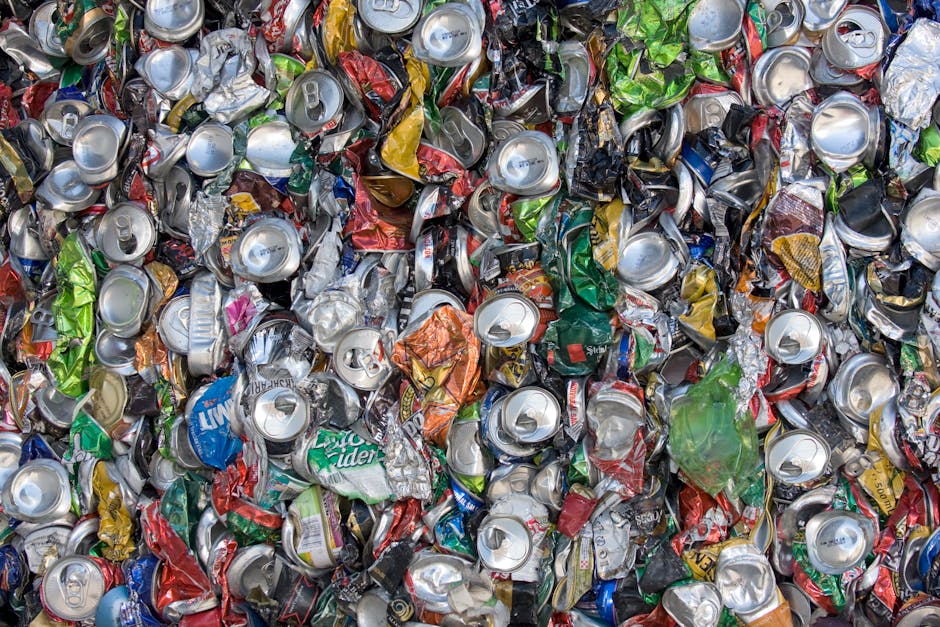
- Aluminium Cans (UBC – Used Beverage Cans): These are usually collected in high volumes. While the individual value per kilo is lower than extrusion, the consistency in alloy makes them a staple for large-scale recycling.
- Cast Aluminium: Found in engine blocks, gearboxes, and outdoor furniture. This grade often contains other metals like silicon or copper, which lowers its purity compared to extrusion.
- Aluminium Sheet/Mixed Scrap: This is a catch-all category for thinner gauge materials, siding, or offcuts. It is usually priced lower due to the higher potential for contamination.
- Aluminium Wire: Often found in electrical cabling. If the wire is clean and free of insulation, it commands a premium price.
When you prepare your scrap, ensure that you remove non-aluminium attachments like steel screws, plastic gaskets, or rubber seals. Contamination is the primary reason for price downgrades at the weighbridge. If you are dealing with mixed metals, it is worth noting that you can also Sell Ss304 Ss316 Scrap Mix Combined Grades Accepted Australia 2026 through verified channels.
How to Sell Aluminium Scrap Online – Pricing, Grades & Process
The process of selling scrap has moved beyond the traditional “drive and weigh” model. Today, you can manage your inventory and sales through Scrap.trade, a platform designed to connect sellers directly with verified buyers. To maximize your return when you Sell Aluminium Scrap Online – Pricing, Grades & Process, follow these steps:
- Sort and Segregate: Never mix your grades. A load of pure extrusion mixed with low-grade cast aluminium will be valued at the lowest common denominator.
- Clean Your Material: Remove all foreign materials. The cleaner your load, the higher the price per tonne.
- Check Current Pricing: Use the Australian scrap metal trading hub to monitor real-time trends.
- Get a Quote: Use digital tools to get a firm price before transport.
- Documentation: Keep records of your sales, including weight dockets and certificates of destruction if required for industrial compliance.
If you are still wondering about the best local options, researching a Scrap Yard Near Me How To Find The Best Scrap Yard Sell Scrap Online Smarter will provide you with the insight needed to select a partner who offers fair scales and prompt payment.
The Role of the Scrap Dealer and Logistics
A professional scrap dealer is more than just a buyer; they are a logistics partner. In Australia, the cost of transport often eats into the profit margin of scrap sales. This is why volume is critical. If you are a smaller operator, consider pooling your resources with other tradespeople to reach the tonnage required for a premium price. When you engage with a buyer, ask about their collection services. Many yards will provide bins or roll-on/roll-off skips for industrial sites, which simplifies the management of your scrap accumulation on-site.
Always verify the credentials of your buyer. In Australia, reputable dealers must comply with environmental regulations regarding the handling and processing of metal waste. Dealing with unlicensed operators can lead to legal complications and lower payouts. Look for members of the Australian Metal Recycling Industry Association (AMRIA) to ensure you are working with a legitimate business.
Environmental Impact and the Circular Economy
The environmental benefits of recycling aluminium are staggering. By choosing to recycle, you are actively reducing the need for destructive bauxite mining and the energy-intensive process of electrolysis required to create primary aluminium. Aluminium is unique because it can be recycled indefinitely without losing its structural integrity. This makes it a perfect material for the circular economy. Every tonne of recycled aluminium saves approximately 14,000 kilowatt-hours of electricity and reduces greenhouse gas emissions by up to 90% compared to primary production.
Furthermore, the recycling process supports local jobs and reduces the amount of waste sent to landfills. When you sell your scrap, you are contributing to a supply chain that keeps valuable resources in the loop, powering the next generation of infrastructure and technology. Your choice to recycle responsibly is a direct investment in a lower-carbon future.
Maximizing Your Cash for Scrap Returns
To ensure you get the most cash for scrap, timing is everything. While you cannot control the LME, you can control the quality and volume of your material. Here are expert tips to boost your returns:
- Build Relationships: If you are a regular supplier, talk to your buyer about volume-based pricing or long-term supply contracts.
- Avoid Peak Times: If a yard is overwhelmed, they may offer lower prices. Call ahead to see when they are quietest and when they can process your load most efficiently.
- Keep it Dry: Water weight can be a significant issue for some grades. Keep your scrap covered to ensure you are selling metal, not moisture.
- Understand the Market: Keep an eye on global trade tensions and energy prices, as these often correlate with aluminium price fluctuations.
By treating your scrap metal as a revenue stream rather than a waste management cost, you can significantly improve your business’s bottom line. The digital evolution of the industry means that the information you need to make smart decisions is now at your fingertips.
Conclusion: The Future of Metal Trading
As we look toward 2026 and beyond, the scrap metal industry in Australia is becoming more integrated and transparent. The ability to Sell Aluminium Scrap Online – Pricing, Grades & Process is no longer a luxury; it is a necessity for anyone looking to compete in a modern, efficient market. By leveraging digital platforms, sorting your material with precision, and understanding the market factors that influence pricing, you can turn your scrap into a reliable source of income.
Remember that the value of your scrap is tied to its purity and the ease with which it can be reintroduced into the manufacturing cycle. Whether you are dealing with high-value aluminium extrusion or bulk beverage cans, the principles of quality control remain the same. Start by auditing your current waste streams, identifying the grades you produce, and connecting with a reputable buyer who values your consistency and quality. The circular economy is growing, and with the right approach, your business can be at the forefront of this sustainable transition.
Frequently Asked Questions
A: You can often identify grades by their physical form: extrusions are typically structural pieces like window frames, while cast aluminium is thicker and often found in engine parts. If you are unsure, a simple magnet test helps; aluminium is non-magnetic, so if a magnet sticks, it is likely steel, not aluminium.
A: The price is primarily driven by the London Metal Exchange (LME) base rate, adjusted for local supply and demand, transport costs, and the level of contamination in your specific load. Purer, cleaner loads always command a higher price per tonne.
A: Most scrap yards accept smaller quantities from the general public, but for the best commercial rates and to justify transport costs, it is better to accumulate larger volumes. Always check with your local yard or online platform for their specific minimum weight requirements.
A: In Australia, you generally need a valid form of government-issued photo identification to comply with anti-theft regulations. For businesses, keeping a record of your sales and weight dockets is essential for tax purposes and environmental compliance reporting.
Related: Scrap Aluminium Market Guide Pricing Factors And How To Sell
Related: sell scrap online near me
Frequently Asked Questions
How do I know which aluminium grade I have?
You can often identify grades by their physical form: extrusions are typically structural pieces like window frames, while cast aluminium is thicker and often found in engine parts. If you are unsure, a simple magnet test helps; aluminium is non-magnetic, so if a magnet sticks, it is likely steel, not aluminium.
What factors influence the aluminium price I receive?
The price is primarily driven by the London Metal Exchange (LME) base rate, adjusted for local supply and demand, transport costs, and the level of contamination in your specific load. Purer, cleaner loads always command a higher price per tonne.
Is there a minimum weight required to sell scrap?
Most scrap yards accept smaller quantities from the general public, but for the best commercial rates and to justify transport costs, it is better to accumulate larger volumes. Always check with your local yard or online platform for their specific minimum weight requirements.
Do I need special documentation to sell my scrap?
In Australia, you generally need a valid form of government-issued photo identification to comply with anti-theft regulations. For businesses, keeping a record of your sales and weight dockets is essential for tax purposes and environmental compliance reporting.