

Navigating the complex aluminium scrap market requires a deep understanding of global commodity trends, local supply chains, and the technical specifications of various metal grades. As Australia transitions toward a circular economy, the demand for high-quality recycled aluminium has surged, driven by both industrial necessity and environmental mandates. Whether you are a scrap yard operator, a demolition contractor, or an industrial manufacturer, understanding how to maximize your returns while minimizing environmental impact is essential for long-term viability.
Understanding the Aluminium Scrap Market: Grades and Specifications
In the aluminium scrap market, not all metal is created equal. The value of your scrap is determined by its alloy composition, purity, and the degree of contamination. In Australia, scrap is typically categorized into several distinct grades that dictate its marketability. Understanding these grades is the first step toward profitable trading.
- Aluminium Extrusion (6063): This is one of the most valuable forms of scrap. It typically comes from window frames, door frames, and architectural components. It is highly sought after because it is relatively pure and easy to re-melt into new profiles.
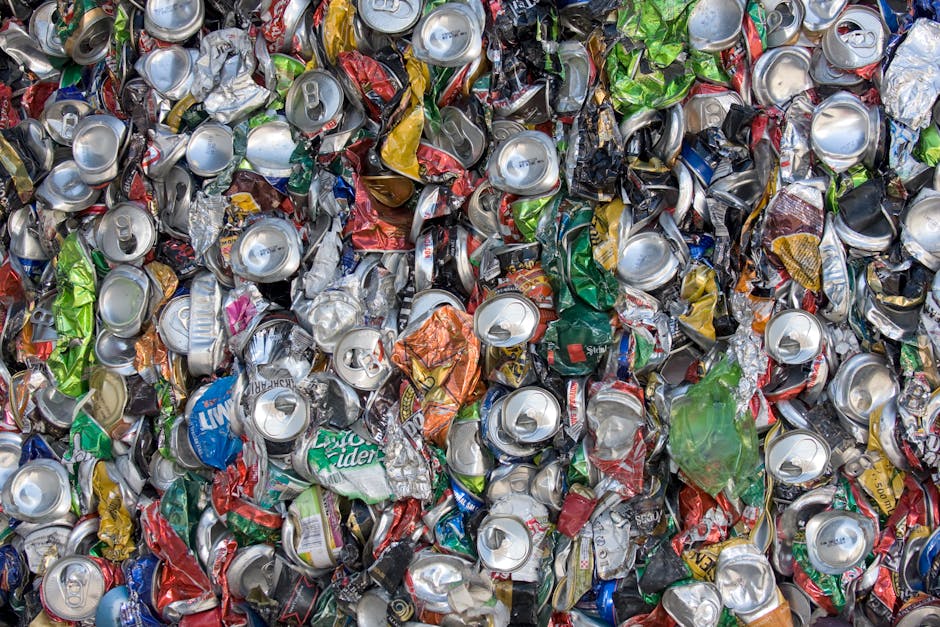
- Aluminium Cans (UBCs): Used Beverage Cans, or UBCs, are a staple of the recycling industry. While lightweight, their consistent alloy composition makes them a high-volume commodity.
- Cast Aluminium: Found in engine blocks, gearboxes, and automotive parts, cast aluminium contains higher levels of silicon, which makes it harder but more brittle than extruded aluminium.
- Aluminium Wire and Cable: Often found in electrical infrastructure, these are highly prized for their high purity levels, though they must be stripped of insulation to fetch top dollar.
- Sheet and Plate: Often sourced from manufacturing offcuts or construction sites, these are categorized based on their thickness and alloy series.
For those looking to stay ahead of the curve, joining an Aluminium Scrap Whatsapp Group can provide real-time updates on grade demand and local buyer preferences. Proper segregation of these materials is the single most effective way to increase your profit margins, as mixed-grade loads are almost always priced at the value of the lowest-grade component within the batch.
The Mechanics of Aluminium Recycling
The process of al recycling is a marvel of industrial efficiency. Unlike many other materials, aluminium can be recycled infinitely without losing its inherent properties. The process begins with collection and sorting. Advanced facilities use eddy current separators and X-ray fluorescence (XRF) technology to distinguish between different aluminium alloys at high speeds.
Once sorted, the scrap is shredded into small pieces to remove coatings, paints, and other impurities. This shredded material, known as ‘twitch’ or ‘tweak’ depending on the processing stage, is then fed into a furnace. During the melting process, fluxing agents are added to remove oxides and other contaminants. The molten metal is then cast into ingots or billets, which are then sold back to manufacturers to create everything from new car parts to soda cans.
This closed-loop system is the backbone of the sustainable manufacturing sector. By leveraging the expertise found at scrap metal recycling experts, businesses can ensure their waste streams are processed according to the highest industry standards, ensuring maximum material recovery.
How to Evaluate the Aluminium Price and Market Trends
The aluminium price is notoriously volatile, influenced by the London Metal Exchange (LME), currency fluctuations, and global industrial demand. For Australian traders, the exchange rate between the AUD and USD plays a critical role in determining the local purchase price. When the AUD is strong, imported goods become cheaper, but export-oriented scrap prices may face pressure.
To navigate these fluctuations, it is vital to read our Scrap Aluminium Market Guide Pricing Factors And How To Sell. This guide details how local logistics, transport costs, and volume influence the final price you receive at the weighbridge. Furthermore, traders should learn the art of timing their sales. Mastering How To Time The Scrap Market For Maximum Profit allows you to hold inventory when prices are low and liquidate when the market hits a peak, effectively turning a simple scrap yard into a sophisticated trading operation.
Global Perspectives: The UAE and Sharjah Scrap Markets
While the Australian market is robust, it is part of a global ecosystem. Understanding international hubs is crucial for large-scale traders. For instance, the uae scrap market serves as a massive redistribution point for materials moving between Asia, Europe, and the Middle East. Similarly, the sharjah scrap market is a critical node for specialized metal processing and export. By keeping an eye on these international hubs, Australian traders can identify arbitrage opportunities and understand global supply shortages that might impact local demand.
Environmental Benefits of Aluminium Recycling
The environmental case for recycling aluminium is indisputable. Producing primary aluminium from bauxite ore is an energy-intensive process that involves mining, refining, and smelting. It requires massive amounts of electricity and results in significant greenhouse gas emissions. In contrast, recycling aluminium requires only about 5% of the energy needed for primary production.
This 95% energy saving translates to a massive reduction in the carbon footprint of the manufacturing sector. Furthermore, recycling reduces the need for bauxite mining, which preserves biodiversity and prevents habitat destruction. By participating in the scrap market, you are not just making a profit; you are actively contributing to a cleaner, more sustainable future for Australia and the planet. This is why many Australian councils and private enterprises are investing heavily in advanced collection infrastructure.
Practical Tips for Maximizing Scrap Revenue
If you want to maximize your returns, you need to treat your scrap like a high-value commodity. First, keep your scrap clean. Contamination—such as plastic, steel bolts, or wood attached to aluminium—can downgrade your entire load. Investing in a simple magnetic separator can help you remove ferrous contaminants from your aluminium piles, ensuring you get the ‘clean’ price rather than the ‘dirty’ price.
Second, storage is key. Keep your aluminium under cover if possible. While aluminium is corrosion-resistant, oxidation on the surface can still lead to lower prices if the material is heavily weathered. Third, build relationships with reputable buyers. A long-term partnership with a reliable yard is often more profitable than chasing the highest spot price from a fly-by-night operator. Use resources like the premier scrap trading platform to find verified buyers and sellers who prioritize transparency and fair grading.
Logistics and Transport: The Hidden Cost of Scrap
In the Australian context, logistics can make or break a deal. Aluminium is a relatively light metal compared to steel, meaning that transport costs can quickly eat into your margins. If you are moving large volumes of aluminium extrusion or UBCs, efficiency is paramount. Use high-density balers to compress your material, which allows you to fit more weight onto a single truckload. This reduces the number of trips required and significantly lowers your carbon footprint and transport costs.
Additionally, be aware of state-specific regulations regarding the transport of scrap metal. Some states have strict licensing requirements for scrap dealers to prevent the trade of stolen goods. Always maintain accurate records of your transactions, including the identification of sellers and the origin of the material. This not only keeps you compliant with the law but also builds trust with larger smelting facilities that require provenance for their raw materials.
The Future of the Aluminium Scrap Market
The future of the industry is bright, driven by the global push toward ‘green’ aluminium. Manufacturers in the automotive and aerospace sectors are under increasing pressure to use recycled content in their products. This shift ensures that the demand for high-quality secondary aluminium will continue to grow. As technology advances, we expect to see more automated sorting systems and potentially new chemical processes that can remove impurities that are currently difficult to separate.
For the Australian trader, this means that the aluminium scrap market will become increasingly professionalized. Those who invest in better sorting technology, maintain high ethical standards, and leverage digital tools for market analysis will be the ones who thrive. Whether you are a small business owner or a large industrial recycler, the time to optimize your operations is now.
Conclusion
The Australian aluminium scrap market is a dynamic and essential component of the national economy. By understanding the nuances of scrap grades, the importance of market timing, and the logistics of transport, you can transform waste into a high-value resource. Remember that every kilogram of aluminium you recycle contributes to a more sustainable world, saving energy and preserving natural resources. Stay informed, stay connected through industry groups, and always prioritize quality in your sorting and processing. With the right strategy, you can turn the challenges of the scrap business into a highly profitable and environmentally responsible enterprise.
Frequently Asked Questions
What is the most valuable grade of aluminium scrap?
Clean, segregated aluminium extrusion (often 6063 alloy) is typically the most valuable grade due to its high purity and ease of processing for secondary manufacturers.
How does the aluminium price affect recycling rates?
Higher aluminium prices incentivize more collection and better sorting practices, as the potential profit margins cover the costs of labor and logistics more effectively.
Can aluminium be recycled indefinitely?
Yes, aluminium is infinitely recyclable. It maintains its physical and chemical properties through every melting cycle without degradation, making it a perfect material for the circular economy.
Why is it important to remove contaminants from scrap?
Contaminants like steel, plastic, or rubber lower the value of your scrap because they require additional energy and chemical processes to remove during the smelting phase, which increases costs for the refinery.