
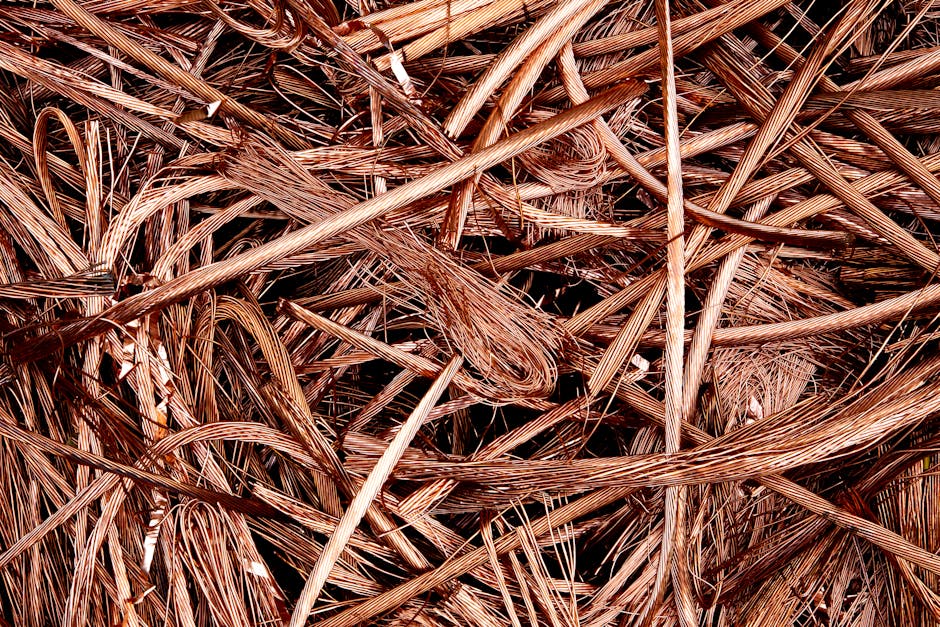

When asking yourself where can i sell my scrap copper, you are embarking on a journey to turn industrial waste into a significant revenue stream. As the Australian construction and electrical sectors continue to evolve, the demand for high-quality, recycled copper remains at an all-time high. Whether you are a professional electrician, a demolition contractor, or a homeowner clearing out a renovation site, understanding the nuances of the scrap market is the difference between a modest payout and a premium return. This guide serves as your authoritative resource for navigating the complexities of the metal recycling industry.
Understanding Copper Grades: The Key to Maximizing Returns
The most critical factor in determining your payout is the accurate identification of copper grades. Not all copper is created equal, and scrap dealers assign different values based on purity, oxidation levels, and the presence of attachments. Before you decide where can i sell my scrap copper, you must learn to categorize your materials to avoid being shortchanged at the scale.
Bare Bright Copper: This is the gold standard of the industry. It consists of clean, unalloyed, uncoated, and uninsulated copper wire, typically 16 gauge or thicker. It must be free of paint, solder, and oxidation. Because it requires minimal processing, it commands the highest price per kg.
Number 1 Copper: This grade includes clean copper pipe and tubing that is free of fittings, insulation, paint, or excessive solder. It is slightly less valuable than bare bright but remains a premium product for recyclers.
Number 2 Copper: This category is broader and includes copper that has some impurities. This might be copper wire with some oxidation, pipes with soldered joints, or slightly weathered copper. Because it requires more labor-intensive refining, the price per kg is lower than Number 1.
Insulated Copper Wire: This is a common find for tradespeople. The value here depends on the ‘recovery rate’—the amount of pure copper contained within the plastic sheathing. High-grade data cables or heavy-duty power cables often fetch better prices than thin, low-grade appliance cords.
To ensure you get the best price, take the time to strip your insulation where possible. While it is time-consuming, the jump in value from ‘insulated wire’ to ‘bare bright’ can be substantial. Use a wire stripping machine if you handle large volumes regularly.
How to Identify the Best Scrap Yards
Finding a reliable partner is essential. You want a facility that is transparent with their pricing and maintains accurate, calibrated scales. When searching for ‘Scrap Copper Prices Near Me‘, prioritize yards that publish their daily rates. A reputable dealer will be happy to explain their grading process and show you how they weigh your material.
If you are wondering where can i sell my scrap copper in a professional capacity, look for yards that offer tiered pricing for commercial volumes. If you are a regular supplier of Scrap Copper, you may be able to negotiate better rates based on the consistency and quality of your supply. Always check if the yard is a member of relevant industry associations, as this often indicates a commitment to ethical and environmental standards.
Consider the logistical aspect as well. Does the yard offer bin services? For large-scale demolition or construction projects, having a dedicated skip bin on-site can streamline your workflow and ensure that copper is separated from other debris at the source. This prevents contamination, which is the primary reason for downgraded pricing at the scale.
The Economics of Copper: Market Trends and Price Factors
Copper is a globally traded commodity, and its price is influenced by the London Metal Exchange (LME). Factors such as global manufacturing demand, mining output in countries like Chile, and even currency exchange rates (specifically the AUD/USD) play a role. When you look up the current copper price per kg, understand that this is a benchmark. Your local yard will subtract their processing costs, transportation fees, and profit margin from this global figure.
To get the best price, track the market. If you have a large stockpile of Sell Scrap material, consider holding onto it if the market is trending upward. Conversely, if prices are at a peak, don’t wait for a further increase; sell immediately to capture the profit. Many professional traders use alerts to monitor daily fluctuations, allowing them to time their deliveries to the yard for maximum gain.
Preparing Your Scrap for Maximum Profit
Preparation is the secret weapon of the professional scrapper. Yards hate contamination. If you bring in copper pipe filled with concrete, dirt, or plastic fittings, the dealer will either reject the load or downgrade it to a much lower price bracket.
Start by sorting your materials at the source. Keep your clean pipe separate from your soldered pipe. Keep your bright wire separate from your insulated wire. If you are dealing with transformers or electric motors, recognize that these contain copper windings but require specialized processing. Some yards pay a flat rate for these items, while others may not accept them at all. Always call ahead if you have unconventional Where to Sell Scrap Copper Near Me: Complete 2026 Guide material to avoid wasted trips.
Use magnets to test your materials. Copper is non-magnetic. If a magnet sticks to your pipe or wire, it contains steel or iron, which will immediately downgrade your material. Removing these ferrous contaminants before you arrive at the yard will save you time and maximize your payout.
Environmental Benefits and the Circular Economy
Recycling copper is one of the most environmentally significant actions a contractor can take. Unlike many other materials, copper can be recycled infinitely without losing its chemical or physical properties. Mining virgin copper is an energy-intensive process that involves massive land disruption and high carbon emissions. By recycling, you are reducing the need for new mining operations and saving up to 85% of the energy required to produce copper from ore.
When you choose to recycle your scrap, you are actively participating in the circular economy. This is not just a financial transaction; it is a contribution to a sustainable future. As Australia moves toward net-zero targets, the demand for recycled metals will only grow, making your scrap inventory an increasingly valuable asset in a resource-constrained world.
Safety and Legal Considerations
Safety is paramount when handling scrap metal. Copper pipe can have sharp edges, and old electrical wires may have frayed insulation or exposed copper. Always wear heavy-duty gloves, eye protection, and steel-toed boots. If you are stripping wire, be mindful of the tools you use; manual stripping is safer but slower, while power tools require caution to avoid nicking the copper, which reduces its grade.
From a legal perspective, ensure you are compliant with local regulations. In many Australian states, scrap dealers are required to record the details of the sellers to prevent the trade of stolen goods. Expect to provide valid identification, such as a driver’s license, and potentially your bank account details for electronic payment, as many yards have moved away from cash transactions to comply with anti-money laundering laws and improve security.
Conclusion: Turning Your Scrap into Success
Mastering the art of selling scrap copper requires a combination of market knowledge, preparation, and the right partnerships. By understanding the grades, monitoring the market, and maintaining a clean supply, you transform your waste into a high-value commodity. Remember that the best approach is to build a long-term relationship with a trusted local yard. They are your partners in this business, and their success depends on your ability to provide high-quality, sorted material. Start implementing these strategies today, and you will see the difference in your bottom line. Whether you are a weekend warrior or a commercial operator, the potential for profit in the copper market is immense for those who take the time to do it right.
Frequently Asked Questions
What is the difference between Number 1 and Number 2 copper?
Number 1 copper is clean, unalloyed, and free of solder or paint, making it the highest value grade. Number 2 copper includes material with minor impurities like solder, light oxidation, or paint, which requires more processing.
Should I strip my copper wire before selling it?
Yes, stripping copper wire generally yields a higher payout because you are selling pure copper rather than copper-plus-insulation. However, ensure you have the right tools to do it efficiently to avoid damaging the copper strands.
Do I need to bring ID when selling scrap copper?
Yes, Australian law requires scrap metal dealers to verify the identity of sellers to prevent the trade of stolen property. Always carry a valid driver’s license or government-issued photo ID when visiting a scrap yard.
How often do scrap copper prices change?
Scrap copper prices are tied to the global commodities market and can fluctuate daily. It is recommended to check current market rates on the morning of your planned sale to ensure you are receiving a fair price.