
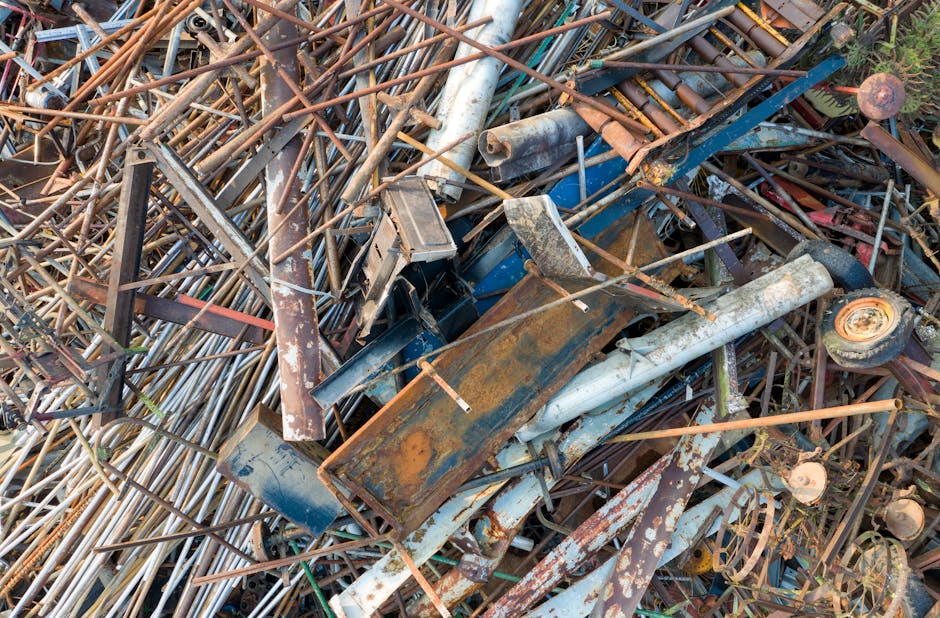

Understanding where to sell scrap metal is the first step in turning industrial waste or household clutter into a significant revenue stream. Whether you are a tradesperson clearing a worksite or a homeowner recycling copper piping, the Australian scrap market is sophisticated, regulated, and highly rewarding for those who understand how to prepare their materials. When you decide to Sell Scrap Metal Near Me In 2026, you are entering a circular economy that is vital to the nation’s manufacturing and sustainability goals. This guide serves as your authoritative resource for navigating the complexities of the scrap industry.
The Fundamentals of Scrap Metal Grading
The secret to securing the best price lies in your ability to identify and categorize metal grades. Scrap dealers assess value based on purity, density, and the presence of contaminants. Ferrous metals, such as steel and iron, are magnetic and generally hold lower value per kilogram compared to non-ferrous metals like copper, aluminum, and brass. To Sell Scrap effectively, you must separate these categories before arriving at the yard. A mixed load of aluminum and steel will often be priced at the lowest common denominator, significantly reducing your profit. High-grade copper, such as ‘Bright and Shiny’ (bare, bright copper wire), commands the highest market rates. Conversely, ‘Burnt’ copper or copper with insulation attached will be downgraded, as the recycling facility must expend energy and labor to process it. Understanding these nuances is essential for anyone asking where to sell scrap metal for maximum profit.
How to Prepare Your Scrap for Maximum Value
Preparation is the difference between a mediocre payout and a professional-grade return. Start by stripping insulation from wires; while time-consuming, the price difference between insulated and bare copper is substantial. Remove non-metallic attachments such as plastic handles, rubber gaskets, or wooden frames from your metal items. These contaminants are considered ‘waste’ by the yard and will be deducted from your total weight. If you are looking for Scrap Metal Prices, remember that they fluctuate daily based on the London Metal Exchange (LME). Check local yard websites or use professional tools like Scrap Trade Australia to track trends before you transport your haul. Always use a reliable vehicle and ensure your load is secured according to Australian road safety standards. When you arrive at the yard, ensure the scales are visible and that you receive a printed receipt detailing the weight and grade of each item. This transparency is the hallmark of a reputable dealer.
Navigating the Australian Scrap Metal Industry
The Australian scrap landscape is governed by strict environmental and record-keeping regulations. When you research where to sell scrap metal, prioritize yards that are fully licensed and compliant with state-based environmental protection authority (EPA) requirements. These facilities are equipped to handle hazardous materials, such as lead-acid batteries or gas cylinders, which require specific disposal protocols. Never attempt to sell pressurized containers or items containing hazardous chemicals to a standard yard without prior notification. Reputable dealers will require identification, such as a driver’s license, to comply with anti-theft legislation. This process, while sometimes perceived as an inconvenience, protects the industry from the trade of stolen goods and ensures that all transactions are legitimate. By choosing a professional, you are supporting a legal, sustainable supply chain that feeds raw materials back into the manufacturing sector, reducing the need for destructive mining practices.
The Environmental and Economic Impact of Recycling
Recycling scrap metal is one of the most effective ways to reduce your carbon footprint. Producing new aluminum from recycled scrap requires approximately 95% less energy than refining it from raw bauxite ore. Similarly, recycling copper and steel significantly lowers greenhouse gas emissions and preserves finite natural resources. When you participate in the scrap market, you are directly contributing to a circular economy. This is not just about personal financial gain—it is about resource efficiency. The Australian government actively encourages the recycling of industrial and domestic metals to meet international sustainability targets. By learning How to Sell Scrap Metal: Best Price & Where to Sell, you become an active participant in this vital environmental movement. Every kilogram of metal diverted from a landfill is a win for the planet and a boost to the local economy.
Strategies for Long-Term Scrap Success
For tradespeople and contractors, scrap metal management should be a structured part of your business operations. Designate specific bins for different metal grades on your worksite to prevent cross-contamination. This ‘source-separation’ strategy drastically reduces the time spent sorting at the yard and ensures you receive the highest possible payout. Build a relationship with a consistent scrap dealer; yards often provide better rates for regular suppliers who provide clean, sorted material. If you generate large volumes of scrap, inquire about bin services or collection arrangements. Many dealers will provide skip bins for your site, which they then collect and weigh, streamlining your logistics. Keep a log of your scrap sales to track your returns and identify which jobs generate the most profitable waste streams. This data-driven approach transforms scrap metal from a nuisance into a predictable revenue stream that can offset your operational costs.
Advanced Tips for Market Timing
Market timing is an often-overlooked aspect of scrap trading. While you cannot control global commodity prices, you can observe market cycles. Prices often rise when demand from manufacturing hubs like China or India increases. Conversely, prices may soften during global economic downturns. While it is rarely worth holding onto small amounts of scrap for months waiting for a price spike, for large-scale industrial recyclers, timing your sales can result in significant margin improvements. Use reputable industry news sources to stay informed about global supply chain disruptions. If you see news about major mine closures or supply shortages, expect the price of base metals to rise. Being proactive rather than reactive is the key to mastering the scrap metal market. By staying informed, you ensure that you are not just selling, but selling at the right time for the right price.
Conclusion: Your Path to Profitable Recycling
The journey to becoming a savvy scrap metal seller involves a combination of preparation, education, and strategic partnership. By understanding the grading system, maintaining clean loads, and choosing the right facility, you can ensure that your scrap metal recycling efforts are both profitable and environmentally responsible. The information provided in this guide is designed to empower you to take control of your metal waste. Whether you are a one-time seller or a regular industrial recycler, the principles remain the same: sort, clean, and stay informed. Visit Scrap Trade for further resources and tools to help you manage your metal recycling needs effectively. Your commitment to proper recycling practices not only benefits your bottom line but also ensures a more sustainable future for the Australian environment. Start by auditing your current waste streams today and apply the strategies outlined here to maximize your returns. The scrap metal market is open, transparent, and ready for those who are prepared to engage with it professionally.
Frequently Asked Questions
Do I need to clean my scrap metal before selling it?
Yes, removing non-metallic contaminants like plastic, rubber, and wood is crucial. Clean metal is easier for the yard to process and will earn you a significantly higher price than contaminated loads.
Why do scrap metal prices change so often?
Scrap metal prices are tied to global commodity markets, specifically the London Metal Exchange. Factors like global supply, manufacturing demand, and currency fluctuations cause these prices to shift daily.
What identification do I need to bring to a scrap yard?
Most Australian states require you to provide a valid government-issued photo ID, such as a driver’s license. This is a mandatory regulatory requirement to prevent the trade of stolen property.
How can I tell if my metal is ferrous or non-ferrous?
The easiest way is to use a magnet. If the magnet sticks, the metal is ferrous (like steel or iron); if it does not stick, it is non-ferrous (like copper, aluminum, or brass), which generally holds higher value.