
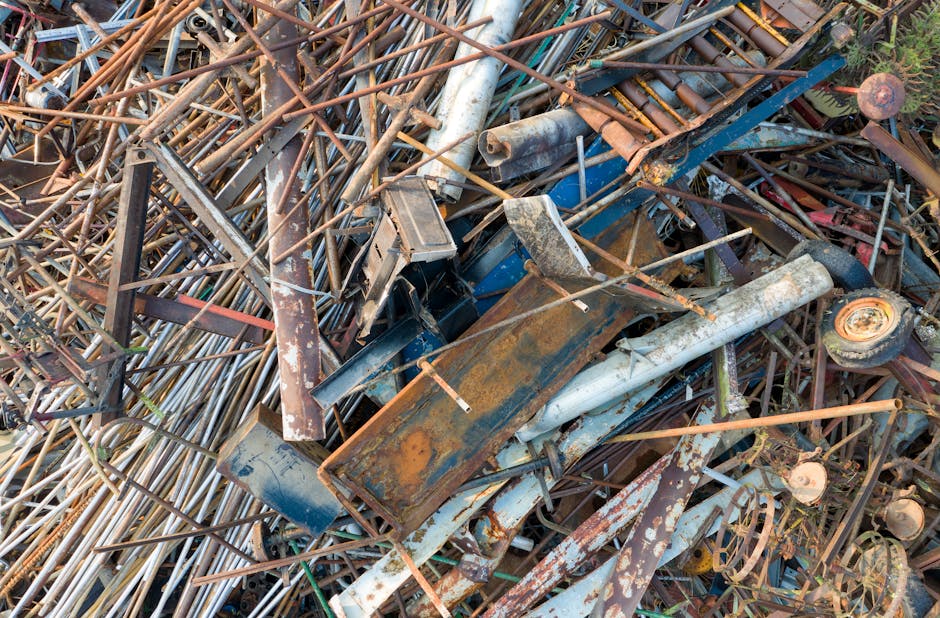

Understanding exactly where to buy scrap metal is the first step toward building a profitable and sustainable business in the Australian circular economy. Whether you are an industrial manufacturer looking for raw materials or a recycler seeking inventory, navigating the scrap market requires deep knowledge of logistics, commodity grading, and market fluctuations. As you explore where to buy scrap metal, you will find that the Australian market is highly regulated, necessitating partnerships with reputable entities to ensure compliance with environmental and safety standards. This guide serves as your definitive resource for sourcing, grading, and trading metals effectively across the continent.
The Australian Scrap Metal Landscape: Sourcing Strategies
The Australian scrap market is a multi-billion dollar industry driven by the extraction of value from post-industrial and post-consumer waste. When you look into where to buy scrap metal, you are essentially tapping into the secondary raw material supply chain. Trusted dealers often act as the primary interface between industrial production and the recycling plant. For businesses looking to buy scrap, the primary sources include large-scale demolition projects, automotive salvage yards, and manufacturing hubs where offcuts and production waste are generated in high volumes. Establishing a direct relationship with a metal buyer allows you to secure consistent supply chains, which is critical for maintaining operational efficiency. Many traders rely on Crg Scrap Metal to facilitate high-volume transactions that meet strict industrial specifications. It is essential to monitor Scrap Metal Prices regularly, as these fluctuate based on global demand from manufacturing giants in Asia and the volatility of the London Metal Exchange (LME). If you are new to the industry, reading our Buy Scrap Metal in Australia: Your Ultimate Guide 2026 will provide the foundational knowledge required to navigate these complex procurement channels successfully. Professional buyers often prefer to source from yards that have implemented advanced sorting technologies, as this reduces the risk of contamination in the scrap load.
Understanding Metal Grades and Quality Assurance
Quality is the currency of the scrap world. When you purchase metal, you are not just buying weight; you are buying specific chemical compositions. Ferrous metals, such as steel and iron, are graded based on their density, size, and level of impurities. Non-ferrous metals, including copper, aluminium, lead, and zinc, command much higher prices and require rigorous testing to ensure they meet industry standards. A scrap buyer must be proficient in identifying these grades. For example, ‘Bright and Shiny’ copper wire is graded significantly higher than ‘Burnt’ or ‘Insulated’ copper due to the processing costs involved in refining. When you buy scrap, you must account for the ‘yield’—the percentage of usable metal you will actually extract after processing. Contamination, such as plastic insulation on copper or oil residue on aluminium, can drastically reduce your margins. Trusted dealers provide certificates of analysis for larger shipments, which is a standard practice for high-value non-ferrous transactions. Always perform a physical inspection or request a third-party audit if you are sourcing from unknown suppliers. The goal is to minimize ‘down-grading’ at the smelting stage, which is where many inexperienced traders lose significant capital.
The Recycling Process: From Yard to Smelter
The journey of scrap metal from a demolition site to a finished product is a sophisticated industrial process. Once a metal buyer acquires scrap, it undergoes a series of transformations. First, the material is weighed and inspected for hazardous substances, such as lead-acid batteries or radioactive components, which are strictly prohibited. The scrap is then sorted using advanced optical sorters, X-ray fluorescence (XRF) analyzers, and electromagnetic separators. This level of precision is why professional scrap trading services are vital for maintaining the purity of the recycling stream. After sorting, the metal is processed through a shredder or shear. Shredding reduces the metal into small, uniform pieces, while shearing cuts larger structural components into manageable sizes. These pieces are then compacted into dense bales or briquettes to optimize transport logistics. Finally, the scrap is shipped to a foundry or smelter, where it is melted down, alloyed, and cast into new ingots, rods, or sheets. This process consumes significantly less energy than extracting virgin ore from the earth, making it a cornerstone of the global move toward carbon neutrality. By choosing to source from established recyclers, you are directly participating in this energy-efficient cycle.
Environmental Benefits and Regulatory Compliance
The environmental impact of recycling scrap metal cannot be overstated. Recycling aluminium, for instance, requires 95% less energy than producing it from bauxite ore. Similarly, recycling steel saves approximately 75% of the energy needed for virgin steel production. When you understand the environmental benefits, you can better position your business as a leader in sustainable procurement. In Australia, the industry is heavily governed by the National Environment Protection Measures (NEPM) and state-based environmental protection authorities. As a buyer, you have a duty of care to ensure that the scrap you purchase has been handled in accordance with these regulations. This means sourcing only from facilities that utilize proper water filtration, dust suppression, and hazardous waste management systems. Engaging with trusted dealers who are ISO-certified ensures that your supply chain is not only profitable but also legally and ethically sound. Many modern corporations now require ‘green’ procurement reports, and by documenting your scrap sourcing, you add significant value to your company’s ESG (Environmental, Social, and Governance) profile.
Market Trends and Future Outlook
The scrap metal market is currently undergoing a digital transformation. We are seeing a shift toward real-time pricing transparency and blockchain-based tracking of metal origins. As global demand for electric vehicles (EVs) and renewable energy infrastructure grows, the demand for high-quality copper, lithium, and rare earth metals is skyrocketing. This trend is changing where to buy scrap metal, as supply is increasingly being locked into long-term contracts between automotive manufacturers and large-scale recyclers. If you are a smaller trader, the key to success is identifying niche markets—such as specialized alloys or high-purity electrical scrap—that large industrial players might overlook. Staying informed through industry publications and attending trade expos is essential for anticipating shifts in supply and demand. Furthermore, the Australian government’s focus on ‘Made in Australia’ initiatives is likely to spur domestic manufacturing, which will increase the local demand for recycled metal inputs. Position yourself now by building relationships with reliable suppliers, as the competition for high-grade scrap will only intensify in the coming years. By leveraging data-driven insights and maintaining a focus on quality, you can secure your place in this evolving market.
Practical Tips for Successful Procurement
Successful procurement in the scrap industry relies on three pillars: logistics, relationships, and technical knowledge. First, logistics: transport costs can easily erode your profits. Always factor in the cost of freight, especially when dealing with low-density scrap like light steel. If possible, consolidate your shipments to maximize container utilization. Second, relationships: the scrap industry is built on trust. A scrap buyer who pays on time and communicates clearly will always get first access to the best inventory from suppliers. Visit the yards you buy from; seeing the operation firsthand provides insights that a phone call never will. Third, technical knowledge: invest in basic testing equipment, such as a handheld XRF analyzer, if you are trading in non-ferrous metals. This allows you to verify the grade of the material on the spot, preventing disputes and ensuring you get what you pay for. Finally, keep a close watch on the Scrap Metal Prices index, as this will help you time your purchases effectively. Remember, the market is cyclical; buying during periods of low industrial activity can often lead to significant gains when demand spikes. Always document every transaction, maintain clear records of the material grade, and ensure all paperwork complies with the relevant state regulations to protect your business from future liabilities.
Related: Buy Scrap
Related: Crg Scrap Metal
Frequently Asked Questions
How do I verify if a scrap dealer is trustworthy?
Look for businesses that hold valid environmental licenses, have a physical yard you can visit, and provide transparent pricing based on current market rates. Check for industry memberships and positive reviews from other industrial clients.
What is the difference between ferrous and non-ferrous scrap?
Ferrous metals contain iron, such as steel and cast iron, and are magnetic. Non-ferrous metals, such as copper, aluminium, and brass, do not contain iron, are non-magnetic, and generally command higher prices due to their scarcity and recycling value.
How do scrap metal prices change?
Prices are driven by global supply and demand, the cost of energy, and the current LME (London Metal Exchange) commodity rates. Local factors like transport costs and the availability of specific metal grades also influence the final price you pay.
What documentation is required when buying scrap metal?
You should always receive a weighbridge ticket, a tax invoice, and, for larger or specialized loads, a certificate of analysis or a declaration of origin. These documents are essential for tax purposes and environmental compliance audits.