

Understanding the fluctuating scrap metal value per kg is essential for anyone looking to maximize returns from industrial, commercial, or residential metal waste. In the Australian market, pricing is not static; it is influenced by international demand, the LME (London Metal Exchange) fluctuations, and the specific composition of the material. Whether you are a professional contractor or a homeowner clearing out a shed, knowing the difference between non-ferrous and ferrous metals is the first step toward getting paid what your materials are actually worth. For those seeking clarity on current market rates, our Scrap Metal Prices page provides the foundation for your financial planning. By Understanding Metal Scrap Value: Grades, Recycling & Benefits, you turn waste into a revenue stream while contributing to a circular economy that reduces the need for virgin ore extraction.
The Hierarchy of Metal Grades and Value
The Australian scrap industry categorizes metals into two primary groups: ferrous and non-ferrous. Ferrous metals, such as steel and iron, are magnetic and generally lower in value. Non-ferrous metals, including copper, aluminum, brass, and lead, are non-magnetic and significantly more valuable. When you look at the scrap metal value per kg, non-ferrous items like clean copper piping or bright copper wire consistently sit at the top of the price list. These metals are infinitely recyclable without losing their chemical properties, making them highly sought after by smelters and manufacturers.
To obtain the best price, you must grade your scrap correctly. For example, ‘bright and shiny’ copper wire is worth more than copper with insulation or oxidation. Similarly, aluminum is graded by its purity—extruded aluminum (like window frames) fetches a higher price than mixed aluminum castings or ‘dirty’ aluminum containing steel screws or plastic attachments. If you are uncertain about your material, visiting a Metal Scrap Yard Near Me allows you to have your items professionally identified and weighed. Professional facilities like Crg Scrap Metal utilize advanced XRF (X-ray fluorescence) analyzers to determine the exact alloy composition, ensuring you are paid for the specific grade of metal you are providing.
The Lifecycle of Metal Recycling
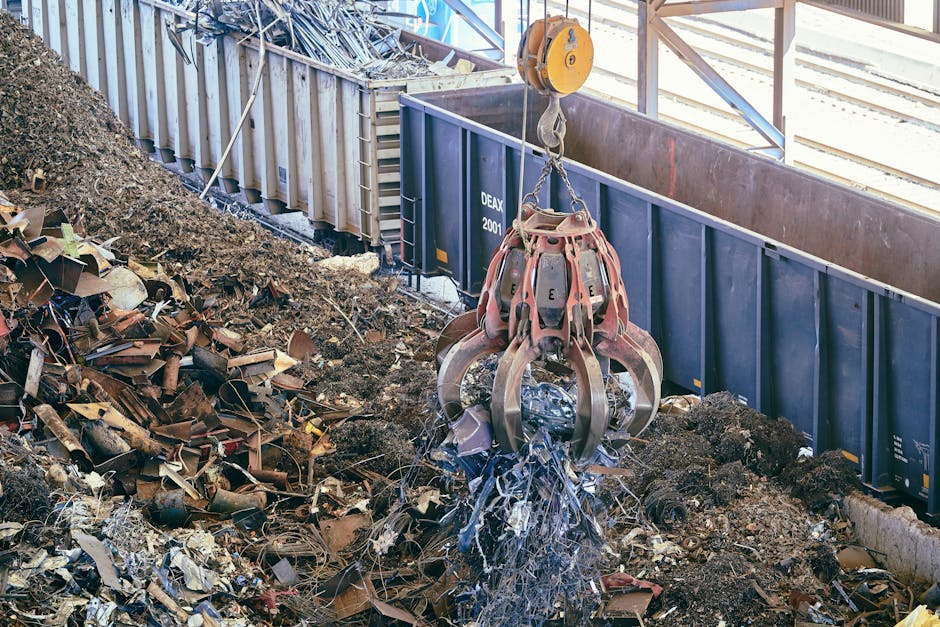
The process of transforming scrap into raw material is a sophisticated industrial operation. Once metal reaches a facility, it undergoes a rigorous sorting process. Manual sorting, magnetic separation, and eddy current separation are used to isolate different metals from mixed loads. For instance, a giant magnet will pull steel beams away from a pile, while an eddy current separator will repel non-ferrous metals like aluminum, allowing them to be collected separately. This industrial precision is why industrial suppliers choose to sell to professional scrap traders who have the infrastructure to process high volumes efficiently.
After sorting, the metal is processed. This often involves shredding, where large items are broken down into small, uniform pieces to facilitate easier melting. The shredded material is then cleaned of contaminants—such as paint, plastic, or rubber—to ensure the final melt meets the strict specifications of industrial buyers. The metal is then melted in massive furnaces, cast into ingots or billets, and shipped back into the manufacturing supply chain. This closed-loop system is the backbone of the Australian metal recycling industry, which prevents millions of tonnes of waste from entering landfills annually.
Environmental and Economic Impacts
Recycling scrap metal is one of the most effective ways to reduce industrial carbon footprints. Producing aluminum from recycled scrap requires approximately 95% less energy than producing it from raw bauxite ore. For steel, the energy savings are roughly 75%. These energy reductions directly translate to lower greenhouse gas emissions, as smelters can operate at lower temperatures and with less reliance on fossil-fuel-intensive extraction processes. Every kilogram of metal you recycle helps conserve natural resources and protects biodiversity by reducing the need for new mining operations.
Beyond the environmental benefits, there is a strong economic incentive. The scrap metal industry provides thousands of jobs across Australia, from collection and logistics to high-tech processing and international export. By selling your scrap, you are actively participating in a global commodity market that values sustainability. Keeping metals out of general waste streams also helps municipal councils reduce landfill costs and environmental remediation efforts. When you take the time to separate your metals, you aren’t just getting paid; you are fueling a vital sector of the national economy.
Maximizing Your Returns: Practical Tips
To ensure you receive the highest possible scrap metal value per kg, preparation is key. First, sort your metals by type. Mixing copper with steel or brass with aluminum will almost always result in the yard paying you at the lowest grade price. Keep your copper, brass, stainless steel, and aluminum in separate containers. Second, remove as much ‘contamination’ as possible. This means stripping insulation off wires, removing steel bolts from aluminum components, and ensuring your scrap is free of dirt, oil, or excessive rust. The cleaner the load, the higher the grade, and the more money you will receive.
Timing your sales can also impact your returns, though this is more relevant for large-scale industrial sellers. Metal markets are influenced by global events, such as construction booms in Asia or supply chain disruptions. While a small-scale seller won’t need to track the LME daily, understanding that prices fluctuate can help you decide when to clear out a large inventory. If you are a business, consider establishing a long-term relationship with a reputable yard. Consistent supply and high-quality sorting often lead to better negotiated rates compared to one-off drop-offs. Always ask for a printed receipt that details the weight and grade of the material you have sold to maintain transparency in your own accounting.
Safety and Compliance in Scrap Trading
Safety must be the priority when handling scrap metal. Metals are heavy, often have sharp edges, and can be contaminated with hazardous materials. Always wear heavy-duty gloves, steel-capped boots, and protective eyewear when sorting or transporting scrap. Be particularly cautious with items that may contain pressurized cylinders, lead-acid batteries, or capacitors, as these can pose significant health and fire risks. Most reputable yards have strict safety protocols for unloading, and you should follow the instructions provided by the yard staff at all times.
Compliance with local environmental and transport regulations is equally important. In many Australian states, there are specific laws regarding the sale of certain metals to prevent the trading of stolen goods. Expect to provide identification when selling scrap, as this is a standard industry practice designed to protect the integrity of the market. By operating legally and safely, you ensure that the scrap recycling industry remains a respected and sustainable pillar of the Australian economy. Always check with your local council or the scrap yard regarding specific items that they may not accept, such as hazardous waste or radioactive materials, to ensure your recycling efforts are both safe and compliant.
The Future of Metal Recycling
The future of the scrap industry lies in advanced technology and increased circularity. As global demand for electric vehicles, renewable energy infrastructure, and high-tech electronics grows, the demand for recycled metals will skyrocket. Copper, in particular, is critical for the transition to green energy, and the industry is investing heavily in new recovery methods that can extract metals from complex waste streams like e-waste. This evolution means that the definition of ‘scrap’ is constantly expanding, and the ability to process these complex items will define the next generation of scrap traders.
For the individual or business owner, this means that your scrap is becoming more valuable. As we move toward a more sustainable future, the materials you hold are essentially ‘urban mines.’ By continuing to recycle responsibly and staying informed about market conditions, you are not only securing a financial return but also playing a direct role in the global shift toward a circular economy. The scrap metal industry is no longer just about cleaning up junk; it is about reclaiming the resources that will build the cities and technologies of tomorrow.
Frequently Asked Questions
What is the most valuable scrap metal?
Copper is consistently the most valuable common scrap metal due to its high demand in electrical wiring and plumbing. Other high-value metals include brass, stainless steel, and lead, though their prices fluctuate based on market purity.
How can I get the best price for my scrap metal?
To get the best price, always sort your metals into separate bins by type and remove all non-metal contaminants like plastic, rubber, and steel screws. Providing clean, sorted material ensures you are paid at the highest grade rate rather than a mixed-scrap rate.
Do I need identification to sell scrap metal in Australia?
Yes, most Australian scrap yards require valid photo identification to process a sale. This is a standard regulatory requirement to ensure transparency and prevent the trade of stolen materials.
Does the scrap metal value per kg change daily?
Yes, scrap metal prices are linked to global commodity markets like the London Metal Exchange. While the changes may be subtle day-to-day, they can shift significantly over weeks or months based on international supply and demand.