
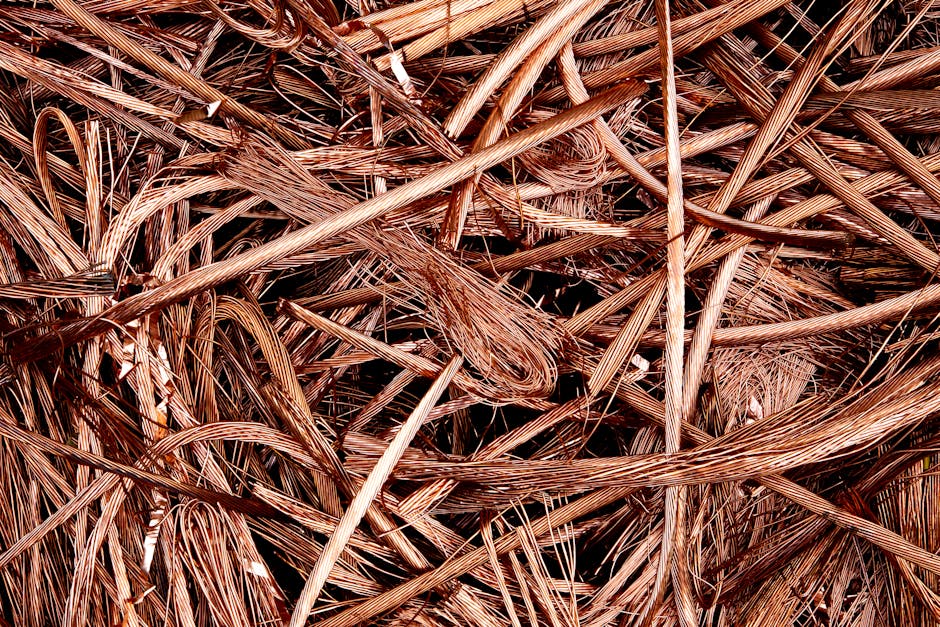

Understanding the nuances of the copper scrap sell process is the difference between earning a modest payout and securing a premium return on your materials. Whether you are a professional electrician, a demolition contractor, or a homeowner clearing out a shed, the Australian recycling market rewards those who treat their scrap as a valuable commodity rather than mere waste. By mastering the classification of materials and identifying the right scrap dealer, you can ensure your hard-earned metal is valued correctly. This guide provides the essential framework for navigating the industry, optimizing your sorting techniques, and understanding the environmental and economic impact of your recycling efforts.
Understanding Copper Grades: The Foundation of Value
In the world of metal recycling, purity is the single most important factor determining your payout. When you approach a scrap dealer, they evaluate your material based on standard industry grades. The highest grade, known as Bare Bright Copper, consists of clean, unalloyed, uncoated, and uninsulated copper wire or cable, typically 16 gauge or thicker. It must be free of any paint, oxidation, or solder. Because it requires minimal processing, it commands the highest price per kg.
Moving down the hierarchy, we encounter Number 2 Copper. This grade includes copper that has been lightly contaminated—perhaps with solder, paint, or minor insulation residue. It is still highly valuable but requires more labor-intensive refining at the smelting facility. Understanding these distinctions is critical when you Sell Scrap, as mislabeling your material can lead to significant profit loss. Always keep your grades separated; mixing bare bright with Number 2 will cause the entire batch to be downgraded to the lower price point.
Copper pipe is another common category. Clean, unplated copper tubing, free of fittings, insulation, or heavy oxidation, is usually classified as Number 1 copper. However, if your pipe contains brass fittings, valves, or significant amounts of solder, it will be downgraded. Savvy traders often use a pipe cutter to remove fittings before arriving at the yard, instantly increasing the value of their load. Always check the current Scrap Copper Prices Near Me to ensure you are being quoted fairly for your specific grade.
Optimizing Your Load: Preparation and Processing
The secret to high-margin scrap trading lies in preparation. While it might be tempting to throw everything into a trailer, taking the time to process your materials yields a much higher return. Strip your copper wire whenever possible. Using an automated wire stripping machine is a game-changer for high-volume traders, as the value of clean, bright wire significantly outweighs the value of insulated cable, even after accounting for the time spent stripping. If you have large quantities of cable, consider the ratio of copper to plastic insulation before investing in stripping equipment.
For copper pipe, ensure it is free of concrete, dirt, and other non-metallic debris. Scrapyards use heavy-duty scales and visual inspection to determine the weight of the material. Excess contaminants do not just lower the grade; they may result in a ‘tare’ deduction, where the yard subtracts a percentage of the weight to account for the non-metal waste. If you are looking for advice on how to organize your collection, visit Scrap Trade Australia for industry-standard sorting guides.
Documentation is also a vital part of the process. In Australia, scrap metal dealers are required to follow strict compliance laws to prevent the trade of stolen goods. When you arrive at a facility, you must present a valid government-issued photo ID, such as a driver’s license or passport. Some yards may also require a record of your ABN or business details if you are trading as a commercial entity. Keeping a log of your sales can help you track your annual income and monitor market trends over time.
Market Dynamics and Timing Your Sale
The copper market is famously volatile, influenced by global industrial demand, mining output, and geopolitical factors. To get the best price, you must track the London Metal Exchange (LME) and local market fluctuations. When global manufacturing demand is high, the copper price per kg typically rises. Conversely, economic downturns can lead to price stagnation. By keeping an eye on Scrap Copper market reports, you can decide whether to sell immediately or hold onto your stockpile until the market rebounds.
Many successful scrap traders use a ‘buy-low, sell-high’ strategy. If you have the storage space, accumulate your scrap during periods of low market activity and sell in bulk when prices spike. However, be mindful of storage safety; copper is a high-value target for theft. Ensure your storage area is secure, well-lit, and monitored. When you finally decide it is time to sell, look for a reputable yard that provides transparent weighing processes. A professional dealer will allow you to see the scale readout, ensuring you are paid for the exact weight of your material.
For those unsure of where to start, our resource Where to Sell Scrap Copper Near Me: Complete 2026 Guide offers a comprehensive list of verified yards across the country. Choosing the right partner is just as important as the quality of your scrap. Look for dealers who provide consistent pricing, efficient service, and clear communication regarding their grading standards. A long-term relationship with a reliable dealer often leads to better negotiation power and faster payment terms.
The Environmental and Economic Impact of Recycling
Recycling copper is not just a way to make extra cash; it is a fundamental pillar of the circular economy. Copper is 100% recyclable without any loss of its chemical or physical properties. This means that a piece of copper used today can be melted down and reused indefinitely. By choosing to recycle your scrap, you are directly reducing the need for destructive mining operations, which are energy-intensive and environmentally damaging.
The energy savings are staggering. Producing copper from recycled scrap requires up to 85% less energy than extracting it from raw ore. This reduction in energy consumption translates to lower carbon emissions and a smaller industrial footprint. When you participate in the scrap market, you are contributing to a global effort to preserve natural resources. As the demand for copper in renewable energy infrastructure—such as electric vehicles, wind turbines, and solar panels—continues to explode, the importance of a robust secondary copper market has never been higher.
Furthermore, the scrap industry supports thousands of jobs across Australia, from yard workers and logistics drivers to metal analysts and environmental consultants. Every time you bring a load of copper to a local yard, you are supporting the local economy. It is a symbiotic relationship where the recycler gains financial compensation, the dealer gains inventory, and the planet benefits from reduced waste and lower energy demand. For more information on how to integrate sustainable practices into your business, check out the resources at Scrap Trade.
Advanced Strategies for High-Volume Traders
If you are operating at a commercial scale, you need to treat your scrap collection as a logistics operation. This involves optimizing the collection, storage, and transport of materials. High-volume traders often use specialized bins provided by scrap yards to organize their scrap on-site. This eliminates the need for manual loading and unloading, reducing labor costs and increasing safety. If you generate large amounts of copper wire or pipe, ask your local dealer about container services.
Effective inventory management is also crucial. Keep a detailed ledger of your scrap, including the date of acquisition, the grade, and the weight. This allows you to calculate your margins accurately and identify which sources of scrap are the most profitable. For instance, if you find that a specific type of demolition job yields high-quality Number 1 copper, you can refine your bidding process for future contracts to prioritize that type of work. Data-driven decision-making is what separates casual scrappers from professional metal traders.
Finally, stay informed about legislative changes in the scrap metal industry. State governments in Australia frequently update regulations regarding cash payments and identification requirements. Being compliant not only protects you from legal issues but also enhances your reputation as a professional trader. Reputable yards value long-term, compliant clients and are often willing to offer premium pricing to those who consistently provide clean, well-sorted material. Building this reputation is the ultimate strategy for long-term success in the scrap industry.
Maximizing Your Returns: The Final Checklist
To summarize, success in the copper scrap sell industry requires a blend of industry knowledge, strategic planning, and consistent effort. Start by identifying your copper types—distinguishing between bare bright, Number 1, and Number 2—and ensure they are separated before you reach the yard. Invest in basic processing tools like wire strippers to increase the value of your haul. Monitor the market regularly to ensure you are selling when the price per kg is favorable, and always prioritize safety and security in your storage methods.
When you arrive at the scrap yard, be professional and prepared. Have your documentation ready, ensure your load is clean and free of contaminants, and don’t be afraid to ask questions about the grading process. A good scrap dealer will be happy to explain how they arrived at their price, as they want to encourage you to return with more material. By following these steps, you will not only maximize your financial returns but also contribute to a more sustainable and efficient recycling ecosystem.
The journey from raw scrap to refined commodity is a vital part of modern industry. Whether you are a small-scale recycler or a large-scale commercial operator, your contribution matters. By treating your scrap with the respect it deserves, you turn waste into wealth and help build a more resilient future. Remember to keep your materials clean, stay informed on market prices, and maintain strong relationships with your local scrap dealers to ensure you always get the best value for your hard work.
Frequently Asked Questions
What is the most valuable type of copper scrap?
Bare bright copper is the most valuable grade. It consists of clean, uninsulated, and unalloyed copper wire that is free of oxidation, paint, or solder.
Do I need identification to sell scrap copper in Australia?
Yes, Australian law requires scrap metal dealers to verify the identity of sellers. You must provide a valid government-issued photo ID, such as a driver’s license or passport, at the time of sale.
How can I get the best price for my copper scrap?
To get the best price, ensure your copper is clean and properly sorted by grade. Strip insulation from wires and remove any non-metallic attachments like brass fittings or plastic to prevent downgrading.
Why does the price of copper change so often?
Copper prices fluctuate based on global supply and demand, industrial manufacturing output, and international market conditions. Monitoring the London Metal Exchange (LME) can help you decide the best time to sell.