

Understanding the current aluminum scrap price is essential for anyone involved in industrial waste management, demolition, or domestic recycling across Australia. As a commodity, aluminum is infinitely recyclable, making it one of the most valuable non-ferrous metals in the circular economy. Whether you are a professional scrap dealer or a construction manager, tracking the aluminum scrap price allows you to optimize your disposal strategy and maximize financial returns. To get the most accurate data for your specific region, you can consult the Current Price of Scrap Aluminum Per Kg: A Comprehensive Guide, which outlines the daily fluctuations impacting local yards.
The Mechanics of Aluminum Pricing in Australia
The aluminum scrap price is not a static figure; it is a dynamic value derived from complex global financial systems. At the core of all metal valuations is the London Metal Exchange (LME). The LME sets the benchmark price for primary aluminum, which acts as the foundation for the local Australian market. However, local scrap dealers must adjust these LME figures to account for logistics, processing costs, and the specific grade of the material.
When you look at metal prices today, you are seeing a snapshot of global industrial demand. If demand for new vehicles or construction materials is high, the demand for recycled aluminum—known as secondary aluminum—increases proportionally. This is because recycling aluminum requires 95% less energy than producing it from raw bauxite ore. Therefore, when energy costs rise, the value of scrap aluminum often follows, as manufacturers prioritize cheaper, recycled feedstock over expensive primary production.
Furthermore, currency fluctuations play a significant role. Since aluminum is traded in US Dollars, a strong Australian Dollar can sometimes suppress the local price, while a weaker AUD can inflate the return for exporters. For a forward-looking perspective on how these economic levers might shift, read our analysis on the Aluminum Scrap Price In 2026.
Categorizing Aluminum: Grades and Their Value
Not all aluminum is created equal in the eyes of a scrap yard. To maximize your profit, you must understand how to sort your materials. The price per kg varies significantly based on the presence of contaminants like steel bolts, plastic, or rubber coatings.
- Extrusion (6063): This is the gold standard for scrap. Found in window frames and door frames, it is clean, high-purity aluminum. It commands the highest market rate because it is easy to melt down and re-extrude into new architectural products.
- Cast Aluminum: Often found in engine blocks, transmission housings, and outdoor furniture. It contains higher levels of silicon, making it harder to process, which results in a lower price compared to clean extrusion.
- Sheet Aluminum: Includes siding, roofing, and general industrial panels. This is often graded as ‘old sheet’ and is priced lower due to the likelihood of paint, coatings, or attached fasteners.
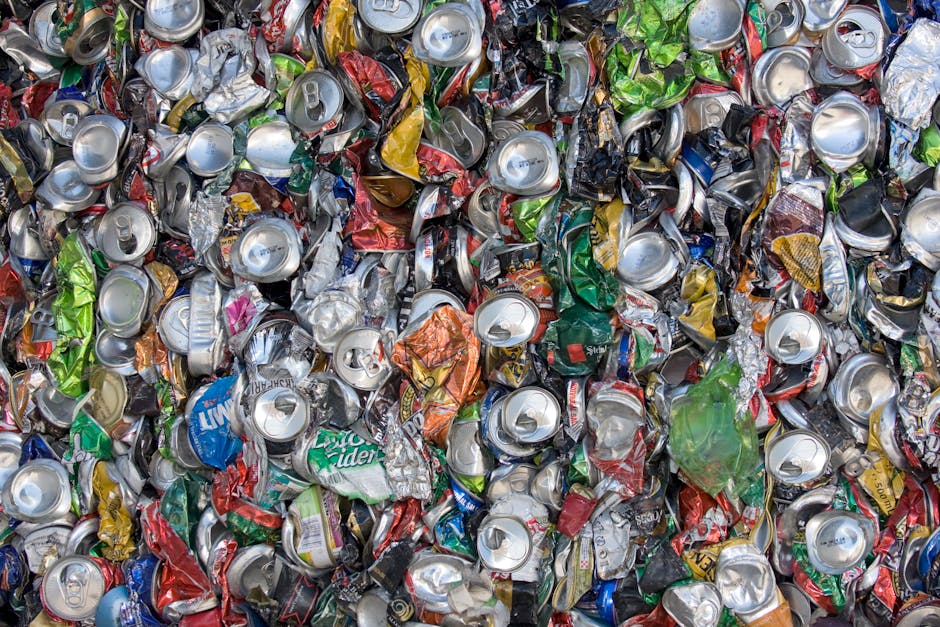
- Aluminum Cans (UBCs): Used Beverage Cans (UBCs) are a high-volume commodity. While the individual aluminum cans are lightweight, they are highly sought after by recyclers because they are made of a consistent, high-quality alloy.
- Turnings and Borings: These are the byproduct of machining. Because they are often contaminated with cutting fluids and oils, they require extensive cleaning, which significantly lowers their value.
For a detailed breakdown of how these specific grades are valued in the current market, refer to our resource on the Aluminum Scrap Price Per Kg Australia 2026 All Grades. Proper segregation is the single most effective way to ensure you are paid the top-tier rate rather than a bulk mixed-scrap rate.
Factors Influencing Your Return
Beyond the LME, several local factors determine the actual cash you receive at the weighbridge. The first is volume. Scrap yards operate on thin margins and high throughput; therefore, larger, cleaner loads are always more profitable. If you bring in a truckload of sorted, clean extrusion, you will almost always negotiate a better price than someone bringing in a bucket of mixed, dirty aluminum.
Another factor is the proximity to processing hubs. Australia is a vast continent, and transport costs are a major component of the final price. If you are located in a remote area, the cost of freight to get your scrap to a major recycling facility will be deducted from the price you are paid. Conversely, if you are near a major port, you may see higher prices as your scrap is closer to export markets.
Finally, consider the competition. Not every scrap yard has the same capability to process materials. Some yards are merely collection points that sell to larger processors, while others have their own shredding and melting facilities. Working directly with a primary processor—such as those found on Scrap Trade Australia—can often cut out the middleman and increase your margins.
The Environmental and Economic Imperative
Recycling aluminum is one of the most successful environmental stories of the modern era. The energy savings mentioned earlier are not just a talking point; they are a massive reduction in carbon emissions. By choosing to recycle rather than landfill, you are contributing to a closed-loop system that preserves natural resources and reduces the need for destructive bauxite mining.
From an economic standpoint, the scrap industry is a vital indicator of national health. High levels of scrap trade suggest a robust construction and manufacturing sector. When you sell your scrap, you are injecting liquidity back into the supply chain, allowing manufacturers to access affordable, high-quality materials without relying on volatile international supply lines. While many people focus on aluminum, it is worth noting that other metals like stainless steel also follow similar market cycles; you can track the Stainless Steel Scrap Price to see how your entire metal bin collection compares.
Best Practices for Scrap Yard Transactions
To ensure you are treated as a professional, always arrive at the yard with your material sorted. Do not mix aluminum with steel, copper, or lead. Most yards use high-end XRF (X-ray fluorescence) analyzers to detect the chemical composition of your metal. If you try to pass off a load of ‘dirty’ aluminum as ‘clean’ extrusion, the analyzer will catch it, and you will be downgraded to the lowest possible price tier.
Keep records of your transactions. If you are a business, you should be tracking your scrap output as a revenue stream. By keeping a log of the weight, grade, and price received, you can identify trends in your own waste generation and adjust your internal processes to maximize purity. For example, if you are a window manufacturer, implementing a strict ‘no-contamination’ policy for your offcuts can increase your scrap value by 20-30% compared to allowing workers to toss mixed waste into a single bin.
The Future of Aluminum Recycling
The industry is currently moving toward ‘closed-loop’ recycling, where manufacturers partner directly with recyclers to ensure their specific alloys are returned to them for reuse. This reduces the need for alloying elements and creates a more sustainable product. We are also seeing an increase in automation at the yard level, with AI-driven sorting machines capable of identifying alloys at speeds human workers cannot match. This technology will eventually lead to more accurate pricing and higher payouts for the scrap generator.
As we look toward the next decade, the demand for aluminum will only grow, driven by the electric vehicle (EV) revolution and the need for lightweight, energy-efficient infrastructure. Aluminum is the metal of the future, and those who understand the nuances of its market—from the aluminum scrap price to the logistics of global trade—will be well-positioned to benefit from this shift. Remember, the key to success is staying informed, maintaining high standards of material purity, and partnering with reputable processors who value transparency and fair market pricing. Visit Scrap Trade to stay updated on the latest industry shifts and to connect with verified buyers who understand the true value of your scrap.
Frequently Asked Questions
Why does the aluminum scrap price change so frequently?
Aluminum prices are tied to the London Metal Exchange (LME), which reacts daily to global supply, demand, energy costs, and currency exchange rates. Local scrap yards adjust their buy prices based on these global benchmarks plus their own operational costs.
How can I get the highest price for my aluminum scrap?
The best way to maximize your return is to properly sort your scrap by grade, such as separating clean extrusion from cast aluminum or sheet. Ensuring your scrap is free of contaminants like plastic, steel, or rubber will also help you secure the top-tier market rate.
Does the weight of my scrap load affect the price per kg?
Yes, many scrap yards offer volume-based pricing. Larger, consistent loads are more efficient for the yard to process and transport, which often allows them to offer a more competitive price per kilogram than they would for small, one-off loads.
Is there a difference in price between aluminum cans and other scrap?
Yes. Used Beverage Cans (UBCs) are a specific, high-purity alloy that is highly sought after for its ease of recycling. While they are valuable, they are often priced differently than industrial scrap like window frames or engine blocks due to the processing required to handle lightweight, high-volume items.