

Understanding the price of scrap copper near me is essential for anyone looking to capitalize on the high demand for this critical industrial metal. As a primary conductor in everything from residential electrical wiring to complex renewable energy infrastructure, copper remains one of the most valuable commodities in the Australian recycling sector. Whether you are a professional tradesperson clearing a job site or a DIY enthusiast renovating a home, knowing how to identify, sort, and sell your copper can significantly impact your bottom line. Our comprehensive Scrap Copper resource provides the foundational knowledge required to navigate the market with confidence. By tracking Copper Scrap Price Guide: Current Market Values & Recycling Tips, you ensure that you are not leaving money on the table when you visit a local yard. The volatility of global metal prices today means that staying informed is the difference between a mediocre payout and a premium return on your scrap collection.
How Global Market Forces Determine the Price of Scrap Copper Near Me
The price of scrap copper near me is not determined by local scrap yards in isolation; it is a direct reflection of international financial markets. The London Metal Exchange (LME) sets the benchmark for copper prices globally, which then cascades down to local Australian buyers after accounting for currency exchange rates, shipping, and processing costs. When you look up current scrap prices, you are essentially looking at a localized version of the LME spot price. Several macroeconomic factors drive these fluctuations. Firstly, global industrial production, particularly in China and the US, dictates demand. When construction and manufacturing sectors boom, copper demand spikes, driving up the price per kg. Secondly, the strength of the Australian Dollar (AUD) plays a pivotal role. Since copper is traded in USD, a weaker AUD often results in higher local prices for exporters and recyclers, which can translate to better rates for you at the scales. Furthermore, geopolitical stability in major copper-producing nations like Chile and Peru can disrupt supply chains, causing sudden price surges. Understanding these dynamics allows savvy sellers to time their sales during market peaks. For those tracking broader trends, it is also worth noting how other materials perform, such as the Aluminum Scrap Price In 2026, which often follows similar macroeconomic cycles. Always verify the latest rates at professional metal recycling services to ensure your local yard is providing a competitive quote based on current market data.
Categorizing Scrap Copper: From Bare Bright to Number 2
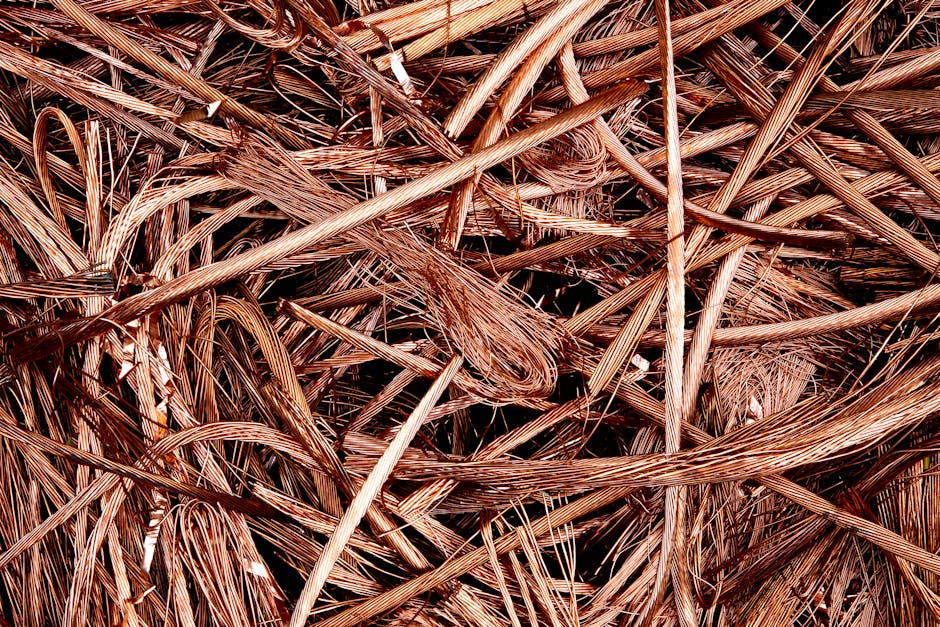
To maximize your profit, you must understand the grading system. Scrap yards do not pay a flat rate for all copper; they pay based on purity and the effort required to process the material. Bare bright copper is the gold standard. This consists of clean, unalloyed, uncoated, and uninsulated copper wire, typically 16-gauge or thicker, with no oxidation or contaminants. Because it requires zero processing, it commands the highest price per kg. Moving down the ladder, we find Number 1 copper, which includes copper pipe and tubing that is free of solder, paint, or heavy oxidation. It is clean and essentially ready for the furnace. The next grade is Number 2 copper, which is the most common form found in demolition. This grade includes copper that has been soldered, contains small amounts of impurities, or has slight oxidation. While the price is lower than bare bright, it is still a highly sought-after commodity. Finally, there is insulated copper wire, which is graded based on the percentage of copper recovery after the plastic insulation is stripped. If you are searching for Scrap Copper Prices Near Me, ensure you have separated your loads into these distinct categories before arriving at the yard. Mixing grades can result in the yard paying you the lowest common denominator price for the entire batch. Investing time in stripping insulation from heavy-gauge wire can often double or triple your return, as the labor-intensive process of mechanical stripping is rewarded by the higher grade classification.
The Practical Mechanics of Copper Recycling
The process of recycling copper is a marvel of industrial efficiency. Once you drop off your scrap, it is weighed and inspected for contaminants. If you have brought in copper pipe, the yard will check for brass fittings or lead solder, which lower the purity. Once accepted, the material is shredded or granulated to separate the copper from plastics, rubber, or other metals. High-powered magnets are used to pull out ferrous metals, while air classifiers and density separators remove lighter plastic insulation. The resulting clean copper granules are then melted down in large furnaces to create new copper ingots or billets. These are then sold to manufacturers to be drawn into new wire, pipe, or sheet metal. This closed-loop system is highly efficient; copper can be recycled indefinitely without losing its physical or chemical properties. In fact, nearly 80% of all copper ever mined is still in use today. For the individual seller, this means your scrap is not just waste—it is a vital part of a circular economy. By choosing to recycle through reputable scrap trading platforms, you are directly contributing to the conservation of finite natural resources. The energy required to recycle copper is up to 85% less than the energy required to mine and refine virgin copper ore. This energy saving is a massive environmental win, reducing the carbon footprint of the entire construction and manufacturing industry.
Environmental Benefits and the Future of Copper
Beyond the financial incentives, recycling copper is one of the most effective ways to reduce environmental degradation. Mining for virgin copper involves massive open-pit operations that destroy habitats, consume vast amounts of water, and produce toxic tailings. When you recycle copper wire or pipe, you are reducing the demand for new mining operations. This preservation of landscape and water quality is a critical component of sustainable industrial practices. Furthermore, the push toward electrification—specifically in electric vehicles (EVs) and renewable energy storage—is creating an unprecedented demand for copper. An EV can contain up to four times more copper than a traditional internal combustion engine vehicle. As Australia moves toward a net-zero future, the importance of copper in our national infrastructure will only increase. This long-term trend suggests that the value of scrap copper will remain high for the foreseeable future. Sellers who understand this can position themselves to benefit from the ongoing transition. By keeping your scrap clean and properly sorted, you are not just making a quick buck; you are facilitating a more efficient, sustainable supply chain for the next generation of technology. Always keep an eye on industry reports to understand how these technological shifts are influencing the price per kg. Whether you are dealing with industrial-grade cabling or residential plumbing scrap, your contribution to the recycling stream is a tangible act of environmental stewardship that supports the broader Australian commitment to a sustainable future.
Strategic Tips for Maximizing Your Payout
To consistently get the best return, you need a strategy. First, build a relationship with a local yard. Yards that see you as a regular, reliable source of clean, well-sorted material are more likely to offer you a better price than a one-time visitor. Second, keep track of the market. Use apps or websites that track metal prices today to know when to hold onto your stock and when to sell. If the market is in a temporary dip, and you have the storage space, it might be worth waiting a few weeks for a rebound. Third, invest in basic tools. A pair of heavy-duty wire strippers or a simple hand-cranked wire stripping machine can pay for itself in a single weekend of work. Fourth, keep your scrap dry and free of debris. Rust, dirt, and oil can lead to your material being downgraded. Finally, always ask for a scale check if you are skeptical, and ensure you are dealing with a licensed facility. A professional yard will provide a clear receipt detailing the weight and the grade of the material sold. This transparency is vital for your own record-keeping and ensures you are being paid fairly based on the current market value. Remember, the goal is to provide the yard with a product that requires the least amount of effort for them to process. The cleaner your copper, the higher your price. By treating your scrap collection as a professional venture rather than a chore, you will find that the returns are consistently higher and the process becomes a reliable secondary income stream.
Frequently Asked Questions
What is the difference between bare bright and number 2 copper?
Bare bright copper is clean, uninsulated, and unoxidized wire, which fetches the highest market price. Number 2 copper includes wire or pipe that may have solder, paint, or light oxidation, making it less pure and therefore lower in value.
How often do scrap copper prices change?
Scrap copper prices typically fluctuate daily based on the London Metal Exchange (LME) and currency exchange rates. It is recommended to check current market rates on the day you plan to sell.
Does the insulation on copper wire affect the price?
Yes, insulation significantly affects the price because the yard must account for the weight of the plastic and the cost of removing it. Stripping the insulation yourself often results in a significantly higher payout per kilogram.
Why is it important to sort my scrap metal before going to the yard?
Sorting your scrap ensures you get paid the maximum rate for each grade. If you mix high-grade copper with lower-grade or contaminated materials, the yard will often pay you the lower, blended rate for the entire load.