

Understanding current copper scrap prices is the cornerstone of a profitable metal recycling strategy for contractors, demolition experts, and industrial operators across Australia. Because copper is a globally traded commodity, its value is intrinsically linked to the London Metal Exchange (LME) and the strength of the Australian Dollar against the US Greenback. By monitoring current copper scrap prices, you can time your sales to coincide with market peaks, ensuring that your copper wire, pipe, and industrial offcuts yield the highest possible return. This guide provides the technical expertise required to navigate the complexities of the metal recycling industry, helping you turn waste into a significant revenue stream.
The Mechanics of Copper Valuation in Australia
The pricing of scrap metal is rarely static. When you check current copper scrap prices, you are viewing a snapshot of a highly volatile market influenced by global industrial demand, geopolitical stability, and mining output. Australian scrap yards base their daily buy rates on the LME, applying a percentage discount to account for processing costs, logistics, and profit margins. To gain a broader perspective on the market, you should regularly consult our Current Scrap Metal Prices page for real-time adjustments.
Several factors dictate the variance in price per kg. First, global demand for electronics and green energy infrastructure drives copper consumption. Second, currency fluctuations play a massive role; since copper is priced in USD, a weaker AUD often results in higher prices for local sellers. Third, local yard overheads, including transport, labor, and sorting technology, impact the final offer you receive. For those looking to compare local offerings, searching for Scrap Copper Prices Near Me is an essential step in identifying the most competitive buyer in your region. For a deeper dive into the specific dynamics of the 2024 landscape, refer to our Current Scrap Copper Prices: Complete 2024 Australian Market analysis.
Mastering Copper Grades for Maximum Profit
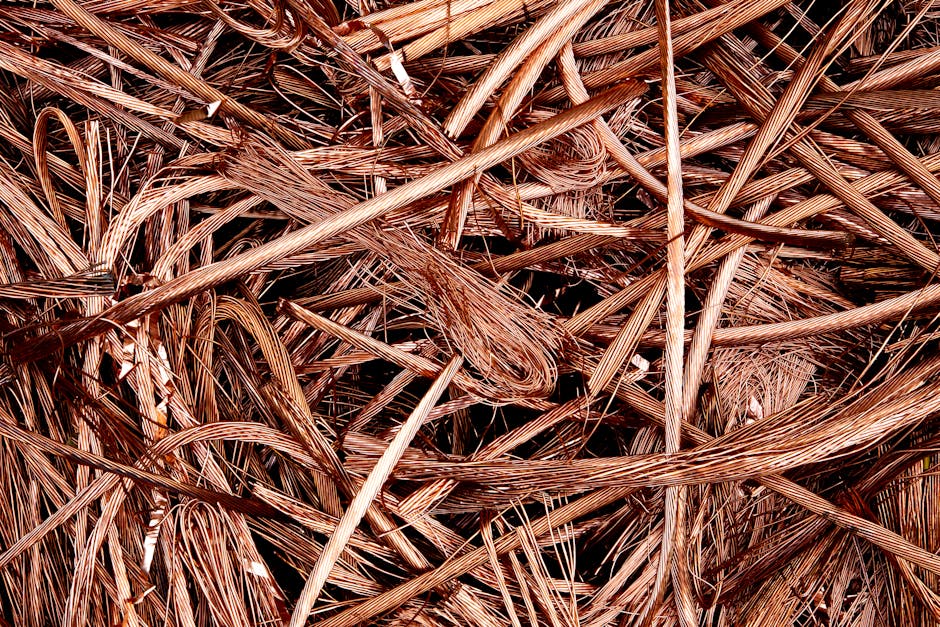
Not all copper is created equal, and failing to grade your load correctly is the most common reason sellers leave money on the table. The industry standard classifies copper into distinct grades, each commanding a different price per kg. Bare bright copper is the gold standard; it consists of clean, unalloyed, uncoated, and uninsulated wire, usually 16-gauge or thicker. Because it requires no processing, it fetches the highest premium. If your copper wire has even a thin layer of oxidation or light insulation, it drops to a lower grade.
Number 1 copper includes clean, unalloyed copper pipe and bus bars, free of solder, paint, or heavy oxidation. Number 2 copper is the next step down, often containing minor impurities like solder joints, light oxidation, or paint. If you are dealing with large quantities of copper pipe, ensuring it is free of brass fittings or plastic attachments will significantly improve your payout. Understanding these distinctions allows you to separate your scrap effectively, ensuring that your high-value materials aren’t downgraded to a lower price bracket due to contamination.
The Lifecycle of Recycled Copper
Recycling copper is a highly efficient process that consumes up to 85% less energy than extracting virgin ore from the earth. When you deliver your scrap to a facility managed by an expert like Scrap Trade Australia, the material undergoes a rigorous sorting process. Automated shredders and magnetic separators remove steel contaminants, while eddy current separators isolate non-ferrous metals. The sorted copper is then melted in a furnace, refined to remove trace elements, and cast into anodes or ingots for manufacturing.
This circular economy is vital for Australia’s industrial sustainability. Because copper is infinitely recyclable without losing its chemical or physical properties, the scrap you sell today could be refined and back in the manufacturing supply chain within weeks. By participating in this system, you are not only securing a financial return but also reducing the environmental impact of mining, which is notoriously energy-intensive and ecologically disruptive. Every kilogram of recycled copper saves thousands of liters of water and prevents significant carbon emissions.
Strategic Tips for Sellers
To maximize your returns, treat your scrap collection as a business unit. First, always strip your copper wire if you have the volume to justify the labor cost; the price difference between insulated wire and bare bright is substantial. Second, keep your loads clean. Mixing different metals, such as brass or aluminum, into your copper bin will result in the entire load being downgraded to a ‘mixed’ or ‘dirty’ price. Third, build a relationship with a reputable yard. Yards often provide better pricing and faster service to repeat commercial clients who provide consistent, high-quality material.
Finally, keep an eye on the broader Scrap Metal Prices to understand the correlation between copper and other non-ferrous metals. Often, if the market for copper is rising, other metals like lead and zinc may follow, allowing you to optimize your entire scrap haul. Always ask for a printed scale ticket and ensure your material is weighed in your presence. Transparency is the hallmark of a professional recycling partner, and you should never hesitate to clarify how your material was graded or why a specific price was applied.
Environmental and Economic Impact
The economic contribution of the Australian scrap industry is massive, supporting thousands of jobs in logistics, processing, and manufacturing. Beyond the immediate cash flow, the environmental benefits are compelling. Mining for copper involves large-scale land clearing and the generation of toxic tailings. By choosing to recycle, you are actively participating in a global effort to preserve natural resources. The industry is moving toward more sophisticated recovery methods, including chemical leaching and advanced robotic sorting, which will only increase the purity and value of recycled copper in the coming years.
As Australia transitions toward a green energy future, the demand for copper—a key component in electric vehicle motors, charging infrastructure, and solar panel wiring—is expected to climb. This structural shift in the global economy suggests that long-term demand for high-quality scrap will remain robust. By staying informed on current copper scrap prices and maintaining high standards for your scrap collection, you are positioning yourself to benefit from this long-term trend. Whether you are a small-scale contractor or a large industrial firm, the principles of proper sorting, market awareness, and strategic timing remain the most effective tools for success in the Australian metal recycling market.
Frequently Asked Questions
What is the difference between bare bright and number 2 copper?
Bare bright copper is clean, unalloyed, and uninsulated wire, representing the highest purity grade. Number 2 copper contains minor impurities such as solder, light oxidation, or paint, which requires more processing and therefore commands a lower price.
How often do scrap metal prices change?
Scrap metal prices fluctuate daily in response to the London Metal Exchange (LME) spot rates and currency exchange rates. It is recommended to check local yard prices frequently if you are holding significant inventory.
Does stripping copper wire really increase profit?
Yes, stripping insulation from copper wire significantly increases the value per kg by moving it from a lower-priced insulated grade to a higher-priced bare bright grade. However, you must calculate the labor cost against the potential price increase to ensure it is profitable for your volume.
Why is copper recycling important for the environment?
Recycling copper uses up to 85% less energy than mining and refining virgin ore. It also prevents habitat destruction and reduces the carbon footprint associated with large-scale industrial mining operations.