
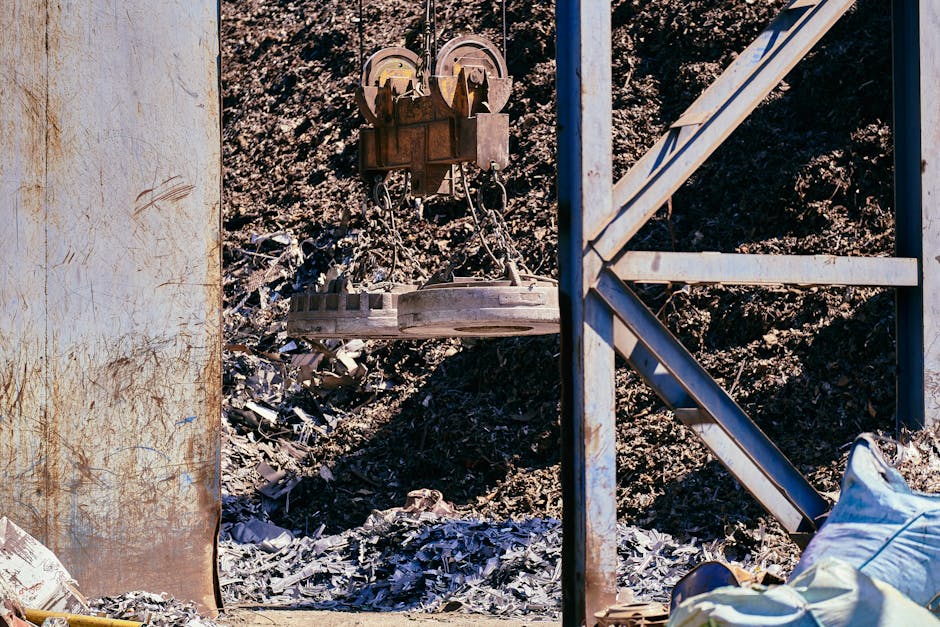

Understanding the current mild steel scrap price is essential for any professional contractor, demolition expert, or industrial facility manager looking to optimize their waste management revenue. As a primary category of ferrous metal, mild steel forms the backbone of Australia’s construction and manufacturing sectors, meaning its market value acts as a barometer for the broader economy. If you are looking to maximize your returns, it is vital to understand that the price per kg you receive at the weighbridge is not arbitrary; it is the result of complex global supply chains, energy costs, and local processing capabilities. Whether you are clearing a construction site or managing an industrial scrap yard, knowing how to categorize your steel ensures you get the best Current Scrap Price for Mild Steel: A Comprehensive Market Guide for your specific load.
The Mechanics of Mild Steel Scrap Pricing
The pricing of scrap steel is rarely static. It is governed by the ‘ferrous cycle,’ which links the price of virgin iron ore to the demand for recycled content in new steel production. When global infrastructure projects increase, the demand for steel spikes, pushing up the price per tonne. Conversely, when manufacturing slows, the surplus of scrap steel drives prices down. In Australia, local scrap metal prices today are heavily influenced by our export relationships with Asian steel mills. These mills require consistent, high-quality feedstock, and your scrap must meet specific cleanliness standards to command the top market rate. You can track these shifts by consulting resources like professional metal recycling services to ensure you are selling at the right time.
Beyond global trends, local logistics play a massive role. The cost of transporting heavy metal often exceeds the value of the material itself if the volume is too low. This is why commercial sellers often receive better rates than residential sellers; the economy of scale allows recyclers to absorb the logistics costs. When calculating your expected return, always factor in the ‘gate price’ versus the ‘collected price.’ If you are managing large volumes, you might find more value in our Scrap Steel Price Per Kg A Complete Guide For Sellers to better understand how to prepare your loads for maximum profitability.
Categorizing Your Scrap: Grades and Quality
Not all steel is created equal. To get the best mild steel scrap price, you must understand how recyclers grade your material. Ferrous metal is generally sorted into categories like ‘Heavy Melting Steel’ (HMS) 1 and 2, ‘Plate and Structural’ (P&S), and ‘Light Gauge’ or ‘Sheet’ steel. HMS 1 consists of thicker, cleaner sections of steel, which are highly prized because they have a lower surface-area-to-mass ratio, meaning they oxidize less and melt more efficiently in an electric arc furnace. If your scrap contains contaminants like plastic, rubber, or non-ferrous metals, it will be downgraded, significantly reducing your price per kg.
It is also important to distinguish your mild steel from other alloys. For instance, if you have high-grade industrial offcuts, compare them against the Stainless Steel Scrap Price, as these materials command vastly different market rates due to their nickel and chromium content. Similarly, if you are clearing out a job site, don’t overlook non-ferrous components; checking the Aluminum Scrap Price In 2026 can help you identify hidden value in window frames or cabling that often gets mixed into general steel bins. Keeping these grades separated at the source is the single most effective way to increase your total payout.
The Environmental and Economic Impact of Recycling
Recycling steel is one of the most energy-efficient industrial processes in existence. By using scrap steel instead of virgin iron ore, manufacturers can reduce energy consumption by up to 75% and carbon emissions by 80%. This is because the energy required to melt down existing steel is significantly lower than the energy required to mine, crush, transport, and refine raw iron ore. For Australian businesses, this creates a compelling narrative for ESG (Environmental, Social, and Governance) reporting. When you recycle with a reputable partner, you are not just liquidating an asset; you are participating in a circular economy that directly reduces the environmental footprint of the construction industry.
Furthermore, the domestic recycling industry supports thousands of jobs across Australia. By keeping scrap metal within the local supply chain, we reduce our reliance on imported steel, which is often subject to volatile shipping costs and international tariffs. This creates a more stable, predictable market for everyone involved. When you sell your scrap, you are effectively fueling a local industry that turns yesterday’s infrastructure into tomorrow’s skyscrapers. This is a vital component of sustainable urban development in growing cities like Sydney, Melbourne, and Brisbane.
Best Practices for Maximizing Your Returns
To consistently secure the best mild steel scrap price, preparation is key. First, ensure your scrap is free of ‘attachments.’ This includes removing hydraulic cylinders, heavy bolts, or concrete chunks from steel beams. Recyclers charge a ‘deduction’ for contaminants, which is often calculated as a percentage of the total weight. If your load is 10% concrete by weight, you are losing 10% of your potential revenue immediately. Second, sort your scrap by size. If you have large, oversized pieces, consider cutting them down to standard furnace sizes (typically under 1.5 meters). This makes the material easier for the recycler to process and often qualifies you for a premium ‘prepared’ price.
Third, keep an eye on market cycles. While you cannot control the global steel price per tonne, you can control when you sell. If you have the storage space, it is often wise to accumulate scrap during periods of low market activity and sell when demand peaks. Finally, build a relationship with a local yard. A yard that knows you provide clean, well-sorted material will prioritize your loads and offer better service. Always ask for a printed weighbridge ticket and ensure the scale is certified, as transparency is the cornerstone of a fair trade in the scrap metal industry. By following these professional standards, you transform scrap management from a logistical burden into a reliable income stream.
Ultimately, the market for ferrous scrap is a sophisticated ecosystem. Whether you are a small-scale collector or a large demolition contractor, the principles remain the same: quality, volume, and timing are your primary levers. By understanding the underlying factors that dictate the mild steel scrap price, you position yourself to make informed decisions that benefit your bottom line and the environment. Stay informed, keep your materials clean, and treat your scrap as the valuable resource it truly is. As the industry moves toward greater transparency and higher recycling targets, those who master these logistics will find themselves at a distinct competitive advantage in the Australian market.
Frequently Asked Questions
Why does the mild steel scrap price fluctuate so much?
Prices fluctuate based on global demand for steel, the cost of iron ore, and energy prices. Because steel is a global commodity, international supply chain disruptions or shifts in manufacturing output in major economies directly impact the local price per kg.
How can I get a better price for my scrap steel?
The best way to increase your return is to ensure your scrap is clean and sorted. Removing non-metallic contaminants like wood, concrete, and plastic, and separating different grades of metal, will prevent the recycler from applying deductions to your final payment.
Is there a minimum amount of scrap I need to sell?
Most commercial scrap yards accept small loads, but you will get the best value and potentially free collection services if you have larger volumes. It is always recommended to call your local yard ahead of time to discuss your specific load size and current pricing.
Does the size of the steel pieces affect the price?
Yes, ‘prepared’ steel—which is cut into manageable, furnace-ready sizes—often fetches a higher price than ‘unprepared’ or oversized scrap. Recyclers pay more for material that requires less processing time and equipment to prepare for the smelter.