
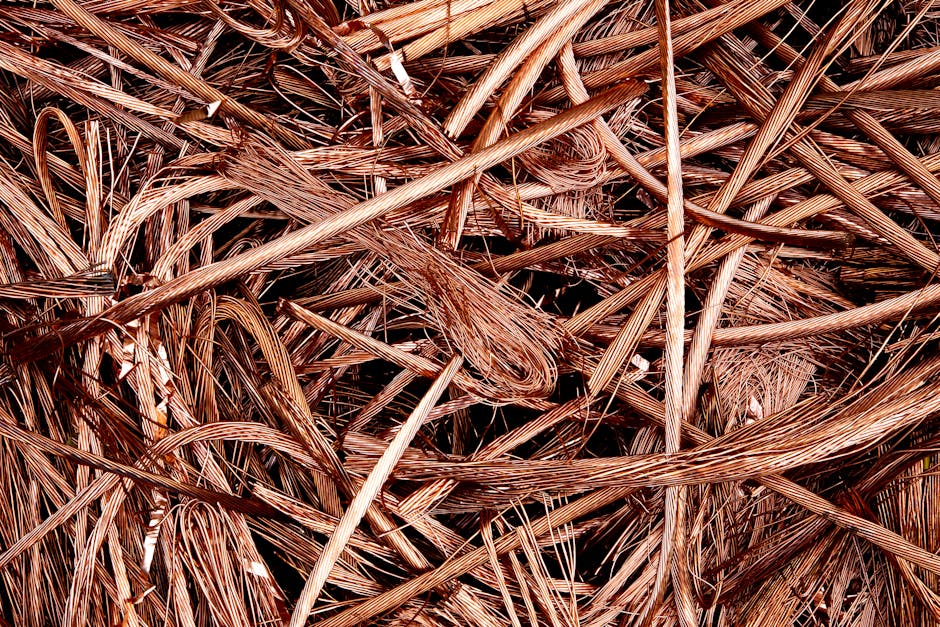

Navigating the complex landscape of scrap copper near me prices requires an understanding of how global commodity markets translate into the cash you receive at your local yard. Because copper is a base metal with infinite recyclability, its value is tied directly to industrial demand, infrastructure projects, and the health of the Australian economy. When you search for Scrap Copper Prices Near Me, you are looking at a snapshot of a volatile market that changes daily. To maximize your returns, you must treat your scrap as a commodity that requires sorting, cleaning, and strategic timing. This guide serves as your authoritative resource for understanding the mechanics of Scrap Copper valuation and how you can optimize your recycling efforts for the best financial outcome.
The Mechanics of Copper Valuation: How Prices Are Set
The price you see at the scale is rarely arbitrary. It begins at the London Metal Exchange (LME), where copper is traded as a global commodity. This LME price is the baseline, but the scrap copper near me prices you encounter in Australia are heavily influenced by the AUD/USD exchange rate. Since copper is traded in US dollars, a strong Australian dollar can sometimes dampen the local price, while a weaker dollar may boost it. Beyond currency, local scrap yards factor in their overheads, which include transportation, processing, smelting, and the margin required to turn a profit.
To get a clearer picture of the broader market, you should regularly monitor Scrap Metal Prices. These fluctuate based on supply chain disruptions, mining output in countries like Chile and Peru, and the transition toward green energy. Because copper is essential for electric vehicles (EVs) and renewable energy infrastructure, long-term demand remains high. However, short-term price per kg shifts are common. If you are holding a large volume of material, timing your sale during a market upswing can significantly impact your total revenue. Always remember that the quote you receive is a reflection of the current spot price minus the costs of turning your scrap into a furnace-ready product.
Understanding Copper Grades: Bare Bright vs. Number 2
Not all copper is created equal. The most critical factor in determining your payout is the grade of the material. Yards classify copper based on purity, oxidation levels, and the presence of contaminants like solder, paint, or plastic insulation. Understanding these categories is the most effective way to increase your profit margins.
- Bare Bright Copper: This is the gold standard. It consists of unalloyed, uncoated, and unoxidized copper wire, usually 16 gauge or thicker. It must be free of any insulation or debris. Because it requires minimal processing, it commands the highest price per kg.
- Number 1 Copper: This grade includes clean, unalloyed copper pipe and wire that may show slight oxidation but is free of solder, paint, or other impurities. It is slightly less valuable than bare bright but remains a top-tier material.
- Number 2 Copper: This includes copper that has been contaminated or alloyed. This might be wire with solder, copper pipe with brass fittings, or material that has significant oxidation or paint. It requires more intensive processing at the refinery, which is why it fetches a lower price.
- Insulated Copper Wire: This is copper that still has its plastic or rubber coating. The value here depends on the “recovery rate”—the percentage of actual copper metal inside the insulation. High-grade data cables or heavy-duty power cables will have a better recovery rate than thin, low-voltage wire.
By segregating your scrap before you head to the yard, you prevent your high-value bare bright copper from being downgraded to the price of number 2. This simple step is the most actionable advice for anyone looking to improve their returns. For a detailed breakdown of how to prepare your materials, refer to our Scrap Copper Prices in Australia: Market Value & Recycling Guide.
Factors Affecting Cost and Local Market Dynamics
Why do scrap copper near me prices vary from one suburb to the next? Several localized factors come into play. First, the proximity to a major smelting facility or export port reduces transport costs for the scrap dealer. Yards located in industrial hubs often have more competitive pricing because they move higher volumes and have lower logistics expenses. Second, the level of competition in your immediate area matters. If there are multiple scrap metal merchants within a 20-kilometer radius, they are more likely to offer competitive rates to secure your business.
Another factor is the volume you are selling. Commercial quantities—such as those from demolition sites or electrical contracting firms—are almost always offered higher rates than small, household amounts. This is because the yard saves on administrative and processing costs when handling large, uniform batches. If you are a small-scale recycler, consider consolidating your scrap over several months rather than making frequent, small trips. This allows you to sell in bulk and potentially negotiate a better price per kg. You can find reliable local partners by visiting Scraptrade.com.au to connect with reputable buyers in your region.
The Recycling Process: From Scrap to Commodity
The journey of your scrap copper is a testament to the circular economy. Once you sell your material to a yard, it is weighed and inspected. The yard then sorts it further, often using magnetic separators to remove ferrous contaminants and optical sorters to identify different alloys. The material is then shredded or baled to increase its density for efficient transportation.
From there, the scrap is sent to a secondary smelter. Unlike primary mining, which is energy-intensive and environmentally destructive, recycling copper requires up to 85% less energy. The scrap is melted in a furnace, refined to remove impurities, and cast into copper anodes or cathodes. These are then rolled into sheets, drawn into wires, or cast into tubes for new construction, electronics, and automotive parts. By participating in this cycle, you are not just making money; you are actively reducing the demand for virgin mining, which saves water, prevents habitat destruction, and lowers carbon emissions associated with ore extraction.
Environmental and Economic Benefits of Recycling
The environmental case for recycling copper is undeniable. Copper is one of the few materials that can be recycled indefinitely without losing its chemical or physical properties. Every tonne of recycled copper saves approximately 3.5 tonnes of CO2 emissions compared to mining new ore. Furthermore, the mining process creates massive amounts of tailings and toxic waste; recycling effectively keeps these materials out of the ground and in the economy.
Economically, the scrap industry is a vital part of the Australian manufacturing supply chain. It provides a steady stream of raw materials to local industries, reducing reliance on expensive and volatile international imports. When you choose to recycle your copper rather than throwing it in a general skip bin, you are contributing to a more resilient, sustainable, and profitable national economy. The price per kg you receive is the market’s way of rewarding you for keeping a valuable, finite resource in circulation.
Strategic Tips for Maximizing Your Payout
To consistently get the best value, you must treat your scrap collection like a business. Keep your copper clean. If you have copper pipes, remove any brass valves or lead solder joints before heading to the yard. If you have insulated wire, consider whether it is worth your time to strip the insulation. While stripping wire by hand is labor-intensive, the price difference between insulated wire and bare bright is often significant enough to justify the effort if you have the right tools, such as a wire stripping machine.
Stay informed about metal prices today by checking industry news and local yard websites. Market trends are often cyclical; if you see a dip in prices, it might be worth holding onto your stock for a few weeks if you have the storage space. Conversely, if you see a sharp spike, it is the perfect time to clear out your shed. Finally, build a relationship with a local yard. Managers are more likely to provide transparent pricing and helpful advice to regular, honest suppliers who bring in well-sorted, high-quality material. Do not be afraid to ask for a quote over the phone before you drive down, especially if you have a significant amount of material to move. Being prepared and knowledgeable is the surest way to navigate the market successfully.
Frequently Asked Questions
Why does the price of copper change so frequently?
Copper prices are driven by global supply and demand, the LME spot price, and currency fluctuations. Because it is a global commodity, any shift in mining output or manufacturing demand causes immediate price adjustments.
Is it worth stripping the insulation off my copper wire?
Yes, if you have the right tools. Stripping insulation moves your material from a lower-value ‘insulated’ grade to a high-value ‘bare bright’ grade, which significantly increases the price per kilogram.
What is the difference between Number 1 and Number 2 copper?
Number 1 copper is clean, unalloyed, and free of contaminants like paint or solder. Number 2 copper is typically contaminated, alloyed, or oxidized, requiring more intensive processing at the refinery.
How can I ensure I am getting a fair price for my scrap?
Always sort your materials by grade before visiting the yard and check current market rates online. Building a relationship with a reputable local scrap dealer and selling in larger, sorted volumes will help ensure you receive the best possible payout.