

Navigating the fluctuating copper scrap rate is essential for anyone involved in the metal recycling industry, from trade professionals to individual collectors. Because copper is a globally traded commodity, the price you receive at the yard is a reflection of international market sentiment, domestic demand, and the specific quality of the metal you bring to the scale. Understanding the nuances of how these rates are calculated—and how to properly sort your materials—is the single most effective way to increase your profit margins. Whether you are dealing with industrial-grade copper wire or salvaged copper pipe, the difference between a mediocre payout and a premium return lies in your ability to grade your scrap accurately. For those looking to stay ahead of the curve, our Understanding the Rate of Copper Scrap: A Comprehensive Guide provides the foundational knowledge required to master these market dynamics. The volatility of the copper scrap rate means that timing your sales and understanding the local supply chain is just as important as the physical act of collecting the metal. By engaging with reputable platforms like professional scrap metal traders in Australia, you ensure that your materials are valued according to transparent, industry-standard metrics rather than guesswork.
The Hierarchy of Copper Grades: Maximizing Your Return
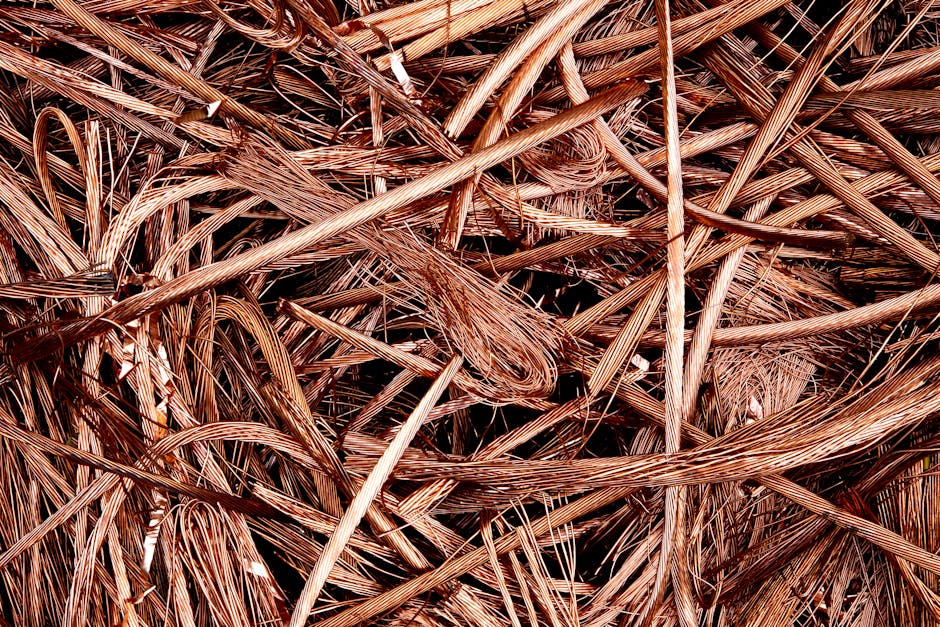
To maximize your return, you must treat your scrap like a commodity. Yards pay based on the percentage of pure copper content and the level of contamination present. The highest grade, often called ‘Bare Bright,’ consists of clean, unalloyed, uncoated copper wire that is free from insulation, paint, or oxidation. This material is highly sought after because it can be melted down and re-extruded with minimal processing, which keeps the copper scrap rate at its peak. Moving down the ladder, we encounter ‘Number 1 Copper,’ which includes clean pipe and wire that may have minor surface oxidation but remains free of attachments like solder, brass fittings, or plastic. ‘Number 2 Copper’ is a broader category that includes wire with some insulation, pipe with solder joints, or material that shows significant signs of weathering. Because Number 2 requires additional labor to strip or clean, the payout is lower. Understanding these distinctions is the difference between a standard payout and a premium one. Always aim to strip your copper wire whenever possible; the labor involved in removing insulation often pays for itself many times over in the price differential between insulated scrap and bare metal. If you are curious about how international markets influence local pricing, comparing your current returns against the Scrap Rate India can provide context on global arbitrage, though domestic logistics remain the primary driver of your local price.
The Mechanics of Copper Recycling: From Yard to Refinery
The journey of a copper pipe from your job site to a new product is a marvel of modern circular economics. When you drop off your load at a yard, the material is weighed and inspected for ‘down-grading’ factors. Contamination is the enemy of profit; items like steel screws, brass valves, or plastic connectors attached to copper will lead the yard to categorize your entire load as a lower grade. Once the yard accumulates a sufficient volume, they process the metal through heavy-duty shearing or granulating machines. Granulation is particularly effective for insulated wire, where the copper is chopped into small pieces and then separated from the plastic casing using air tables and vibration. This high-purity copper ‘nugget’ is then sold to smelters or refineries. At the refinery, the copper undergoes electrolytic refining, where it is dissolved and re-deposited onto cathode plates, reaching 99.99% purity. This process is incredibly energy-efficient compared to mining virgin ore. By recycling, we reduce the need for open-pit mining, which consumes massive amounts of water and produces significant tailings. When you sell your Scrap Copper, you are participating in a global supply chain that values secondary raw materials as a critical resource for the green energy transition, particularly for electric vehicles and renewable energy infrastructure.
Environmental Impact and the Circular Economy
Recycling copper is one of the most environmentally impactful actions an individual or business can take. Copper is infinitely recyclable, meaning it can be melted down and reformed without losing its chemical properties or structural integrity. This makes it a cornerstone of the circular economy. The energy required to recycle copper is roughly 85% less than the energy required to extract and refine copper from raw ore. This massive reduction in energy consumption directly correlates to a lower carbon footprint for the construction and manufacturing sectors. Furthermore, the mining process is notoriously invasive, often leading to habitat destruction and water contamination. By prioritizing the recovery of copper pipe and wire, we mitigate the need for new mining projects. As the world pushes toward net-zero emissions, the demand for copper is skyrocketing due to its role in high-efficiency electrical systems. Consequently, the copper scrap rate is increasingly tied to the demand for ‘green’ metals. When you choose to recycle rather than discard, you are not just making a profit; you are contributing to a sustainable industrial ecosystem. For those looking to find the best local rates, checking Scrap Copper Prices Near Me is the best way to ensure you are capturing the full value of your material while supporting local recycling infrastructure.
Strategic Tips for Sellers: How to Prepare Your Scrap
Preparation is the single most significant factor in your final payout. If you are a contractor, implement a ‘sort at the source’ policy on your job sites. Use separate bins for clean copper, insulated wire, and contaminated items. This prevents cross-contamination, which is the fastest way to see your profit disappear. When dealing with copper wire, invest in a wire stripping machine if you handle large volumes. The difference in price between ‘insulated’ and ‘bare bright’ is often substantial enough to pay off the cost of the machine in just a few months of steady work. Avoid burning insulation off your wires. Not only is it illegal in many Australian states due to toxic emissions, but it also oxidizes the copper, turning it from a high-value grade into a lower-value, burnt-grade material. Always keep an eye on market trends. While we cannot predict the future, the copper scrap rate generally tracks with global economic health and construction activity. When the building sector is booming, copper demand—and thus the price—tends to rise. Building a relationship with a trusted yard is also a strategic move. Consistent, high-quality, and well-sorted deliveries make you a preferred supplier, which can sometimes lead to better-than-average rates for your volume. For more expert advice on managing your metal waste, visit our main resource hub at Scrap Copper to learn about industry best practices and logistics.
Future Trends: Why Copper Demand Will Remain High
The outlook for copper is exceptionally strong, driven by the global shift toward electrification. Copper is the primary conductor in electric motors, power grids, and battery systems. As Australia and the rest of the world transition away from fossil fuels, the sheer volume of copper required for grid upgrades and EV production is unprecedented. This long-term structural demand floor suggests that the copper scrap rate will remain a focal point for the recycling industry for decades to come. Unlike other commodities that may face obsolescence, copper is irreplaceable in its primary applications. Furthermore, as high-grade ore deposits become harder and more expensive to mine, the industry will rely more heavily on secondary scrap sources. This ‘urban mining’—the act of recovering metals from existing infrastructure—will become increasingly efficient. We are already seeing advancements in AI-driven sorting technologies at large-scale recycling facilities, which will further improve the purity levels of recycled copper. For the individual trader, this means that your scrap is a high-value asset that will only become more critical to the global economy. Staying informed and maintaining your reputation for quality will ensure you remain a vital part of this supply chain.
Conclusion: Turning Waste into Wealth
The copper recycling industry is a sophisticated, data-driven market that rewards those who take the time to understand its mechanics. By focusing on grade separation, investing in proper preparation tools, and staying informed about local and global price movements, you can optimize your returns significantly. Remember that every kilogram of copper you recycle represents a reduction in environmental burden and a direct contribution to the sustainability of the Australian economy. Whether you are a small-scale collector or a large industrial firm, the principles of sorting, cleaning, and timing remain the same. Use the resources provided here to refine your processes and ensure that you are always getting the best possible value for your scrap. The copper scrap rate is not just a number; it is a signal of the market’s need for one of the world’s most valuable materials. Treat your scrap with the respect it deserves, and the market will reward your effort accordingly.
Frequently Asked Questions
What is the difference between Number 1 and Number 2 copper?
Number 1 copper consists of clean, unalloyed wire or pipe free of solder, paint, or oxidation. Number 2 copper includes wire or pipe that has been soldered, contains minor contaminants, or shows significant oxidation.
Why does stripping insulation from copper wire increase the price?
Stripping insulation removes the non-metallic weight and allows the yard to process the copper immediately as ‘bare bright.’ This saves the recycler labor and equipment costs, which they pass on to you in the form of a higher price per kilogram.
How often do copper scrap rates change?
Copper scrap rates fluctuate daily, mirroring the London Metal Exchange (LME) spot prices for raw copper. Local yards typically adjust their pricing sheets to reflect these global movements alongside local demand and currency exchange rates.
Can I get a better price if I have a large volume of scrap?
Yes, volume is a key factor in scrap pricing. Professional traders and yards often offer tiered pricing for larger quantities because it reduces their logistics and processing overheads, making your business more valuable to them.