
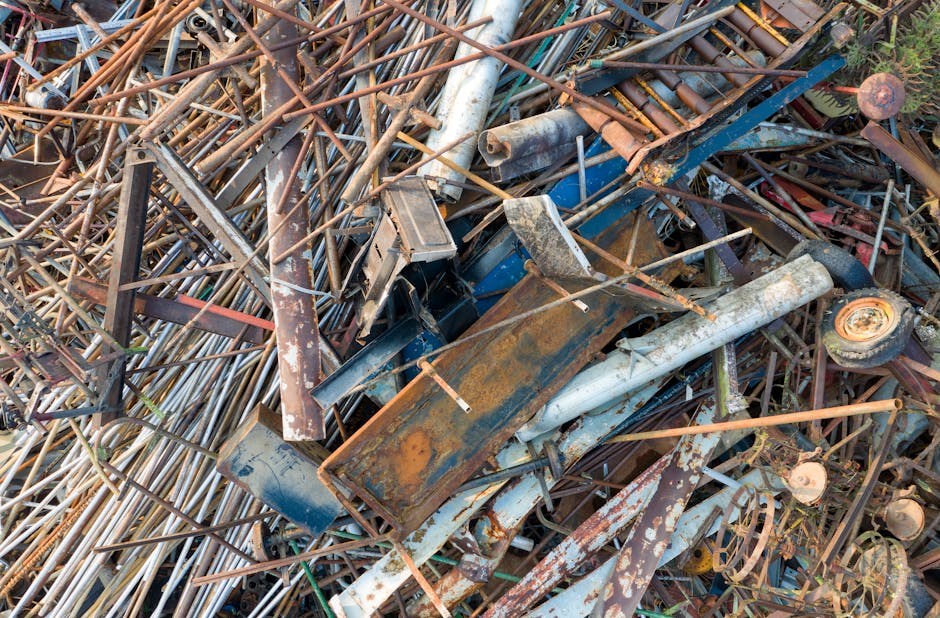

Understanding metal scrap prices is the cornerstone of a profitable and sustainable recycling strategy in Australia. Whether you are a professional demolition contractor, an industrial manufacturer, or a private collector, the volatility of the commodities market means that your revenue can shift significantly from one week to the next. By leveraging the Ultimate Guide to scrap metal prices in Australia, you gain the foundational knowledge required to navigate these complexities. The Australian market is uniquely tied to global benchmarks, meaning that international demand for copper, aluminum, and steel directly dictates what you receive at the weighbridge. To consistently secure the best returns, you must move beyond passive selling and begin treating your scrap as a refined commodity. This guide explores the mechanics of pricing, the critical importance of grading, and the systemic factors that influence the metal scrap prices you see at your local yard.
The Mechanics of Market Valuation: How Prices are Set
The pricing of scrap metal is not arbitrary; it is a sophisticated reflection of global supply and demand dynamics. At the heart of this system is the London Metal Exchange (LME), which acts as the global benchmark for non-ferrous metals like copper, aluminum, lead, and nickel. When you look up metal scrap prices, you are essentially looking at a localized version of these international spot prices, adjusted for local currency fluctuations (AUD/USD), shipping costs, and processing fees. Because Australia is a major exporter of raw materials, our domestic market is highly sensitive to the manufacturing output of countries like China and India. If global demand for infrastructure projects surges, the demand for raw copper and steel increases, driving up the price per kg for recyclers. Conversely, an oversupply in the market or a slowdown in global manufacturing can lead to price compression. Furthermore, local factors play a significant role. The distance from your facility to a major port, the cost of labor at the recycling yard, and the current energy costs for smelting all influence the final price per kg offered to the public. To stay informed, many professionals utilize resources like Scrap Trade to track real-time shifts in the commodities sector. Understanding these macro-economic indicators allows you to time your sales for maximum profitability.
Categorizing Value: The Importance of Metal Grades
The most common mistake amateur recyclers make is failing to sort their materials by grade. Scrap metal is not a monolith; it is a tiered hierarchy where purity dictates the market rate. For example, ‘Bright Shiny Copper’ (Grade 1) commands a significantly higher price per kg than ‘Burnt Wire’ or ‘Copper Plumbing’ (Grade 2) because it requires less refining to reach a state suitable for manufacturing. When you bring unsorted, ‘dirty’ scrap to a yard, the operator must account for the cost of labor required to clean and separate the materials, which is deducted from your payout. To maximize your returns, you must become proficient at identifying different alloys and grades. Aluminum, for instance, is categorized into ‘Extrusion,’ ‘Cast,’ and ‘Sheet’ grades. Mixing these grades lowers the value of the entire batch to the lowest common denominator. For those searching for Best Scrap Metal Prices Near Me, the secret is always in the preparation. Clean your metals of plastic, rubber, and steel attachments before transport. By presenting clean, sorted loads, you not only increase your immediate payout but also build a reputation as a reliable supplier, which can lead to better long-term pricing agreements with recycling facilities. Always consult the Australian recycling industry standards to ensure your sorting methods align with current market expectations.
The Role of Logistics and Local Market Dynamics
While global LME prices set the ceiling, local logistics determine the floor. The cost of transporting heavy scrap metal is substantial. If you are located in a remote region, the freight costs associated with moving your scrap to a processing hub will be reflected in the lower price per kg offered by local yards. This is why it is essential to research Scrap Metal Prices Near Me specifically within your state or regional context. Large-scale industrial producers often have the volume to negotiate direct contracts with smelters, bypassing local yards and capturing a larger portion of the market value. For smaller operators, the key is aggregation. By storing your scrap until you have a sufficient volume to justify transport costs, you can often negotiate better rates. Additionally, the proximity to a major port is a massive advantage in Australia. Export-ready scrap is highly sought after, and yards located near major shipping infrastructure often have more competitive overheads. You should also consider the ‘turnaround time’ of your local yard. A high-volume yard with efficient processing equipment can often pay more because they turn their inventory over faster, reducing their own storage and financing costs. Always keep an eye on Scrap Metal Prices to ensure you are not selling into a market that has recently shifted.
Environmental Benefits and the Circular Economy
Recycling metal is one of the most effective ways to reduce the environmental footprint of modern industry. The energy required to recycle aluminum, for example, is approximately 95% less than the energy required to produce the same amount of aluminum from raw bauxite ore. By participating in the scrap market, you are not just earning a profit; you are actively contributing to a circular economy that preserves natural resources and reduces the carbon intensity of global manufacturing. Steel recycling is equally impactful, as it significantly lowers greenhouse gas emissions compared to traditional blast furnace production. When you sell your scrap, you are feeding a system that keeps these materials in the manufacturing loop indefinitely. This is a critical point for businesses looking to improve their ESG (Environmental, Social, and Governance) scores. By documenting your recycling efforts and ensuring your scrap is handled by reputable, licensed facilities, you can provide verifiable data on your waste diversion rates. The environmental argument is increasingly becoming a financial one as well; as carbon taxes and environmental regulations become more stringent, the value of recycled materials will likely continue to rise relative to virgin materials. Understanding the lifecycle of your scrap metal is a powerful tool for long-term business planning.
Strategies for Maximizing Your Scrap Returns
To consistently secure top-tier market rates, you need a proactive strategy. First, keep a log of your scrap volume and the prices you receive over time. This data will help you identify seasonal trends and negotiate better rates. Second, invest in basic processing equipment. A simple wire stripper or a magnetic separator can turn low-value ‘dirty’ scrap into high-value ‘clean’ scrap in minutes. Third, build a relationship with your local yard manager. They are often willing to provide insights into upcoming market changes if they know you are a serious, consistent supplier. Fourth, always verify the scale accuracy. Reputable yards will have their scales certified by the National Measurement Institute. If you are dealing with high volumes, consider investing in your own certified weighing equipment to ensure you are being paid for every single kilogram. Finally, never stop learning. The scrap metal market is evolving, with new alloys and recycling technologies emerging constantly. By staying current with industry news and monitoring the Scrap Metal Prices, you position yourself to capitalize on market shifts that others might miss. Whether you are dealing with copper, brass, lead, or stainless steel, the principles of purity, volume, and timing remain the golden rules of the trade.
Navigating the Future of the Scrap Industry
The future of the Australian scrap industry is intrinsically linked to the global transition toward green energy. As the world shifts to electric vehicles and renewable energy infrastructure, the demand for copper, lithium, and rare earth metals will skyrocket. This will inevitably create new opportunities for scrap recyclers who can recover these materials from end-of-life products. We are already seeing a shift toward more specialized recycling processes that can recover complex alloys from electronics and solar panels. For the savvy recycler, this means that the metal scrap prices of the future may be driven by the complexity of the material rather than just the weight. Staying ahead of this curve requires an understanding of where these materials are used and how to safely and efficiently recover them. The industry is also becoming more digitized, with online platforms and apps providing more transparency in pricing and logistics. By embracing these digital tools, you can streamline your operations and ensure that you are always operating at the highest possible efficiency. The scrap metal industry is a vital component of the Australian economy, and those who approach it with professionalism, knowledge, and a commitment to quality will continue to find significant value in the years to come.
Frequently Asked Questions
Why do scrap metal prices change so often?
Prices change daily because they are tied to global commodity markets, specifically the London Metal Exchange. Factors like currency exchange rates, international manufacturing demand, and local shipping costs all influence the final price per kg.
How can I get the best price for my scrap metal?
The best way to increase your payout is to sort your metals by purity and remove any non-metal attachments like plastic or rubber. Clean, sorted scrap is far more valuable to recyclers than mixed, contaminated loads.
Does the location of the scrap yard affect the price?
Yes, location is a significant factor. Yards closer to major ports or industrial hubs often have lower logistics costs, which allows them to offer more competitive pricing to their suppliers.
What is the difference between ferrous and non-ferrous scrap?
Ferrous metals contain iron and are magnetic, such as steel and iron, while non-ferrous metals like copper, aluminum, and brass do not contain iron and are generally much more valuable per kilogram.