
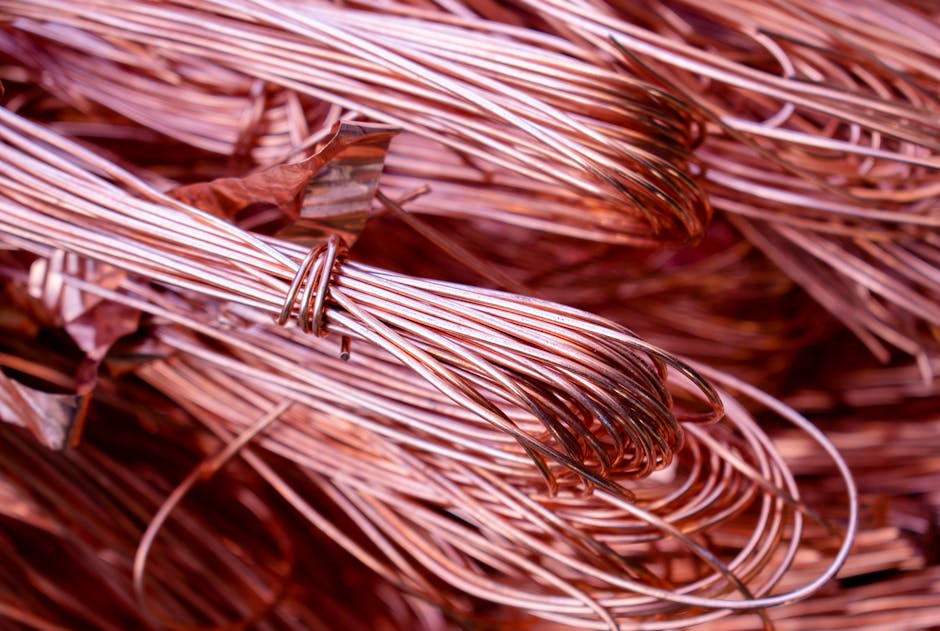

Understanding the current recycle copper price is essential for anyone looking to maximize returns from their scrap metal collection. Whether you are a professional tradesperson clearing a job site or a homeowner with leftover copper pipe, the market value is dictated by global commodity trends, local demand, and the specific grade of the material you are selling. As a critical industrial metal, copper remains one of the most valuable commodities in the recycling sector, and keeping track of metal prices today is the best way to ensure you are paid fairly for your efforts. If you are ready to turn your waste into profit, you can find local buyers by searching for Scrap Copper Near Me Where To Sell Copper Scrap For The Best Price to compare local offers. Because the recycle copper price changes daily, it is vital to understand the nuances of grading your scrap before heading to the yard.
Understanding Copper Grading and Value
The value of your scrap is determined primarily by its purity. Yards categorize scrap into specific grades, each with a distinct price point. Bare bright copper is the gold standard of the industry. It consists of clean, unalloyed, uncoated, and uninsulated copper wire, typically 16 gauge or thicker, free of paint, solder, or oxidation. Because it requires minimal processing to be melted down, it commands the highest price per kg. Below bare bright, we find number 2 copper, which may contain some light oxidation, minor solder, or trace impurities. While it fetches a lower price than bare bright, it remains a highly sought-after commodity. Copper pipe is another common category; however, its value depends on cleanliness. If your pipes are covered in heavy solder or have significant calcification, they may be downgraded to a lower category. For a deeper dive into how different metals compare, you can review the current 1 Kg Brass Price In Australia to understand how copper alloys differ from pure copper scrap. Always strip your wires to reach the bare bright grade whenever possible, as the labor involved in stripping is almost always rewarded by the significantly higher payout at the scales.
How Global Markets Influence Local Scrap Rates
The recycle copper price is not a static number determined by local yards; it is a reflection of the London Metal Exchange (LME). The LME sets the global benchmark for copper, which is then adjusted for currency exchange rates between the USD and AUD, local shipping costs, and the overheads of the recycling facility. When global manufacturing demand in China or the US rises, the LME price climbs, which in turn drives up the price you see at your local yard. Conversely, economic downturns or surges in global copper supply can lead to price volatility. Furthermore, the Australian dollar plays a pivotal role; a weaker AUD relative to the USD often increases the price paid in Australia, as the commodity is traded internationally in USD. To stay updated on these shifts, it is helpful to follow professional platforms like Scrap Trade Australia, which provides the insights needed to navigate the volatile metal markets. Professional traders often wait for periods of high market liquidity to offload large volumes of Scrap Copper, ensuring they capture the peak of the price cycle.
The Recycling Process: From Yard to Refinery
Once you drop off your scrap, it undergoes a rigorous processing cycle. First, the material is sorted by grade. Automated systems or hand-sorting techniques remove contaminants like plastic insulation, steel, or aluminum. For insulated copper wire, specialized granulators strip the plastic coating, separating the copper granules from the PVC or rubber insulation. These pure copper granules are then baled and sent to smelters, where they are melted down into cathodes or ingots. This recycled material is then sold back to manufacturers to create new electrical wiring, plumbing components, and automotive parts. The efficiency of this process is what makes copper one of the most sustainable materials on earth. Because copper can be recycled infinitely without losing its chemical properties, the energy required to produce ‘new’ copper from recycled scrap is roughly 85% less than mining and refining virgin ore. By choosing to recycle, you are not just making money; you are participating in a circular economy that reduces the need for destructive open-cut mining.
Logistics: Drop-off vs. Professional Pickup
Deciding between dropping off your scrap or requesting a pickup depends on the volume and nature of your material. For smaller quantities, such as a few kilograms of copper wire or pipe, a direct drop-off at a local yard is the most efficient method. It allows for immediate weighing and payment. However, for large-scale demolition projects or industrial cleanouts, professional pickup services are a game-changer. Many scrap yards provide skip bins or flatbed truck services for commercial clients. When arranging a pickup, ensure you have a clear inventory of your scrap. Some yards may charge a transport fee, so it is important to weigh the cost of the pickup against the total value of the scrap. If you are unsure where to start, you can find a comprehensive Copper Recycle Price: Current Market Value & Recycling Guide to help you calculate whether the logistics of a pickup are financially viable for your specific project. Always aim to separate your metals before the truck arrives; mixing copper with steel or brass will result in a ‘mixed load’ price, which is significantly lower than the value of sorted copper.
Environmental Impact and Future Trends
The environmental case for copper recycling is overwhelming. Copper mining is an energy-intensive process that leaves massive ecological footprints, including soil erosion and water pollution. By recycling, we significantly reduce the carbon emissions associated with the extraction and refining process. As the world transitions toward renewable energy and electric vehicles—both of which are incredibly copper-intensive—the demand for recycled copper is expected to surge. This ‘green’ demand is likely to keep the floor price for copper high over the coming decade. As an investor or a tradesperson, viewing scrap as a resource rather than waste is a forward-thinking strategy. Technology is also evolving; new sensor-based sorting machines are allowing recyclers to recover copper from complex electronics that were previously considered ‘too difficult’ to process. This means that in the future, even the most complex scrap items will likely have a higher reclaim value. Staying informed on these trends ensures that you are not just selling today’s scrap, but positioning yourself to benefit from the long-term appreciation of industrial metals.
Best Practices for Maximizing Your Returns
To consistently get the best price, you must treat your scrap collection like a business. First, keep your copper clean. Contamination is the number one reason for price downgrades. Remove all steel screws, plastic connectors, and excessive solder. Second, store your scrap in a dry, covered area. Copper that has been exposed to the elements for years will develop a heavy patina, which some yards may classify as lower grade. Third, build a relationship with a local yard. If you are a consistent supplier of high-quality, sorted scrap, you are more likely to negotiate better rates than a one-time visitor. Finally, keep a log of the current market trends. When you see a spike in metal prices today, that is the time to clear out your storage. Do not wait for the market to dip again. By combining these habits with a solid understanding of how the recycle copper price is calculated, you can turn a side hustle into a reliable income stream. Remember that the market rewards preparation; the more effort you put into cleaning and sorting your copper, the higher your reward at the scales.
In conclusion, the scrap copper industry is a vital component of the modern economy. By understanding the factors that influence the recycle copper price, mastering the art of grading, and utilizing the right logistics, you can maximize your profits while contributing to a healthier planet. Whether you are a professional contractor or an individual recycler, the value is there for those who know how to find it. Use the resources available to you, stay updated on global trends, and always prioritize quality in your collection. The future of the industry is bright, and with the right approach, your scrap collection can be a significant financial asset for years to come.
Frequently Asked Questions
What is the difference between bare bright and number 2 copper?
Bare bright is clean, uninsulated, and unoxidized copper wire, which fetches the highest market price. Number 2 copper includes wire or pipe that has light oxidation, paint, or minor solder, making it slightly less valuable.
How often do scrap copper prices change?
Scrap copper prices are tied to the London Metal Exchange and fluctuate daily based on global supply, demand, and currency exchange rates. You should check current prices on the day you intend to sell.
Should I strip insulation off my copper wire?
Yes, stripping the insulation off copper wire significantly increases its value, as it upgrades the material to bare bright copper. However, ensure the labor cost of stripping does not exceed the extra profit gained.
Does the condition of my copper affect the price?
Absolutely. Clean copper without contaminants like plastic, steel, or heavy solder will always command a higher price. Dirty or mixed materials are typically downgraded to lower-value categories.