
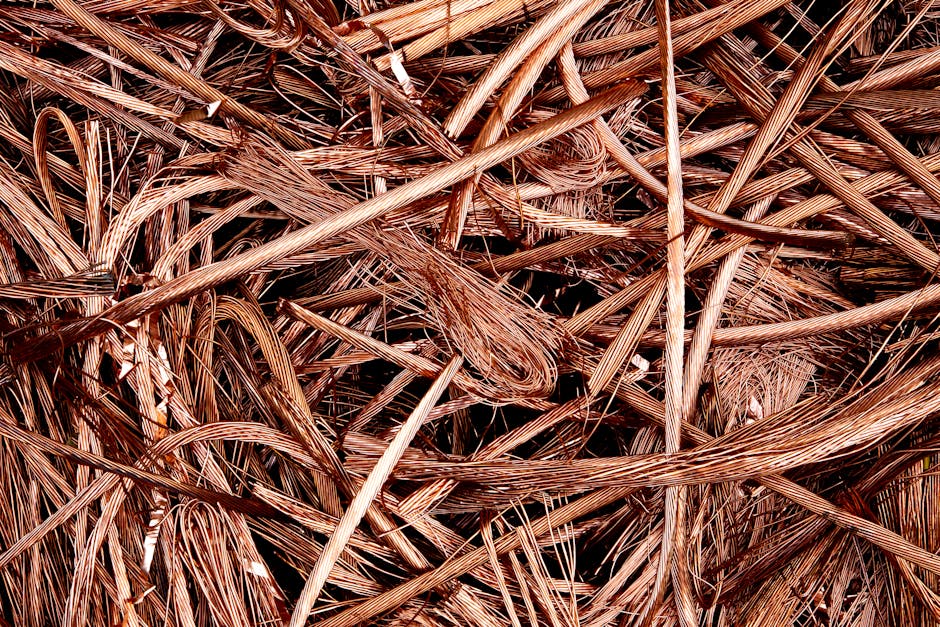

Understanding the nuances of scrap copper is essential for anyone looking to maximize returns in the Australian recycling industry. Whether you are a trade professional clearing a job site or a homeowner disposing of old plumbing, knowing how to identify and sort your metal is the first step toward achieving the best possible financial outcome. The market for scrap copper is driven by global demand, industrial manufacturing needs, and the transition toward a circular economy. As a highly conductive and infinitely recyclable metal, copper remains one of the most valuable materials in the scrap yard, provided it is handled, cleaned, and sorted correctly.
The Hierarchy of Scrap Copper Grades
The value of your material is entirely dependent on its grade. In the Australian scrap metal market, yards utilize specific grading standards to determine the purity of the copper. The highest grade, often referred to as ‘Bare Bright,’ consists of clean, uncoated, unalloyed copper wire that is free of insulation, paint, or oxidation. This material commands the highest scrap copper price because it requires minimal processing for refineries. If you are looking to sell scrap, ensuring your wire is stripped of all plastic insulation is the most effective way to increase your profit margin.
Moving down the hierarchy, we encounter ‘Number 2 copper.’ This grade typically includes copper that has some minor impurities, such as light oxidation, solder, or paint. It is often comprised of copper pipe that has been used in plumbing applications. While it does not fetch the premium rates of bare bright, it remains a highly sought-after commodity. Understanding the difference between these grades is critical when checking Scrap Copper Prices Near Me, as a simple mix-up in your sorting bins can lead to significant losses in revenue. Professionals often use a magnet to test for impurities; since copper is non-ferrous, any attraction to a magnet indicates the presence of steel or iron, which will immediately downgrade your material to a lower price bracket.
The Industrial Recycling Process
The journey from a discarded pipe to a new industrial component is a sophisticated process designed to maintain material integrity. Once you bring your Scrap Copper to a facility, it undergoes a rigorous inspection. The material is weighed, graded, and then processed through a shredder or granulator. For insulated wire, specialized machines strip the plastic coating, separating the copper from the PVC or rubber insulation. This granulated copper is then melted in furnaces at temperatures exceeding 1,085 degrees Celsius.
During the melting phase, fluxing agents are added to remove any remaining impurities, such as zinc or tin. The molten copper is then cast into ingots or billets, which are sold to manufacturers to create new electrical wiring, plumbing components, or automotive parts. This closed-loop system is a cornerstone of modern manufacturing. By utilizing professional metal recycling services, you are participating in a global effort to reduce the reliance on virgin ore extraction, which is an energy-intensive and environmentally destructive process. Detailed insights into this workflow can be found in our comprehensive guide: Copper Scrap: Grades, Recycling Process, and Environmental.
Environmental Benefits and Global Impact
The environmental case for recycling copper is overwhelming. Mining virgin copper requires massive amounts of energy, water, and land, often leading to deforestation and the contamination of local water supplies. In contrast, recycling existing copper consumes approximately 85% less energy than producing it from raw ore. This massive energy saving translates to a significant reduction in greenhouse gas emissions, making copper recycling a vital tool in the fight against climate change.
Furthermore, copper is a ‘permanent’ material. Unlike plastics, which degrade in quality each time they are recycled, copper can be melted and reformed indefinitely without losing its physical or chemical properties. This means that a piece of copper wire manufactured today could be part of a new circuit board fifty years from now. By choosing to recycle rather than discard your metal, you are preserving finite resources and reducing the volume of waste sent to Australian landfills. This circular approach is not just an ethical choice; it is an economic necessity for a sustainable future.
Maximizing Your Returns: Practical Tips for Traders
To consistently earn the best rates, you must treat your scrap collection like a professional operation. First, invest in proper storage. Keeping your copper dry and under cover prevents oxidation, which can negatively impact the grade of your material. Second, learn to strip your own wire. While time-consuming, the price difference between insulated wire and bare bright is substantial. Use a mechanical wire stripper to save time and increase your efficiency.
Third, keep your grades separate. Never mix clean copper pipe with dirty, soldered, or painted copper. Mixing grades forces the recycler to pay you at the lowest common denominator rate. By maintaining clean, sorted loads, you build a reputation with your local yard as a reliable supplier, which can sometimes lead to better pricing tiers for consistent, high-quality deliveries. Always stay informed on the daily scrap copper price per kg, as market volatility can change values overnight. Keeping an eye on the London Metal Exchange (LME) and local market trends will help you decide when to hold your stock and when to sell for maximum profit.
The Future of Copper in the Green Economy
Copper is the backbone of the green energy transition. As the world shifts toward electric vehicles (EVs), wind turbines, and solar energy systems, the demand for high-quality copper is skyrocketing. An average electric vehicle contains significantly more copper than a traditional internal combustion engine vehicle, primarily for the battery, motor, and charging infrastructure. This surge in demand is expected to keep the value of scrap copper high for the foreseeable future.
For those involved in the trade, this represents a unique opportunity. As infrastructure projects across Australia expand, the amount of copper-rich construction and demolition waste will increase. Being positioned to collect, process, and supply this material to refineries makes you a vital link in the supply chain. The industry is also seeing technological advancements in sorting, such as X-ray fluorescence (XRF) scanners, which allow recyclers to identify metal alloys with near-perfect accuracy. These technologies ensure that the quality of recycled copper remains high, further cementing its role as the preferred material for high-tech applications.
Navigating Market Volatility
The price of copper is notoriously sensitive to global economic indicators. Factors such as interest rates, the strength of the Australian dollar, and manufacturing output in China all play a role in determining what you receive at the scale. When the global economy is booming, demand for copper increases, driving prices up. Conversely, during economic downturns, demand may soften. As a trader, the best strategy to mitigate this risk is to avoid panic-selling during minor dips.
Instead, focus on building volume. A larger, well-sorted load often gives you more negotiating power than multiple small, poorly sorted loads. Additionally, understand the overhead costs of your local recycler. They have to account for transport, processing, and environmental compliance, which are all factored into the price they offer you. By understanding their business model, you can better navigate negotiations and ensure a mutually beneficial relationship. Remember that consistency is key; the most successful scrap traders are those who treat it as a long-term business rather than a one-off event.
Case Study: Optimizing Construction Site Scrap
Consider a large-scale commercial demolition project in Sydney. Often, contractors discard electrical wiring and plumbing fixtures into general skip bins, losing thousands of dollars in potential revenue. By implementing a ‘source segregation’ policy, where electricians and plumbers are required to place copper in dedicated, labeled bins, the project manager can recover a significant portion of the material costs. In one observed case, a site recovered over 500kg of high-grade copper wire that would have otherwise been lost to landfill.
The process involved using a simple wire-stripping machine on-site during downtime. The result was a 40% increase in the total value of the scrap sold compared to selling it as ‘mixed’ or ‘insulated’ material. This case highlights the importance of workflow integration. When you make recycling an inherent part of your job site operations, it ceases to be a chore and becomes a revenue stream. This is the hallmark of a professional trade business that understands the true value of the materials they handle.
Conclusion: The Path Forward
Recycling scrap copper is a multifaceted endeavor that combines financial acumen with environmental responsibility. By mastering the grades, understanding the recycling process, and staying informed about market conditions, you can turn discarded metal into a significant asset. Whether you are a small-scale collector or a large commercial enterprise, the principles remain the same: sort your material, keep it clean, and stay informed. As we move toward a more electrified, resource-conscious future, the value of copper will only continue to rise. Start optimizing your scrap operations today to capitalize on this essential global commodity.
Frequently Asked Questions
What is the difference between bare bright and number 2 copper?
Bare bright copper consists of clean, unalloyed, and uncoated wire that is free of any insulation or oxidation. Number 2 copper includes material that has minor impurities, such as solder, light paint, or oxidation, which lowers its purity and market value.
Why is it important to strip wire before selling it?
Stripping insulation from copper wire removes the non-metallic weight, allowing you to sell the material as high-grade bare bright. This significantly increases the price per kilogram compared to selling the wire with the plastic or rubber insulation still attached.
How does recycling copper help the environment?
Recycling copper requires up to 85% less energy than mining and refining virgin ore, which significantly reduces greenhouse gas emissions. It also preserves natural resources and prevents the environmental degradation associated with large-scale mining operations.
Does the price of scrap copper change daily?
Yes, scrap copper prices fluctuate daily based on global market demand, the London Metal Exchange (LME) rates, and local economic factors. It is recommended to check current market rates with your local scrap yard before selling your material.