
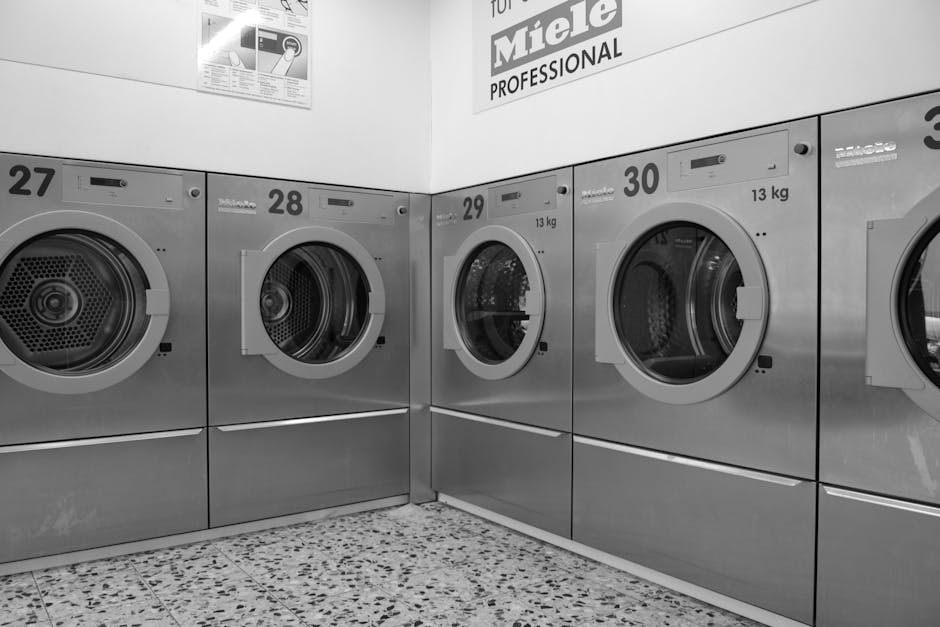

When approaching the task of selling my washing machine, homeowners often overlook the significant residual value hidden within the appliance’s internal components. Whether you are upgrading to a high-efficiency model or disposing of a broken unit, understanding the secondary market is essential for financial recovery. In the Australian context, the value of an old washing machine is determined by its age, brand, motor type, and the prevailing commodity prices for copper, steel, and aluminium. By following this comprehensive guide, you will navigate the complexities of appliance liquidation, ensuring that you receive the best price possible while adhering to environmental standards.
Evaluating Value: Resale vs. Scrap
Before you commit to a disposal method, you must conduct a rigorous assessment of the machine’s condition. If the unit is functional, the secondary market is your most lucrative path. Platforms like Facebook Marketplace, Gumtree, and local community boards are the primary channels for selling working appliances. To achieve the best price, you must provide high-quality photographs, a detailed history of the machine, and evidence of recent servicing. Conversely, if the machine is non-functional, you are entering the world of scrap metal trading.
When the machine is beyond repair, it is classified as e-waste or scrap metal. At this stage, your focus shifts from consumer value to intrinsic material value. Modern washing machines contain significant amounts of copper wiring, electric motors, and high-grade steel. If you are considering the scrap route, you must research the current market rates at a reputable scrap metal dealer. Understanding the weight of these components is vital, as scrap yards pay per kilogram. For those dealing with more complex industrial units, our Telecom Scrap Metal Selling Guide provides additional context on how specific high-value components are evaluated in the Australian market.
Where to Sell: Identifying Your Best Options
Finding the right buyer is the difference between a profitable transaction and a wasted effort. When selling my washing machine, you have three primary categories of buyers: private consumers, appliance refurbishers, and scrap metal recyclers. Private consumers are ideal for working machines, as they are often willing to pay a premium for a reliable, second-hand unit. Refurbishers are a middle ground; they buy broken units to repair and resell, though they will offer less than a private buyer to account for their labor and parts costs.
For non-functional machines, identifying a professional scrap dealer is paramount. You must ensure the facility is licensed and follows Australian environmental regulations regarding refrigerant gases and hazardous waste. Before engaging with any buyer, consult our guide on How To Verify Scrap Buyers Before Selling to protect your interests. It is also wise to cross-reference with How To Verify Scrap Buyers Before Selling 2 to ensure you are dealing with a transparent operator. For a detailed breakdown of the logistics involved in this process, refer to Where to Sell Washing Machine: The Ultimate Recycling Guide, which outlines the specific steps for local disposal.
Maximizing Your Return: The Scrap Metal Advantage
To secure the best price when selling for scrap, preparation is key. Do not simply drop off the entire machine at a yard if you have the tools to dismantle it. By separating the copper wiring, the electric motor, and the stainless steel drum, you can sell these items as distinct commodities. Copper, in particular, commands the highest price per kilogram in the Australian scrap market. Ensure your materials are clean—remove plastic casings, rubber seals, and excess debris. A clean load of scrap is always valued higher than a mixed, dirty load.
Furthermore, timing your sale can impact your bottom line. Commodity prices fluctuate based on global demand, particularly from manufacturing hubs in Asia. Monitoring the Australian scrap market trends ensures you sell when the price per tonne for ferrous and non-ferrous metals is at a peak. Always ask your local dealer for their current price list, and do not be afraid to negotiate if you have a significant volume of metal. When you visit a scrap metal recycler, come prepared with your identification, as many Australian states require proof of identity for scrap transactions to prevent the trade of stolen goods.
Logistics and Documentation: A Professional Approach
Executing the sale requires more than just finding a buyer; it requires managing the logistics of transport and documentation. If you are selling a heavy appliance, factor in the cost of transport. If you do not have a trailer, the cost of hiring one might negate the profit from the scrap value. In such cases, look for scrap dealers who offer free pickup services for large appliances, as they often recoup their costs through the metal value of the unit. This is a common practice in major Australian cities and can save you significant time and effort.
Documentation is equally important. When selling to a registered business, ensure you receive a receipt that details the weight and type of metal sold. This is not only for your financial records but also to prove that the item was disposed of legally. In some jurisdictions, you may need to provide a waste transfer note if you are disposing of multiple appliances from a commercial property. Keeping these records ensures that you remain compliant with local council regulations regarding e-waste disposal, which is becoming increasingly strict across Australia to prevent hazardous materials from entering landfills.
Environmental Responsibility and E-Waste Regulations
Every Australian has a responsibility to dispose of e-waste correctly. Washing machines contain components that can be harmful if left to leach into the soil, including heavy metals and synthetic materials. By choosing to sell your washing machine to a legitimate recycler, you are contributing to the circular economy. These facilities use advanced shredding and separation technologies to recover materials that would otherwise be lost. This process reduces the need for virgin mining, which is a significant win for the environment.
When you are selling my washing machine, verify that the buyer adheres to the National Television and Computer Recycling Scheme (NTCRS) standards, even if the machine is not strictly a computer. Many reputable scrap yards have adopted these high standards for all e-waste. This commitment to sustainability is a hallmark of a professional operator. By aligning yourself with these businesses, you ensure that your transaction is ethical, legal, and environmentally sound. Remember that the goal is not just financial gain, but responsible asset management that benefits the entire community.
Case Examples: Success Stories in Appliance Trading
Consider the case of a homeowner in Melbourne who had a broken front-loader. Instead of paying a council collection fee, they dismantled the machine, isolating the copper wiring and the heavy-duty motor. By selling these components to a local dealer, they earned $45 in scrap value, whereas a standard appliance removal service would have cost them $80. This represents a $125 swing in financial outcome simply by understanding the material composition of the appliance.
Another example involves a family in Brisbane who had a functional top-loader. By cleaning the unit, taking high-resolution photos, and listing it on a local community page with a detailed description of its maintenance history, they sold it for $200 within 24 hours. This highlights the importance of assessing functionality before assuming a machine is only fit for scrap. The key takeaway from both examples is that market knowledge and preparation are the primary drivers of success. Whether you are dealing with a high-end appliance or a basic model, the principles of value assessment remain the same: identify your audience, prepare the product, and choose the most efficient channel for disposal.
Final Strategies for Long-Term Asset Management
As you conclude your process, reflect on the lessons learned. The ability to extract value from end-of-life appliances is a skill that serves you well, especially if you frequently upgrade household goods. Keep a log of your appliance purchases, including manuals and warranty documents. This information is invaluable when it comes time to sell, as it provides the next owner or the scrap dealer with confidence in the product’s origin and quality. Always keep communication channels open with your preferred local scrap dealers, as they are often the best source of information regarding local market trends and upcoming regulatory changes.
By treating the sale of your washing machine as a professional transaction, you elevate your experience from a simple chore to a strategic financial decision. Utilize the tools and resources provided in this guide to ensure that you are always getting the best possible outcome. Whether you are looking for the highest scrap price or the quickest sale to a private buyer, the path to success is paved with research, preparation, and an understanding of the Australian market dynamics. Stay informed, stay organized, and continue to leverage the value of your assets effectively.
Frequently Asked Questions
Is it better to sell a washing machine as a whole or as scrap?
If the machine is functional, selling it as a whole unit on a marketplace will almost always yield a higher return. If the machine is broken or beyond repair, dismantling it for scrap metal is the most effective way to recover value.
What parts of a washing machine are the most valuable for scrap?
The electric motor, copper wiring, and the stainless steel drum are the most valuable components. Separating these items before taking them to a scrap yard will significantly increase your payout.
Do I need identification to sell a washing machine to a scrap yard?
Yes, in most Australian states, you are required to provide valid government-issued photo identification when selling scrap metal. This is a legal requirement to prevent the trade of stolen goods.
How do I find a reputable scrap metal buyer in my area?
Look for yards that are registered, have transparent pricing policies, and follow environmental disposal standards. You can verify their reputation by checking online reviews and ensuring they comply with local e-waste regulations.