
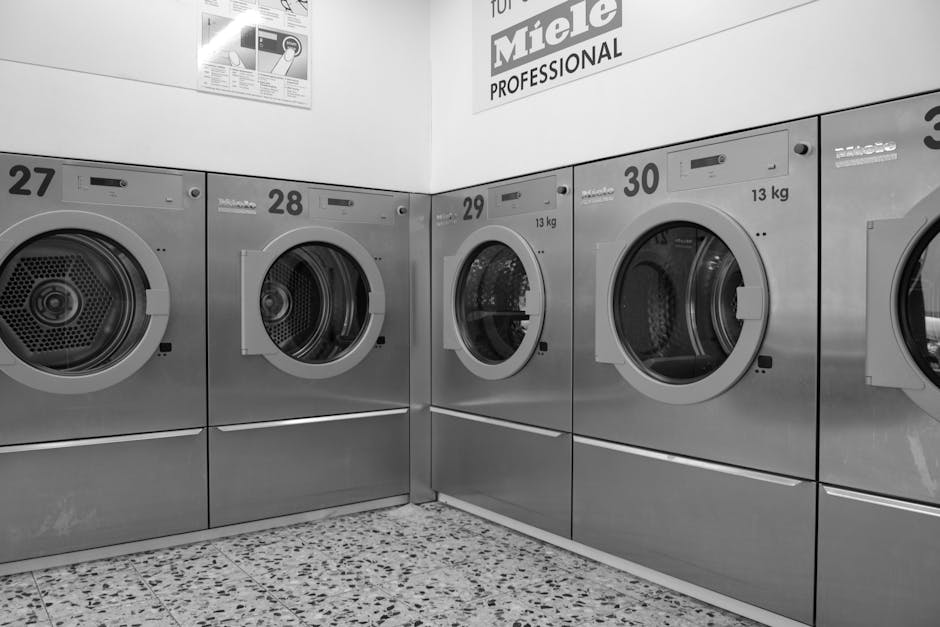

Navigating the market to find a reputable washing machine buyer is a critical step for both residential property owners and industrial facility managers looking to clear out defunct equipment. In the Australian scrap metal industry, appliances represent a significant volume of recyclable material, yet many sellers fail to extract the full value due to a lack of understanding regarding commodity pricing and metal separation. Whether you are dealing with a single household unit or a commercial laundry fleet, understanding the role of a professional washing machine buyer is essential for regulatory compliance and financial efficiency.
Understanding the Value of Your Scrap Appliance
When you approach a scrap buyer, you are not just selling a broken appliance; you are selling a collection of high-value raw materials. A standard washing machine is a complex assembly of materials, including high-grade steel, copper wiring, aluminum motors, and sometimes lead or stainless steel components. A trusted dealer will assess the weight and the current market rate for these specific alloys. The Australian market is highly sensitive to global commodity fluctuations, meaning that the price you receive for your scrap can vary significantly from week to week.
To truly understand the value, you must look at the machine as a sum of its parts. The outer casing is predominantly light gauge steel, which is processed through shredders to be recycled into new steel products. However, the motor contains heavy copper windings, which are far more valuable than the steel shell. A professional washing machine buyer will often offer a higher rate if the motor has been removed or if the unit is stripped of heavy plastic components that would otherwise be considered ‘trash’ or ‘non-metallic residue’ at the weighbridge. For those managing larger volumes, it is worth exploring resources like the Sell Steel Machinery Scrap Equipment Machine Parts guide to understand how to categorize your assets correctly.
The Process of Selling to a Trusted Dealer
The process of engaging with a washing machine buyer is straightforward but requires preparation to ensure you get the best price. First, identify a facility that is licensed to handle e-waste and scrap metal. In Australia, environmental regulations are strict, and you want to ensure your scrap is being processed through a facility that adheres to EPA standards. When you arrive at a trusted dealer, your machine will be weighed on a certified public weighbridge. The weight is then multiplied by the current ‘buy’ price per tonne for that specific grade of scrap.
It is important to note that many scrap yards distinguish between ‘white goods’ and ‘mixed scrap.’ White goods often attract a different pricing tier because they require specific handling to remove refrigerants or hazardous chemicals. If you are looking for specific guidance on how to maximize your specific load, refer to Where to Sell Washing Machine: The Ultimate Recycling Guide. By following these professional protocols, you ensure that you are not just getting rid of clutter, but actively participating in the circular economy. For those dealing with industrial-scale waste, you might also be interested in the Steel Turnings Chips Buyers Machine Shop Waste insights to optimize your entire facility’s scrap output.
Market Trends and Pricing Factors
The Australian scrap market is currently experiencing a shift toward more sustainable recycling practices. As the demand for high-quality recycled steel increases, the role of the washing machine buyer has become more sophisticated. Pricing is dictated by the LME (London Metal Exchange) and local logistics costs. If you are selling in bulk, the cost of transport is the biggest variable. A buyer who offers a pick-up service will naturally offer a lower price per tonne than a yard where you drop off the material yourself. This is a common trade-off in the industry; calculate your fuel and time costs before deciding whether to haul the scrap yourself or pay for a collection service.
Furthermore, the global context of scrap metal trading cannot be ignored. For those interested in the broader scope of the industry, the Shipbreaking Scrap Sales Global Buyer Guide provides a deep dive into how large-scale metal recycling influences local pricing. When you sell your washing machine to a reputable dealer, you are contributing to a supply chain that feeds local foundries and international export markets. Always ask your buyer about their downstream processing; a transparent dealer will be happy to explain how the steel is shredded, sorted, and eventually melted down for reuse.
Maximizing Your Returns: Practical Tips
To get the most out of your transaction, preparation is key. A washing machine buyer will pay less for a unit that is contaminated with significant amounts of non-metallic waste, such as concrete blocks used for balancing or excessive amounts of plastic piping. If you have the tools, stripping the machine down to its core metallic components can significantly increase your profit margin. Remove the electric motor, the copper-heavy wiring harness, and any stainless steel drums. These items are ‘high-grade’ scrap and command a much higher price than the ‘light iron’ or ‘shred’ category that a whole washing machine falls into.
Additionally, always check the current market rates at Scraptrade.com.au to ensure you are receiving a fair offer. Knowledge is your best negotiating tool. If you have a large quantity of machines, do not be afraid to negotiate a ‘bulk rate’ with the buyer. Many yards are willing to offer a premium for consistent, high-volume supply, especially if the material is pre-sorted. Always ensure your scrap is free of hazardous materials, such as oil or chemicals, as these can lead to rejection at the weighbridge or significant environmental fines.
Regulatory Compliance and Environmental Responsibility
In Australia, the disposal of old appliances is governed by state-specific environmental protection authorities. As a seller, you have a responsibility to ensure that your scrap is being handled by a legitimate washing machine buyer who is authorized to manage waste. Improper disposal, such as dumping in landfills, is not only illegal but also a missed opportunity to recover valuable resources. By choosing a certified recycler, you ensure that the hazardous components—such as capacitors or specialized electronics—are removed and disposed of safely, while the metals are recovered for future manufacturing.
This is where the distinction between a ‘scrapper’ and a ‘trusted dealer’ becomes vital. A professional dealer will provide you with a weighbridge ticket and, in some cases, a certificate of recycling. This documentation is crucial if you are a business owner needing to prove that your old equipment was disposed of in an environmentally responsible manner. Always prioritize buyers who maintain a clean, organized, and safe facility. A well-managed yard is usually a sign of a well-managed business that will provide accurate weights and fair, transparent pricing for your scrap metal.
The Future of Appliance Recycling in Australia
The landscape for appliance recycling is evolving rapidly. We are seeing a move toward ‘product stewardship,’ where manufacturers are becoming more involved in the end-of-life cycle of their products. This shift will eventually change how we interact with a washing machine buyer. We expect to see more specialized collection programs and potential ‘buy-back’ schemes that incentivize consumers to return old appliances to authorized dealers. For now, the scrap yard remains the primary and most efficient outlet for these materials.
As technology in the recycling sector improves, the ability to separate complex alloys from washing machines will become more precise. This means that, in the future, we may see even higher values for the components found within these appliances. By staying informed and working with established industry players, you position yourself to benefit from these advancements. Whether you are a homeowner clearing out a garage or a facility manager dealing with industrial waste, the principles remain the same: sort your materials, know the market, and choose a partner who values transparency and professional integrity. For all your recycling needs, you can find a comprehensive network of professionals at Scrap.Trade, your go-to resource for navigating the Australian metal market.
Summary of Best Practices
To conclude this guide, remember that the relationship with your washing machine buyer is a professional partnership. You provide the raw material; they provide the processing power and market access. By keeping your scrap clean, separating high-value metals from light iron, and staying updated on current market trends, you ensure that you are not just clearing space, but optimizing your financial return. Always maintain communication with your buyer, ask about their specific requirements for incoming scrap, and never settle for vague pricing. The Australian scrap market is robust and transparent for those who take the time to understand its mechanics. Use the resources provided, keep your documentation in order, and continue to support the sustainable recycling industry by ensuring your scrap reaches the right hands.
Frequently Asked Questions
How do I find a reliable washing machine buyer in my local area?
You can search for local scrap metal yards that specifically mention white goods or appliance recycling on their websites. It is recommended to check their Google reviews and ensure they are registered as a legitimate business under Australian environmental standards.
Does the condition of the washing machine affect the price I receive?
Yes, the condition matters significantly. While the base price is determined by the weight of the metal, a machine that has been stripped of non-metallic trash like plastic and concrete will command a higher price per tonne than a machine that is completely intact.
Are there any hazardous materials in a washing machine I should be aware of?
Most modern washing machines are relatively safe, but some older models may contain capacitors or specialized electronics that require careful handling. Always inform the buyer if you suspect the machine contains any unusual chemicals or non-standard components.
Is it worth my time to strip the washing machine for parts before selling it?
If you have the tools and the time, stripping the copper motor and wiring harness can significantly increase your payout. However, for most individuals, the time investment versus the extra cash must be weighed carefully against the current market rate for ‘mixed light iron’ scrap.