
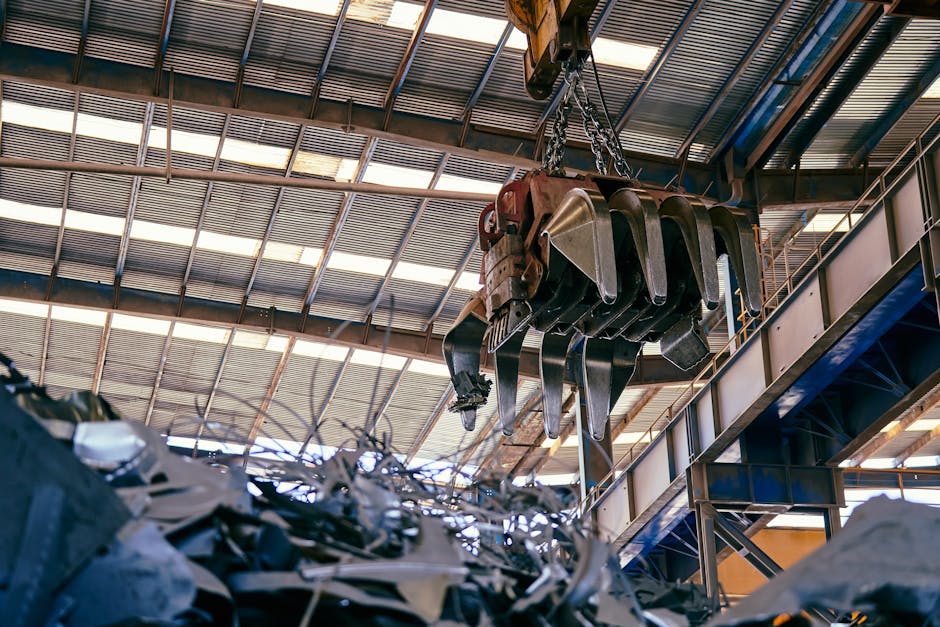

Navigating the scrap steel Sydney market requires a deep understanding of metal grades, market fluctuations, and the logistical realities of operating within New South Wales. Whether you are a demolition contractor, a manufacturing plant manager, or a private collector, maximizing the value of your ferrous metal output depends on your ability to categorize material correctly and partner with a Professional Scrap Steel Yard Sydney: The Ultimate Recycling facility. The Greater Sydney region serves as a primary hub for industrial recycling, where the demand for high-quality feedstock is driven by both domestic construction projects and international export markets.
Understanding Ferrous Metal Grades and Market Value
In the world of metal recycling, not all steel is created equal. Understanding the difference between mild steel, structural steel, and high-carbon alloys is the first step to ensuring you receive a fair steel price per tonne. When you bring materials to a yard, the grading process determines the final payout. For those looking to refine their knowledge, our guide on Steel Scrap Grading 1 Prepared 2 Prepared Shredded provides the technical specifications required to maximize your returns. Mild steel, often found in construction beams and piping, is the most common form of scrap. However, industrial sites often generate more complex waste streams. If you are dealing with high-value alloys, you should also research the current Stainless Steel Scrap Price to ensure you aren’t selling premium material at base steel rates. The market for scrap steel Sydney is influenced by global demand, particularly in Asia, which dictates the daily price fluctuations seen across New South Wales.
The Lifecycle of Steel Recycling in Greater Sydney
The recycling process is a sophisticated industrial operation that transforms discarded metal into infinite resources. Once scrap steel is collected from sites across Sydney, it is transported to a processing facility. Here, the material undergoes a rigorous sorting process. Ferrous metals are separated using powerful electromagnetic separators. The steel is then sheared or shredded into smaller, manageable pieces to increase its density, which is essential for efficient furnace charging. This prepared scrap is then sold to steel mills where it is melted in electric arc furnaces. By using recycled steel instead of virgin iron ore, manufacturers reduce energy consumption by up to 75% and significantly lower greenhouse gas emissions. For large-scale industrial operations, identifying a reliable Heavy Steel Scrap Buyer Sydney Melbourne Brisbane Perth is critical to maintaining a streamlined waste management chain that adheres to strict environmental standards.
Environmental Benefits and Sustainability in NSW
Recycling scrap steel is one of the most effective ways to combat climate change in the industrial sector. Every tonne of recycled steel saves approximately 1.5 tonnes of iron ore, 0.5 tonnes of coal, and 40% of the water used in traditional steel production. In New South Wales, the push toward a circular economy has made scrap metal recycling a cornerstone of sustainable development. By diverting steel from landfills, businesses not only reduce their environmental footprint but also contribute to the conservation of natural resources. This practice aligns with the broader goals of the NSW government to reduce waste and promote resource recovery. Companies that prioritize sustainable disposal are increasingly viewed as industry leaders, gaining a competitive edge in a market that is becoming more sensitive to ESG (Environmental, Social, and Governance) reporting requirements.
Logistics and Yard Operations: How to Partner for Success
Managing the logistics of scrap steel Sydney involves more than just loading a truck. Efficient recycling requires proper site management, including the segregation of different metal types at the source. Mixing stainless steel with mild steel can downgrade the entire load, significantly impacting your profit margins. We recommend working with industry experts at Scrap Trade to understand the best practices for onsite storage and transport. Furthermore, utilizing professional scrap metal recycling services in Australia ensures that you are compliant with local regulations regarding hazardous materials and environmental safety. A well-organized scrap yard will provide certified weighbridge tickets, ensuring transparency in the transaction. When selecting a partner, look for yards that offer bin services, reliable pickup schedules, and clear communication regarding how current market trends are affecting the steel price per tonne.
Market Trends and Future Outlook for Australian Scrap
The scrap steel market is inherently volatile, mirroring the broader global economic landscape. In Sydney, the construction boom has kept the supply of structural steel high, but the demand for recycled content in new building projects is also increasing. As the world moves toward decarbonization, the demand for ‘green steel’—steel produced using renewable energy and recycled feedstock—is projected to skyrocket. This shift provides a unique opportunity for scrap generators to position themselves as key suppliers in the green supply chain. Staying informed about these trends is essential for any business operating in the scrap industry. By tracking international trade policies and domestic infrastructure spending, you can better predict when to hold or sell your scrap inventory. The future of the industry lies in advanced sorting technologies, such as X-ray fluorescence (XRF) analysis, which allows for even more precise grading of alloys, further increasing the value of recycled products.
Best Practices for Industrial Scrap Management
For large-scale generators, the key to profitability is volume and purity. Implementing a ‘sort at source’ policy at your facility will prevent contamination and ensure that your scrap commands the highest possible market price. Invest in durable, clearly labeled collection bins for different grades of steel. Train your staff on the basics of metal identification—knowing the difference between magnetic ferrous metals and non-magnetic stainless alloys can save thousands of dollars per year. Additionally, consider the timing of your sales. While steel price per tonne changes daily, there are often seasonal trends related to construction activity and shipping availability. Building a long-term relationship with a reputable scrap steel Sydney buyer allows you to negotiate better rates and receive priority service during peak periods. Always verify that your scrap partner is licensed and follows the strict environmental guidelines mandated by the New South Wales Environment Protection Authority (EPA).
The Economic Impact of Local Recycling
The scrap metal industry is a vital component of the Sydney economy, providing jobs, supporting manufacturing, and reducing the reliance on imported raw materials. By keeping metal within the local economy, Sydney-based businesses contribute to a resilient supply chain that can withstand global disruptions. Whether it is demolition waste from a city-center high-rise or offcuts from a suburban fabrication shop, every piece of scrap steel recycled in Sydney represents a win for the economy and the environment. As we look toward the next decade, the integration of digital tracking and blockchain in the scrap supply chain will likely increase transparency and trust, making it easier for businesses to verify the origin and quality of their recycled materials. Embracing these technologies early will set your business apart as a forward-thinking player in the Australian scrap market, ensuring you remain profitable and sustainable in an ever-evolving industrial landscape.
Frequently Asked Questions
What is the difference between mild steel and stainless steel in scrap terms?
Mild steel is a ferrous metal that is magnetic and commonly used in construction, while stainless steel contains chromium and nickel, making it non-magnetic and significantly more valuable. They must be separated to ensure you receive the correct market price for each grade.
How can I get the best price for my scrap steel in Sydney?
To get the best price, ensure your scrap is clean, free of contaminants like plastic or concrete, and sorted by grade. Partnering with a reputable, high-volume yard that provides transparent weighbridge reporting will also help you maximize your returns.
Why is it important to keep scrap steel out of landfills?
Steel is infinitely recyclable, and sending it to landfills wastes valuable resources and energy. Recycling scrap steel saves massive amounts of iron ore and coal while reducing the carbon emissions associated with mining and refining virgin materials.
Does the steel price per tonne change frequently in Sydney?
Yes, the price of scrap steel is highly dynamic and fluctuates based on global supply and demand, international trade policies, and local industrial activity. It is recommended to check current market rates with your local yard before selling large quantities.