
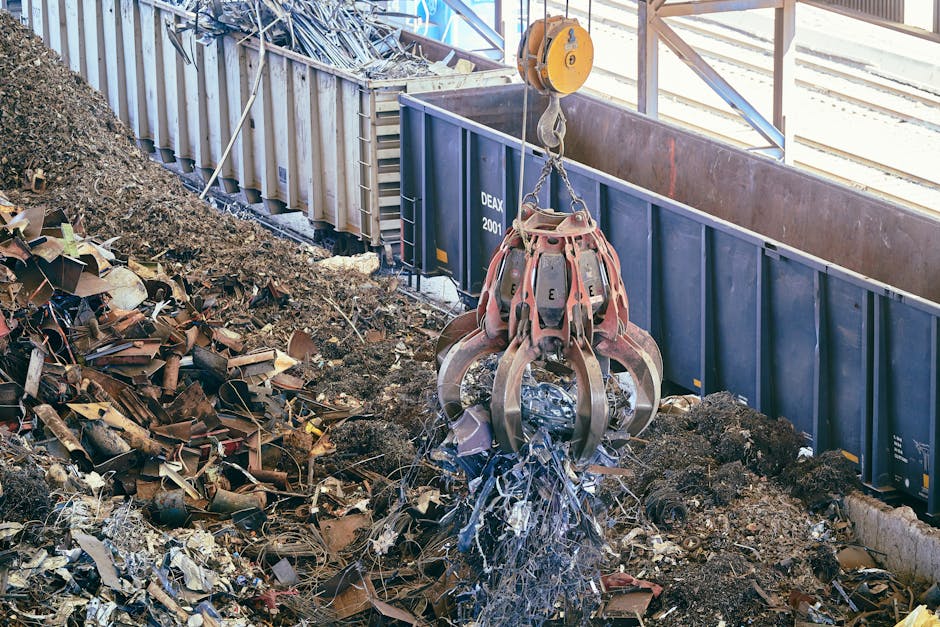

Navigating the complexities of the melting scrap price requires an understanding of how global industrial demand intersects with local Australian logistics. Whether you are a tradesperson, a demolition contractor, or an industrial manufacturer, knowing the value of your secondary materials is essential for operational profitability. As the circular economy gains momentum, the transparency of metal valuation has become a cornerstone of sustainable business practices. In this guide, we explore the mechanics of pricing, the classification of scrap grades, and the environmental imperatives driving the industry toward a more efficient future.
Understanding Market Dynamics and Price Setting
The valuation of scrap metal is rarely static. When you ask, what is the scrap price for metal, you are essentially looking at a snapshot of a highly volatile global market. The primary benchmark for most non-ferrous metals is the London Metal Exchange (LME). However, the price you receive at a local yard is not the LME price; it is the LME price minus the costs of collection, transportation, sorting, cleaning, and eventual smelting.
Market rates are heavily influenced by the manufacturing sector’s demand in Asia, particularly China, which remains the world’s largest consumer of raw and recycled metals. When manufacturing output slows, demand for scrap decreases, leading to lower prices per tonne. Conversely, during periods of infrastructure expansion, the demand for copper, aluminum, and steel spikes, driving up the melting scrap price across the board. Furthermore, currency fluctuations play a significant role. Since metals are traded globally in USD, a weaker Australian dollar can sometimes inflate the local price, providing a buffer for domestic recyclers.
For those looking to plan their long-term inventory disposal, consulting a Scrap Price Forecast Guide is highly recommended. These resources synthesize historical data, geopolitical stability, and industrial output trends to provide a clearer picture of where the market is heading. Understanding these variables ensures that you are not just selling at the current market rate, but timing your sales to maximize return on investment.
The Critical Role of Metal Grades and Purity
Not all scrap is created equal. The value of your material depends heavily on its grade, which is defined by its chemical composition and the level of contamination. In the recycling industry, high-purity metals require less energy to process, making them more valuable to smelters. For instance, clean, bare bright copper wire will always fetch a higher price per kg than copper piping that still contains solder or plastic insulation.
When assessing your scrap, it is important to distinguish between ferrous and non-ferrous materials. Ferrous metals, such as iron and steel, are magnetic and generally trade at a lower price per tonne due to their abundance. Non-ferrous metals, including copper, brass, aluminum, and lead, are non-magnetic and significantly more valuable. If you are dealing with specific alloys, such as high-grade stainless steel, you should refer to a dedicated Stainless Steel Scrap Price index to understand how nickel and chromium content impacts the final offer.
Contamination is the greatest enemy of value. Dirt, oil, plastic, and non-metallic attachments increase the ‘shrinkage’ or ‘loss’ factor during the melting process. Smelters charge recyclers for the energy required to burn off these impurities. Therefore, the more ‘clean’ your scrap is, the closer the payout will be to the actual market rate. Always aim to strip wires and remove non-metallic attachments before heading to the yard to secure the best melting scrap price available.
Current Trends and Future Outlook
As we look toward the future, the integration of technology into the recycling sector is changing how we determine the what is the price of scrap metal. Digital platforms are providing real-time data to sellers, reducing the information asymmetry that once plagued the industry. By utilizing a professional scrap metal trading platform, sellers can access transparent pricing and connect with reputable buyers who adhere to ethical recycling standards.
Looking ahead, the Aluminum Scrap Price In 2026 is expected to be influenced by the transition to electric vehicles and lightweight construction materials. As industries shift away from carbon-intensive primary production, the demand for high-quality recycled aluminum will likely outstrip supply. This scarcity will naturally drive prices upward, rewarding those who invest in sophisticated sorting and processing technologies. Keeping abreast of these trends is essential for any business that generates significant volumes of scrap.
For Australian businesses, the domestic market is also seeing a shift toward localized processing. By keeping more of the recycling value chain within Australia, we reduce the carbon footprint associated with shipping raw scrap overseas. This shift is supported by government initiatives aimed at boosting circular economy practices, which may eventually lead to more stable pricing structures for domestic suppliers.
The Recycling Process: From Yard to Smelter
The journey from your workshop to a finished product is a sophisticated industrial process. Once your scrap is weighed and purchased by a yard, it undergoes a rigorous sorting phase. Advanced technology, such as X-ray fluorescence (XRF) analyzers, is used to determine the exact alloy composition of the scrap. This ensures that the material is correctly categorized, which is vital for the downstream smelting process.
After sorting, the material is shredded or sheared to reduce its volume and increase its surface area. This process, often referred to as ‘densification,’ makes the material easier to transport and more efficient to melt. Shredded scrap is then processed through magnetic separators to remove any remaining ferrous contaminants. The cleaned material is then baled or loaded into bulk containers for transport to refineries or smelters.
At the smelter, the scrap is introduced into a furnace, often alongside virgin ore, to produce new metal ingots. The energy savings from this process are immense. For example, recycling aluminum saves approximately 95% of the energy required to produce the same amount of metal from raw bauxite ore. This efficiency is the primary driver of the scrap metal industry’s economic and environmental value.
Environmental Benefits and Sustainability
The environmental impact of metal recycling cannot be overstated. By choosing to recycle rather than landfill, you are directly contributing to the conservation of finite natural resources. Mining for virgin ore is an energy-intensive process that results in significant habitat destruction, water pollution, and carbon emissions. Every tonne of recycled metal prevents the need to mine and process several tonnes of raw ore.
Furthermore, the recycling industry is a key player in Australia’s commitment to net-zero emissions. By reducing the energy required for metal production, we significantly lower the industrial carbon footprint. When you sell your scrap to a professional metal recycling service, you are supporting a system that keeps hazardous materials out of landfills and ensures that valuable resources remain in the production loop.
Sustainability also extends to the longevity of the materials themselves. Metals like copper and aluminum can be recycled indefinitely without losing their physical properties. This ‘infinite’ recyclability is the gold standard of the circular economy. By participating in this system, you are not just disposing of waste; you are supplying the raw materials for the next generation of infrastructure, technology, and consumer goods.
Practical Tips for Maximizing Scrap Value
To ensure you get the best return on your scrap, preparation is key. Here are several expert tips to help you maximize your payouts:
- Sort your metals: Never mix copper with brass or aluminum. Mixing grades forces the recycler to pay you at the rate of the lowest-value metal in the pile.
- Clean your materials: Remove plastic, wood, rubber, and steel attachments from non-ferrous metals. The cleaner the load, the higher the price per kg.
- Monitor the market: Use online resources to track metal prices today. If the market is trending upward, it may be worth holding onto your scrap for a few extra days.
- Build relationships: If you are a consistent supplier of scrap, talk to your local yard about volume pricing. Many yards offer better rates for regular, high-volume, or pre-sorted deliveries.
- Understand your weight: Use a reliable scale to weigh your scrap before you leave your site. While commercial scales are regulated, having your own estimate helps you verify the yard’s accuracy.
- Safety first: Always wear appropriate personal protective equipment (PPE) when handling scrap, especially when dealing with sharp edges or heavy machinery.
By treating your scrap as a valuable commodity rather than waste, you can transform a disposal cost into a revenue stream. The key is to remain informed, stay organized, and partner with reputable recyclers who value transparency and efficiency.
Conclusion: The Future of Metal Trading
The landscape of the Australian scrap metal industry is evolving rapidly. As we move toward a more sustainable future, the value of recycled materials will continue to rise, driven by both environmental necessity and industrial demand. By understanding the factors that influence the melting scrap price, you are better positioned to make strategic decisions that benefit both your bottom line and the planet.
Whether you are managing a small workshop or a large industrial site, the principles remain the same: sort, clean, and stay informed. By leveraging the data available through modern trading platforms and keeping an eye on global market trends, you can ensure that you are always getting the best possible price for your scrap. The circular economy is not just a buzzword; it is a fundamental shift in how we produce and consume, and your participation is a vital part of that transition.
Frequently Asked Questions
- How often do scrap metal prices change? Scrap metal prices can fluctuate daily, and in some cases, hourly, depending on global market conditions and the volatility of the London Metal Exchange. Factors such as currency exchange rates and shipping costs also play a role in how often local yards adjust their rates.
- What is the most valuable scrap metal to recycle? Generally, copper is the most valuable common scrap metal due to its high demand in electrical and plumbing industries. Other high-value metals include brass, bronze, and certain grades of stainless steel or specialized alloys.
- Does the location of the scrap yard affect the price? Yes, location can influence the price due to logistics and transportation costs. Yards closer to major ports or industrial hubs may offer different rates than those in remote areas, as they have lower overheads related to moving the material to a smelter.
- How can I tell if my scrap is ferrous or non-ferrous? The simplest test is using a magnet. If the magnet sticks to the metal, it is ferrous (iron or steel). If the magnet does not stick, it is likely a non-ferrous metal such as copper, aluminum, brass, or lead, which typically holds a higher market value.
Related: Stainless Steel Scrap Price
Frequently Asked Questions
How often do scrap metal prices change?
Scrap metal prices can fluctuate daily, and in some cases, hourly, depending on global market conditions and the volatility of the London Metal Exchange. Factors such as currency exchange rates and shipping costs also play a role in how often local yards adjust their rates.
What is the most valuable scrap metal to recycle?
Generally, copper is the most valuable common scrap metal due to its high demand in electrical and plumbing industries. Other high-value metals include brass, bronze, and certain grades of stainless steel or specialized alloys.
Does the location of the scrap yard affect the price?
Yes, location can influence the price due to logistics and transportation costs. Yards closer to major ports or industrial hubs may offer different rates than those in remote areas, as they have lower overheads related to moving the material to a smelter.
How can I tell if my scrap is ferrous or non-ferrous?
The simplest test is using a magnet. If the magnet sticks to the metal, it is ferrous (iron or steel). If the magnet does not stick, it is likely a non-ferrous metal such as copper, aluminum, brass, or lead, which typically holds a higher market value.