

The landscape of the Australian resource recovery industry is undergoing a seismic shift, driven by the emergence of online scrap trading. As global supply chains become increasingly digitized, traditional yard-based transactions are being supplemented—and often replaced—by sophisticated digital marketplaces. This transition is not merely about convenience; it is about creating a transparent, efficient, and high-volume ecosystem that allows businesses to optimize their waste management and procurement strategies. Whether you are a demolition contractor looking to dispose of structural steel or a manufacturer seeking high-grade copper, understanding the mechanics of online scrap metal trading is essential for maintaining a competitive edge in today’s circular economy.
Understanding the Fundamentals of Metal Grades
To participate effectively in the market, one must first understand the classification of scrap metal. Metal is not a commodity that is bought and sold in a vacuum; it is graded based on purity, chemical composition, and physical form. In Australia, the industry follows strict standards, often aligning with ISRI (Institute of Scrap Recycling Industries) specifications. Ferrous metals, such as iron and steel, are primarily graded by density and contamination levels. For instance, ‘Heavy Melting Steel’ (HMS) is a primary grade that commands higher prices due to its suitability for furnace charging. In contrast, ‘Light Gauge’ or ‘Thin’ scrap requires significant processing, often resulting in lower margins.
Non-ferrous metals, including copper, aluminium, brass, and stainless steel, represent the highest value segment of the market. Copper is perhaps the most scrutinized, with grades ranging from ‘Bright and Shiny’ (Number 1 copper wire) to ‘Burnt’ or ‘Insulated’ varieties. The precision required in identifying these grades is where a professional B2B Scrap Trading Platform becomes invaluable. By providing standardized grading definitions and digital verification tools, these platforms remove the ambiguity that often plagues traditional, manual-based scrap transactions.
The Mechanics of Modern Scrap Recycling
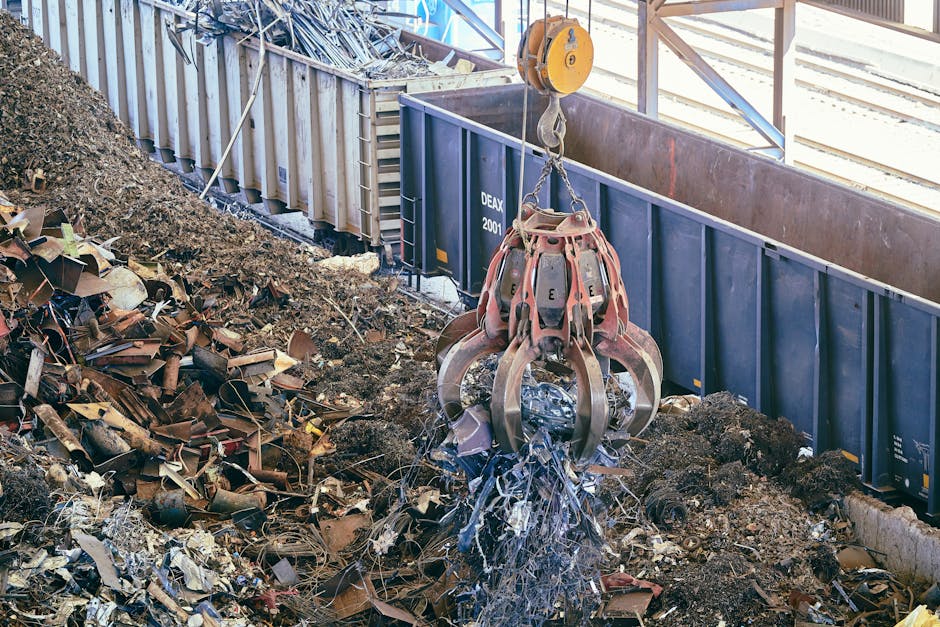
Recycling is a complex industrial process that transforms discarded metal into raw material for new production. The journey begins at the collection point, where scrap is sorted, sheared, and baled. In the modern era, this process is increasingly data-driven. When you engage in scrap online sale, you are not just selling a pile of metal; you are contributing to a streamlined supply chain where the destination of every tonne is tracked and optimized.
Once the scrap is processed, it is transported to mills or foundries. Here, the metal is melted down, purified, and cast into ingots or billets. This process consumes significantly less energy than refining virgin ore. For example, recycling aluminium saves approximately 95% of the energy required to produce primary aluminium from bauxite. By utilizing a Online Scrap Auction, sellers can ensure their material reaches the facility that is best equipped to process it, thereby reducing the carbon footprint associated with long-haul transportation and inefficient smelting.
Why the Digital Shift is Essential for Australia
The transition to digital platforms is not a trend; it is a necessity for the Australian scrap industry. Why Scrap Trade Online Is Growing is a question often answered by the need for price transparency and operational efficiency. Historically, scrap pricing was opaque, often dictated by local yard owners with little visibility into global commodity markets. Digital platforms democratize this information, providing real-time data on LME (London Metal Exchange) trends and local supply-demand dynamics.
Furthermore, digital platforms provide a layer of security and compliance that is difficult to achieve offline. With stringent environmental regulations in Australia, such as the National Environment Protection Measures (NEPM), businesses must ensure their waste is handled by licensed, reputable operators. Digital platforms act as a vetting layer, ensuring that only verified entities participate in the trade. For more information on how we facilitate these connections, visit our central scrap trading hub or explore our specific regional resources at our Australian-focused scrap portal.
Environmental Benefits of Circular Metal Economy
The environmental imperative for scrap recycling cannot be overstated. Metal is infinitely recyclable, meaning it can be melted down and reformed without losing its inherent properties. By keeping metal in the circular economy, we reduce the need for destructive mining practices. Mining for virgin ore involves land clearing, water contamination, and massive energy consumption. Every tonne of scrap traded and recycled is a tonne of virgin ore that remains in the ground.
Moreover, the logistics of online trading allow for ‘route optimization.’ By matching buyers and sellers based on geographic proximity, digital platforms significantly reduce the emissions generated by heavy vehicle transport. This is a critical component of Australia’s commitment to net-zero targets. When businesses prioritize online trading, they are not just making a financial decision; they are making an environmental one that supports sustainable industrial growth.
Navigating the Online Scrap Marketplace
Entering the digital scrap market requires a strategic approach. First, identify your volumes and the consistency of your scrap production. Large-scale industrial producers should look for platforms that offer long-term contract management and automated logistics. Smaller businesses, meanwhile, may benefit from spot-market auctions that allow for quick liquidation of inventory.
When listing your scrap, accuracy is paramount. Provide clear photographs, accurate weight estimations, and detailed descriptions of any potential contaminants. Transparency builds trust, and in the digital world, your reputation score is your most valuable currency. Ensure that you are familiar with the payment terms and logistics responsibilities before finalizing any trade. Most professional platforms provide escrow services to protect both the buyer and the seller, ensuring that funds are released only upon verification of the material.
The Future of Global Scrap Trading
Looking ahead, the integration of blockchain and IoT (Internet of Things) into the scrap industry will further revolutionize the sector. Imagine a world where a piece of scrap metal is tagged with a digital passport, tracking its origin, alloy composition, and carbon history from the moment it is discarded until it is reborn as a new product. This level of traceability will be the next frontier in the industry, making the current model of online scrap trading seem like only the beginning.
As Australia continues to position itself as a leader in sustainable resource management, the role of digital platforms will only grow. Businesses that adopt these technologies today will be the ones that thrive in a future where resource efficiency is the primary metric of success. The shift toward digital is inevitable, and the benefits—ranging from higher margins to reduced environmental impact—are clear for those willing to embrace the change.
Practical Tips for Maximizing Scrap Value
To maximize your returns, consider these expert tips: 1. Segregate your materials at the source. Mixing high-value copper with low-value steel drastically reduces the overall price. 2. Keep your scrap clean. Remove plastic, rubber, and other non-metallic attachments. 3. Monitor market trends. Use the analytics tools provided by trading platforms to sell when prices are peaking. 4. Build long-term relationships. While spot trades are useful, establishing a consistent supply relationship with a reputable buyer often leads to better service and priority handling. 5. Leverage technology. Use mobile apps to track your shipments and receive instant notifications on price changes. By following these practices, you transform your scrap from a waste management headache into a reliable revenue stream.
Conclusion: Embracing the Digital Transformation
The evolution of the scrap industry is a testament to the power of technology to solve complex logistical and environmental challenges. Online scrap trading is the cornerstone of this evolution, providing the tools necessary to build a more sustainable, efficient, and profitable future. Whether you are a small business owner or a large industrial conglomerate, the path forward is clear: embrace the digital marketplace to unlock the true value of your scrap. By integrating these platforms into your operations, you contribute to a global movement that values resources, respects the environment, and drives economic prosperity. The future of the scrap industry is online, and the time to participate is now.
Frequently Asked Questions
What is the primary benefit of using an online scrap trading platform?
The primary benefit is price transparency and increased efficiency. These platforms connect sellers directly with a broader network of verified buyers, ensuring competitive market rates and streamlined logistics.
How do I ensure my scrap metal is graded correctly?
You should use standardized industry definitions, such as ISRI specifications. Most professional trading platforms provide detailed grade guides and verification tools to help you accurately categorize your material.
Is it safer to trade scrap online compared to traditional methods?
Yes, reputable online platforms offer secure payment systems, such as escrow, and vet all participants. This reduces the risk of fraud and ensures compliance with environmental regulations.
How does recycling scrap metal benefit the environment?
Recycling scrap metal significantly reduces the energy required to produce new products compared to mining virgin ore. It also prevents waste from entering landfills and conserves natural resources.