
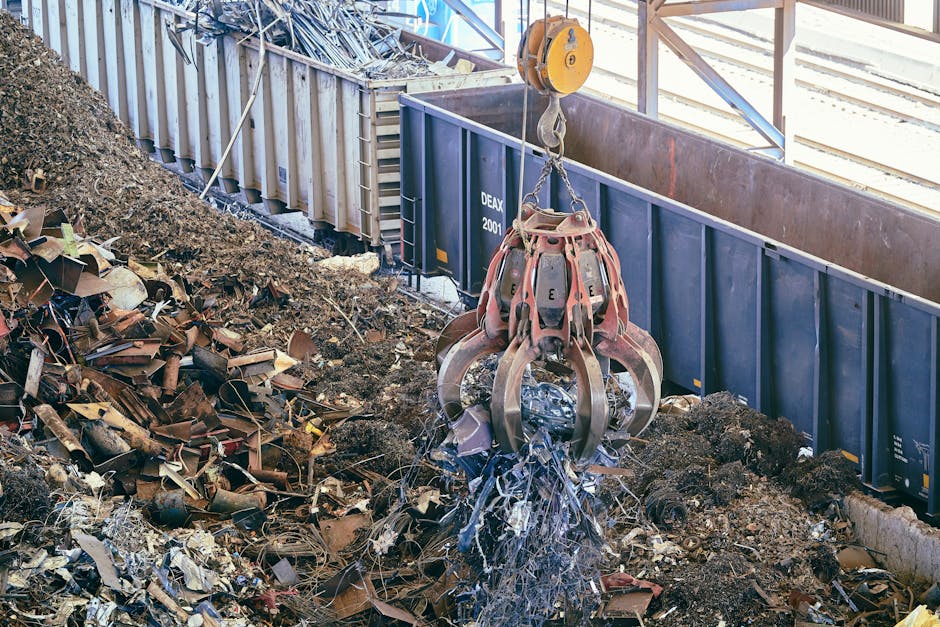

The online scrap market has fundamentally transformed how businesses and individuals manage industrial waste in Australia. By moving away from traditional, opaque brokerage models, the industry is now embracing digital platforms to ensure fair market value and efficient logistics. Whether you are a demolition contractor, a manufacturing plant, or a recycling facility, understanding the mechanics of the online scrap market is essential for maximizing ROI and ensuring compliance with environmental standards.
The Evolution of the Online Scrap Market
Historically, the scrap metal industry was characterized by fragmented, localized relationships. Sellers often lacked visibility into global pricing, leading to significant margin leakage. Today, Why Scrap Sellers Are Moving Online is a question of efficiency and scale. Digital platforms provide real-time data, allowing sellers to compare bids across multiple buyers simultaneously. This transparency is the cornerstone of the modern online scrap market, ensuring that the true value of high-grade materials like copper, aluminum, and stainless steel is recognized.
Furthermore, the digital shift is not just about price discovery; it is about logistics optimization. By utilizing advanced software, traders can track shipments, verify weights via digital scales, and manage documentation compliance in one centralized location. This shift is why Why Scrap Trade Online Is Growing so rapidly in the Australian sector, as stakeholders look to reduce the carbon footprint of their logistical operations while improving bottom-line performance.
Understanding Scrap Metal Grades and Classification
Proper classification is the most critical step in the recycling process. In Australia, the scrap industry follows strict international standards to ensure that smelters receive the exact purity levels required for secondary production. Understanding these grades is vital for anyone participating in a scrap online sale.
- Copper Grades: Often classified as ‘Bright and Shiny’ (Grade 1) or ‘Burnt’ (Grade 2). Grade 1 refers to bare, unalloyed wire that is free of oxidation. Grade 2 includes copper that has been exposed to the elements or contains minor impurities.
- Aluminum Grades: Common categories include ‘Extrusion’ (6063 alloy) and ‘Cast Aluminum’. Extrusion is highly sought after for its purity, while cast aluminum often contains higher levels of silicon, requiring different processing methods.
- Ferrous Metals: These include steel and iron. ‘Heavy Melting Steel’ (HMS) is a primary category, often split into HMS 1 (thicker, no contaminants) and HMS 2 (thinner, potentially galvanized).
- Stainless Steel: Grades like 304 and 316 are standard. The presence of nickel and chromium determines the premium price, making accurate testing with XRF analyzers a standard practice in the industry.
For those looking to expand their knowledge beyond local borders, comparing these standards with international markets—such as the uae scrap market—can provide valuable insights into global demand trends and how Australian scrap fits into the international supply chain.
How the Recycling Process Works
The recycling journey begins with collection and segregation. At the source, scrap must be kept free of contaminants like plastic, rubber, or hazardous materials. Once collected, the material is transported to a processing facility where it undergoes rigorous sorting. This is where the Online Scrap Auction model often plays a role, as recyclers bid on batches of sorted material to feed their furnaces.
Processing involves several stages: shredding (to increase surface area for melting), shearing (for large structural steel), and bailing (to compress material for efficient transport). Magnetic separation is used to extract ferrous metals, while eddy current separators are employed to isolate non-ferrous metals like aluminum. Finally, the material is melted in furnaces, cast into ingots or billets, and sold back to manufacturers to be turned into new products. This circular economy is what makes the industry so vital to Australia’s sustainable future.
Environmental Benefits of Scrap Recycling
The environmental impact of recycling metal is profound. Producing steel from scrap consumes approximately 75% less energy than producing it from virgin iron ore. For aluminum, the savings are even more dramatic, with recycling requiring up to 95% less energy than primary production. This energy efficiency leads to a massive reduction in greenhouse gas emissions, directly contributing to Australia’s net-zero targets.
Moreover, recycling scrap metal prevents millions of tonnes of waste from ending up in landfills. Landfill waste leaches heavy metals and chemicals into groundwater, posing a long-term risk to local ecosystems. By participating in a professional Australian scrap metal trading platform, businesses ensure their waste is processed in facilities that adhere to strict environmental regulations, including proper filtration of emissions during the smelting process.
Logistics and Compliance in the Digital Age
Logistics represents one of the largest costs in the scrap metal supply chain. Moving heavy, low-value material requires precise route planning and load optimization. Modern digital platforms allow users to integrate with transport providers, ensuring that trucks are never running empty—a concept known as ‘backhauling’. This not only lowers costs but also reduces the carbon footprint per tonne of metal moved.
Compliance is equally important. In Australia, the scrap industry is subject to the ‘Cash for Scrap’ laws, which require strict record-keeping and identity verification to prevent the trade of stolen goods. Digital platforms automate this compliance, generating audit trails for every transaction. This ensures that when you use a leading scrap metal marketplace, you are operating within the legal framework, protecting your business from the risks associated with illicit trade.
Practical Tips for Maximizing Scrap Value
To get the best price for your scrap, preparation is key. First, always segregate your metals. Mixing copper with steel can downgrade the entire batch to the price of the cheapest component. Second, remove attachments. A motor with a copper winding is worth more if the steel housing is removed, provided the labor cost of separation is lower than the price premium gained. Third, keep your scrap clean. Contamination with oil, dirt, or insulation can cause a buyer to reject a load or offer a lower grade price.
Finally, monitor market trends. Metal prices are volatile and influenced by global events, currency fluctuations, and industrial demand in manufacturing hubs like China and India. By using the analytical tools provided by modern online scrap market platforms, you can time your sales to coincide with market peaks, significantly improving your annual revenue.
The Future of Global Metal Trading
The intersection of technology and commodities is only just beginning. We are seeing the integration of blockchain for supply chain transparency, allowing buyers to trace the origin of their scrap metal to ensure it is sourced ethically and sustainably. This ‘green steel’ movement is driving demand for high-quality, pre-sorted scrap, as manufacturers look to lower the embodied carbon in their finished products.
As Australia continues to position itself as a reliable supplier in the global market, the digital infrastructure supporting these trades will become more sophisticated. Real-time bidding, automated grading via AI-powered cameras, and integrated carbon reporting are the next frontiers. For companies that embrace these changes now, the benefits will be substantial, ranging from operational efficiency to improved environmental credentials.
Conclusion
The online scrap market represents a vital shift toward a more transparent, efficient, and sustainable future for the Australian metal industry. By leveraging digital platforms, businesses can optimize their recycling processes, ensure regulatory compliance, and maximize the financial return on their scrap assets. Whether you are a small business or a large industrial operator, the path to success lies in understanding the grades, managing logistics with precision, and choosing the right digital partners to facilitate your trades. As we move toward a circular economy, the role of scrap metal in reducing our environmental footprint cannot be overstated. Start your journey today by engaging with reputable digital marketplaces that prioritize transparency and professional standards.
Frequently Asked Questions
What is the most important factor in getting the best price for scrap metal?
The most important factor is proper segregation. Keeping different types and grades of metal separate prevents contamination and ensures you are paid for the highest-value material in your batch.
How does an online scrap market improve transparency?
Online platforms provide real-time price data and competitive bidding, allowing sellers to see the true market value of their materials rather than relying on a single, opaque quote from a local dealer.
Why is it important to comply with ‘Cash for Scrap’ laws in Australia?
Compliance is mandatory to prevent the trade of stolen goods and to maintain the integrity of the recycling industry. Digital platforms help automate the necessary record-keeping and identity verification required by law.
Does recycling scrap metal really help the environment?
Yes, recycling metal is significantly more energy-efficient than producing virgin metal from ore. It saves vast amounts of electricity, reduces greenhouse gas emissions, and keeps hazardous materials out of landfills.