

Understanding the nuances of the scrap tral industry is essential for businesses and individuals looking to participate in the circular economy. Whether you are a construction firm managing site waste or a household looking to clear out unwanted items, navigating the complex world of metal recycling requires a solid grasp of market grades, processing methods, and the environmental imperatives driving the industry today. By engaging with a professional scrap metal trading platform, you can ensure that your materials are handled efficiently and sustainably.
What Is Scrap Trade and Why It Matters
To truly understand the industry, one must first ask What Is Scrap Trade? At its core, it is the global marketplace for recovering and reprocessing metals that have reached the end of their lifecycle. Metals are unique in the world of materials because they can be recycled infinitely without losing their inherent properties. This makes the Australian metal recycling industry a cornerstone of sustainable development. When we talk about scrap tral, we are referring to the entire value chain—from collection and sorting to smelting and re-manufacturing. This sector is not merely about waste management; it is a critical supply chain component that feeds high-quality raw materials back into the manufacturing sector, reducing the reliance on energy-intensive virgin ore mining.
Categorizing Metal Grades: Ferrous vs. Non-Ferrous
The success of any recycling operation hinges on accurate grading. Metals are broadly categorized into two main groups: ferrous and non-ferrous. Ferrous metals contain iron and are generally magnetic. This category includes steel, iron, and stainless steel. Because of their abundance, ferrous metals are the most commonly recycled materials in the world. Conversely, non-ferrous metals—such as aluminium, copper, lead, zinc, and nickel—are highly prized for their corrosion resistance and conductivity. These metals are non-magnetic and often command higher market prices due to their scarcity and the energy required to extract them from raw ore. When you decide to Sell Scrap, knowing the difference between these categories is the first step in maximizing your return. High-grade copper, for instance, is a commodity that fluctuates in price based on global demand, whereas bulk steel prices are more stable but dependent on volume.
The Mechanics of Metal Recycling
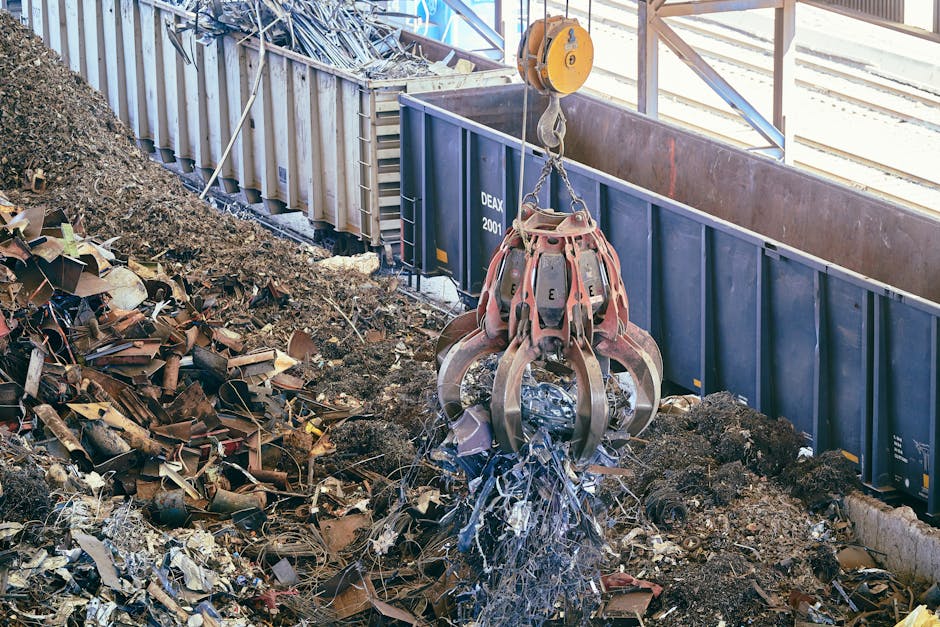
The recycling process is a sophisticated industrial operation. It begins with collection, where scrap is gathered from demolition sites, manufacturing facilities, and municipal collection points. Once the material reaches a scrap shop, it undergoes a rigorous sorting process. Advanced facilities use magnetic separators, eddy current separators for non-ferrous metals, and X-ray fluorescence (XRF) technology to determine the exact chemical composition of the alloy. Once sorted, the material is shredded or sheared into smaller pieces to increase its surface area, making it easier to melt. The final stage is smelting, where the metal is heated in furnaces to produce high-purity ingots or billets, which are then sold back to manufacturers to create new products. This closed-loop system is the backbone of modern industrial sustainability.
Environmental Benefits of Scrap Recycling
The environmental impact of recycling is profound. Mining virgin ores is an incredibly destructive process that involves massive deforestation, soil erosion, and the release of toxic chemicals into local water tables. By contrast, recycling scrap tral materials requires significantly less energy. For example, recycling aluminium saves approximately 95% of the energy required to produce the same amount of aluminium from bauxite ore. Furthermore, the carbon footprint associated with recycling is a fraction of that of primary production. By keeping metals in the economy, we reduce the need for landfills and decrease the demand for energy-intensive mining, directly contributing to Australia’s climate goals and protecting our unique biodiversity.
How to Get Started: Where Can I Sell Scrap?
If you are wondering where can i sell scrap, you are likely looking for a partner that offers transparency, fair pricing, and efficient logistics. The market is vast, and finding a reputable buyer is crucial. You should look for facilities that provide certified weighing, clear pricing structures, and adherence to environmental regulations. Whether you have a small pile of copper wiring or tons of industrial steel, professional scrap metal traders provide the infrastructure to handle your material correctly. It is always recommended to clean your scrap before selling; removing non-metallic attachments like plastic, rubber, or wood will significantly increase the purity of your load and, consequently, the price you receive per kilogram.
The Economics of Scrap: Market Trends
The scrap metal market is sensitive to global economic trends. When construction activity is high, demand for steel and copper spikes, leading to higher prices. Conversely, global economic downturns can lead to a softening in demand. However, the long-term trend for the recycling industry is growth. As the world moves toward a more circular economy, the demand for recycled content in manufacturing is increasing. Governments are implementing stricter regulations on waste, and manufacturers are under pressure to reduce their carbon footprints. This shift makes the scrap metal industry an increasingly vital part of the Australian economy. Investors and businesses that understand these cycles can better manage their inventory and timing for selling scrap.
Best Practices for Scrap Collection and Storage
Efficiency in the scrap trade starts on-site. If you are a contractor or a business owner, implementing a proper waste segregation strategy will save you time and money. Use designated bins for different types of metals—separate your copper from your aluminium, and keep your ferrous metals away from your non-ferrous materials. Contamination is the biggest enemy of value in the scrap industry. A load of aluminium contaminated with steel is worth significantly less than a clean load of pure aluminium. By investing in proper storage and training your team on segregation, you ensure that your scrap is ready for immediate processing, which often leads to better negotiation power with your scrap dealer.
Future Innovations in Metal Recovery
The future of the scrap industry lies in technology. We are seeing the emergence of AI-driven sorting robots that can identify and separate metals with superhuman speed and accuracy. Additionally, advancements in hydrometallurgical processing are allowing us to recover metals from complex electronics and batteries that were previously impossible to recycle. These innovations are critical as we transition to a greener economy, particularly with the rise of electric vehicles and renewable energy infrastructure. As a participant in this industry, staying informed about these technological shifts will help you stay ahead of the curve and maximize the value of your materials.
Conclusion: Embracing the Circular Economy
The scrap metal industry is far more than a simple trade of waste; it is a sophisticated, essential sector that drives economic value and environmental preservation. By understanding the grades, the recycling process, and the market dynamics, you can play an active role in the circular economy. Whether you are an individual or a large-scale industrial operator, your contribution to the recycling loop matters. By choosing to recycle, you are helping to conserve natural resources, save energy, and reduce the environmental burden of our modern lifestyle. Always aim to work with transparent, professional partners who value sustainability as much as you do.
Related: Scrap
Frequently Asked Questions
What is the difference between ferrous and non-ferrous scrap?
Ferrous metals contain iron and are magnetic, such as steel and iron. Non-ferrous metals do not contain iron, are non-magnetic, and include valuable materials like copper, aluminium, and brass.
How can I get the best price for my scrap metal?
To get the best price, ensure your scrap is clean and sorted by metal type. Removing non-metallic attachments like plastic or wood significantly increases the purity and value of your load.
Why is recycling scrap metal better for the environment?
Recycling metal consumes significantly less energy than extracting virgin ore through mining. It also reduces landfill waste and lowers greenhouse gas emissions associated with primary metal production.
Is it worth recycling small amounts of scrap?
Yes, even small amounts of high-value metals like copper or brass are worth recycling. While individual quantities may seem minor, consistent recycling contributes to resource conservation and keeps materials out of landfills.