
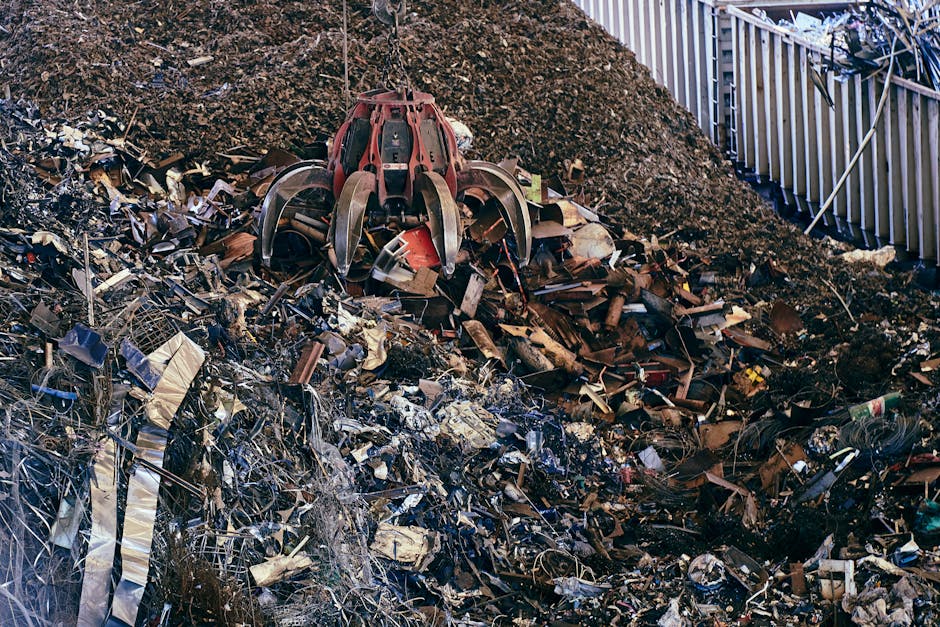

Navigating the market for scraps for sale requires a deep understanding of material grades, market volatility, and the logistics of industrial waste management. Whether you are a manufacturing facility looking to optimize your waste stream or a buyer seeking high-quality raw materials, the secondary metal market is a pillar of the circular economy. In Australia, the recycling industry has evolved from simple scrap collection into a sophisticated sector that powers domestic manufacturing and international trade. By leveraging professional platforms like Scrap Trade, businesses can ensure transparency and efficiency in their transactions.
Understanding Metal Grades and Classification
The value of metal is dictated by its purity, chemical composition, and physical state. In the scrap industry, materials are categorized into ferrous and non-ferrous groups. Ferrous metals, such as iron and steel, are magnetic and are primarily used in construction and heavy industry. Non-ferrous metals, including copper, aluminium, brass, and stainless steel, are highly prized for their conductivity, corrosion resistance, and infinite recyclability. When you browse metal scraps for sale, you are likely looking at processed materials that have been sorted to meet international standards such as ISRI (Institute of Scrap Recycling Industries) specifications.
For businesses generating large quantities of waste, understanding the grading process is critical. A clean, homogenous load of copper wire will always fetch a higher price than mixed, contaminated electrical cables. Proper segregation at the source—the factory floor—prevents downgrading and ensures that your scraps maintain their market value. This is why implementing a robust Warehouse Clearance Scrap Sale Strategy is essential for any facility manager aiming to maximize revenue from byproduct materials.
The Mechanics of Industrial Metal Recycling
The recycling process is a sophisticated industrial operation that transforms raw waste into high-grade secondary raw materials. It begins with collection and transportation, followed by precise sorting. Modern facilities utilize advanced technology, including X-ray fluorescence (XRF) analyzers, to verify the chemical composition of metals instantly. Once sorted, the scrap is shredded, baled, or sheared to reduce volume for efficient transport to smelters. For companies looking to offload large inventories, understanding Company Scrap For Sale How Businesses Can Sell Industrial Scrap Efficiently is the first step toward turning a waste liability into a profitable asset.
The Australian metal recycling sector is highly regulated to ensure environmental safety and worker protection. By choosing to work with certified recyclers, businesses ensure that their scrap is processed according to strict environmental standards. If your organization is undergoing a transition, such as a facility shutdown, utilizing a Business Closure Scrap Sale Where To Liquidate Industrial Scrap Fast service can ensure that all assets are handled responsibly while adhering to strict timelines.
Environmental and Economic Benefits
The environmental case for metal recycling is indisputable. Producing new metal from virgin ore requires significant energy, often involving destructive mining practices and high carbon emissions. By contrast, recycling aluminium, for instance, saves up to 95% of the energy required to produce the same amount of metal from bauxite ore. This energy saving directly translates to a lower carbon footprint for the manufacturing sector. Furthermore, the metal recycling industry in Australia supports thousands of jobs, from logistics and engineering to advanced material processing.
Economic benefits are equally compelling. When companies incorporate recycled materials into their production cycles, they reduce their reliance on volatile commodity markets. The use of secondary raw materials stabilizes supply chains and provides a buffer against the price fluctuations of primary metals. As more industries commit to ESG (Environmental, Social, and Governance) targets, the demand for certified recycled scrap is expected to surge, further incentivizing businesses to adopt sustainable waste management practices. For those seeking professional guidance, Scrap Trade Australia provides the necessary expertise to navigate these complex market dynamics.
Logistics and Supply Chain Management
Effective scrap management is as much about logistics as it is about material quality. Transporting heavy metal loads requires specialized equipment and careful route planning to minimize costs and carbon emissions. In Australia, the vast distances between industrial hubs and processing centers necessitate a highly efficient supply chain. Companies that integrate their scrap sales with their logistics operations often see significant improvements in their bottom line. This involves coordinating pick-ups with regular freight schedules and ensuring that loading docks are optimized for fast turnaround times.
Furthermore, the documentation of scrap sales is vital for compliance and auditing. Accurate records of material weight, grade, and destination are required for environmental reporting. By utilizing digital platforms for tracking and trading, businesses can maintain a clear audit trail, which is increasingly important for companies aiming for carbon neutrality or circular economy certifications. Digital transformation in the scrap industry has made it easier than ever to list scraps for sale and connect with verified buyers across the continent.
Best Practices for Selling Industrial Scrap
To get the best price for your industrial scrap, preparation is key. First, ensure that your scrap is free from hazardous contaminants like oil, rubber, or plastic. While some level of contamination is inevitable in heavy industrial environments, pre-sorting significantly increases the value of the material. Second, establish a relationship with a reputable buyer who understands your specific industry. Whether you are dealing with aerospace alloys, automotive components, or construction steel, having a specialized buyer ensures that you receive fair market value based on the specific alloy composition.
Third, monitor market trends. Metal prices fluctuate daily based on global supply and demand, currency exchange rates, and geopolitical events. While you cannot control these factors, you can time your sales to coincide with market peaks. Many successful firms implement a rolling sale strategy, where they sell a portion of their scrap inventory at regular intervals to smooth out the impact of price volatility. This proactive approach to scrap management turns a once-ignored waste stream into a predictable revenue source.
Future Trends in the Scrap Metal Industry
The future of the scrap industry is inextricably linked to technological innovation. We are seeing the rise of AI-driven sorting systems that can identify and separate different alloys with near-perfect accuracy. These systems reduce the need for manual labour and improve the quality of the final product, making recycled metal even more attractive to manufacturers. Additionally, blockchain technology is being explored to provide transparent, immutable records of a metal’s origin, which is crucial for industries that require high-purity materials with verified provenance.
As Australia continues to shift toward a more sustainable economy, the focus on ‘urban mining’—the process of recovering valuable metals from end-of-life products—will only intensify. This shift is driving investment in new recycling technologies and infrastructure, ensuring that Australia remains a leader in the global secondary metal market. By staying informed and adopting these new technologies, businesses can ensure they remain competitive and sustainable in the long term. The availability of scraps for sale will continue to be a vital component of this industrial evolution, providing the building blocks for a greener, more resilient manufacturing sector.
Conclusion
The metal recycling industry is a cornerstone of global industrial health and environmental sustainability. By understanding the intricacies of material grades, the logistics of scrap management, and the economic benefits of recycling, businesses can turn their waste into a strategic asset. Whether you are looking to sell industrial scrap or source high-quality materials, the key is to work with professional platforms that value transparency and efficiency. As we look toward a future where circularity is the norm, the role of scrap trading will only become more prominent, driving innovation and fostering a more sustainable manufacturing landscape for all.
Frequently Asked Questions
What are the primary factors that determine the price of scrap metal?
The price is primarily determined by the metal’s purity, its current market grade, and global commodity demand. Factors such as the presence of contaminants and the cost of logistics also play a significant role in the final valuation.
How can I ensure my industrial scrap is sold at the best possible price?
Maximize your revenue by properly segregating metals at the source to prevent contamination and by maintaining consistent records of your material grades. Engaging with a reputable trading platform ensures you reach a wider network of buyers and receive competitive market pricing.
Why is recycling scrap metal better for the environment than mining new ore?
Recycling metal significantly reduces the energy consumption and greenhouse gas emissions associated with mining, crushing, and smelting virgin ore. It also preserves natural landscapes and reduces the waste sent to landfills.
What is the difference between ferrous and non-ferrous scrap?
Ferrous metals contain iron, are magnetic, and are common in construction and steel products. Non-ferrous metals, such as copper, aluminium, and lead, do not contain iron, are non-magnetic, and are highly valued for their specific chemical and physical properties.